Review and specifications
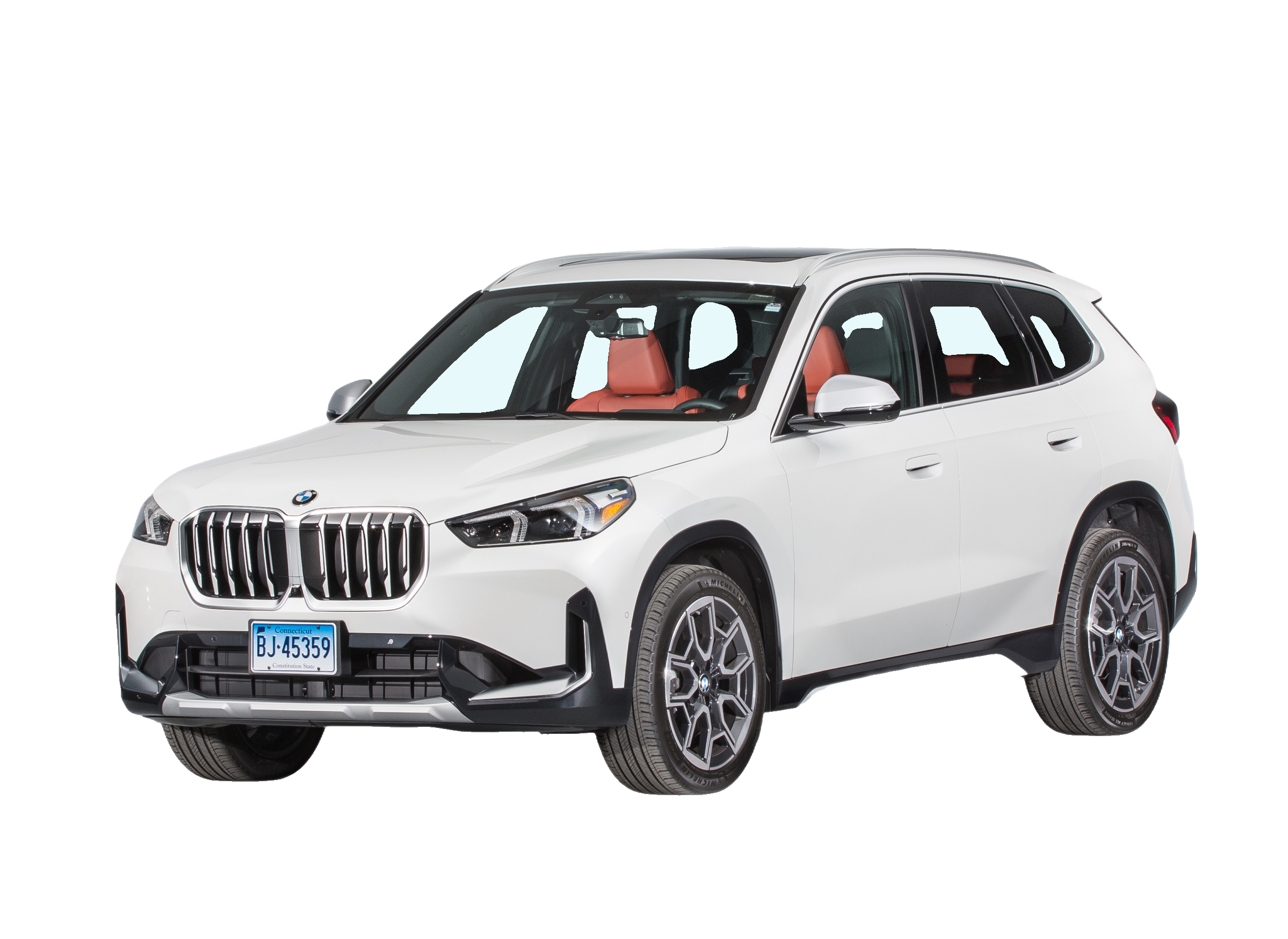
2022 BMW X1
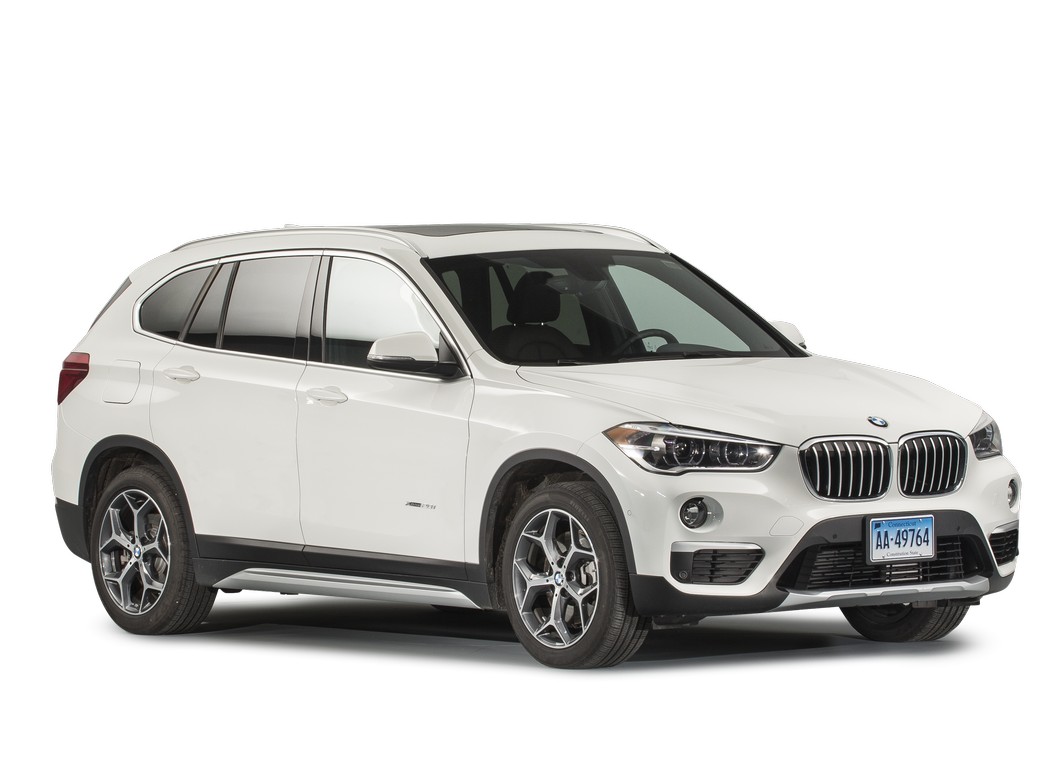
The X1 is a compact five-seat SUV smaller than the X3. The base 240-hp, turbocharged four-cylinder, mated to an eight-speed automatic, provides quick acceleration, and is available with rear- or all-wheel drive. The 3.0-liter, 300-hp turbocharged six-cylinder gets a six-speed automatic. Based on the previous-generation 3 Series (2006-2011), the X1 feels quite sporty to drive, but ride comfort is on the stiff side and the sharp and communicative steering feels heavy at low speeds. Noise isolation and interior quality are a notch below BMW's high standards but still decent. BMW totally reimagined the X1 for 2016. Larger and roomier, it moved to a new front-wheel-drive-based platform shared with the Mini Clubman. Even though the drivetrain remains as a 2.0-liter turbocharged four-cylinder and eight-speed automatic, both are new designs. This powertrain returned 26 mpg overall. Although capable and responsive, ride and handling are more ordinary than sporty. Road noise is rather noticeable. The interior is typical BMW, with high-quality materials and switchgear. The front seats are rather short and flat, however, while rear-seat passengers hit their shins against the backs for the front seats. The 2020 model got a mild freshening that included an electronic gear selector.
- Market value
- $19,888
- Fuel
- Conventional
- Transmission
- Automatic
- Seats
- 5
At a glance
Model data
Overview
- Powertrain
- Conventional
- Body style
- 4-door SUV
- Drive type
- AWD
- Transmission
- Automatic, 8-speed
- Category
- Luxury entry-level SUVs
- Generation began
- 2016
Pricing
- Current retail median
- $19,888
- Retail value range
- $18,850 - $20,925
- Original MSRP range
- $35,400 - $37,400
- Trade-in range
- $16,405 - $18,520
Ratings
- Road test score
- 74/100
Fuel economy
- EPA city
- 22 MPG
- EPA highway
- 31 MPG
- EPA combined
- 25 MPG
- Tested city
- 17 MPG
- Tested highway
- 37 MPG
- Tested overall
- 26 MPG
- Annual fuel cost
- $1,870
- Cruising range
- 420 miles
Road tests
- 0-30 mph
- 3.5 sec
- 0-60 mph
- 7.9 sec
- 60-0 mph braking
- 134 ft
- Avoidance speed
- 53 mph
- Test status
- Test Completed
Dimensions
- Length
- 175 in
- Width
- 72 in
- Height
- 63 in
- Wheelbase
- 105 in
- Weight
- 3,725 lb
- Maximum load
- 900 lb
- Towing capacity
- 0 lb
Interior
- Seating
- 5 people
- Front head room
- 4 in
- Front leg room
- 40 in
- Rear head room
- 3.5 in
- Rear leg room
- 26.5 in
- Cargo volume
- 27 cu ft
Environmental impact
- Air pollution score
- 7/10
- Greenhouse gas score
- 5/10
- SmartWay
- No
Brand context
About BMW
BMW’s sedans and SUVs regularly earn CR’s recommendations for packing industry-leading comfort and technology into vehicles that are agile, quick, and even fuel efficient. Among luxury brands like Lexus, Mercedes-Benz, Lincoln, and Land Rover, BMW’s SUVs often rank near the top of their category. Models like the X5 are remarkable for having powertrains that accelerate quickly while also managing above-average fuel efficiency. Some BMWs can be bought as plug-in hybrids, with useful electric-only range, or in performance trims, with more powerful engines and stiffer suspensions. BMW’s growing roster of EVs also generally rank high in our tests. Like most luxury cars from European manufacturers, BMWs fall on the expensive side of our assessments of maintenance and repair costs, but some specific models are a good option to buy used. However, shoppers considering a preowned BMW should opt for warranties or budget for repairs.
Vehicle ID: 22886 First published: November 18, 2021 Updated: June 4, 2026
Values may vary by trim, options, location, and market conditions.
Keep comparing