
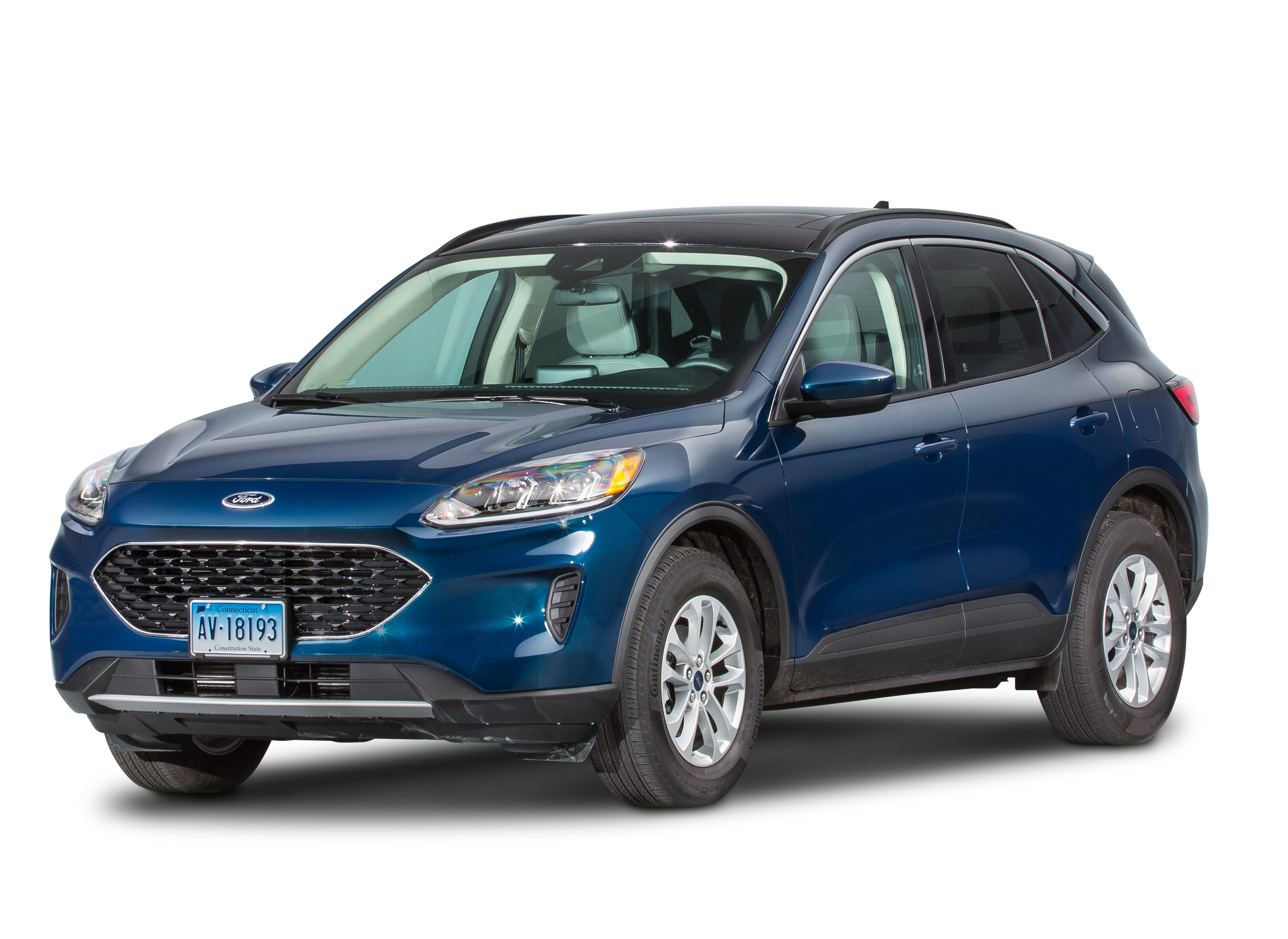
Review and specifications
2024 Ford Escape
The redesigned 2020 Escape has curvier styling compared to the previous version, as well as new drivetrains, and standard advanced safety features. The standard 1.5-liter turbo three-cylinder engine returned 26 mpg overall in our tests. Although it provides sufficient oomph, the engine transmits an annoying vibration at low engine speeds. The optional 2.0-liter turbo four-cylinder is more powerful and smooth. Hybrid and plug-in hybrid versions are also available. The ride has an underlying firmness. Handling is quite nimble and secure. But the brake pedal is oversensitive. Controls, including the rotary gear selector, are easy to use. The front seats are a bit flat, but the rear seat is quite roomy when set to the rearmost position. Updates for 2021 include adaptive cruise control, a convenience feature, now available on the SE and SEL trim levels. A hands-free foot-activated liftgate is now included in the Technology package and standard on Titanium. For 2023, Ford refreshed the Escape with updated styling and a restructured trim lineup. Base, Active, ST-Line, ST-Line Select, Platinum, and ST-Line Elite trims replaced the S, SE, SEL, and Titanium versions. The infotainment system was upgraded from Sync 3 to Sync 4, and a larger, 13.2-inch infotainment touchscreen became optional. In 2024, the Base trim was dropped. There were no changes for 2025. All Escapes come standard with forward collision warning, automatic emergency braking with pedestrian detection, and blind spot warning. 2026 will be the last year of production for the Escape.
- Market value
- $22,675
- Fuel
- Conventional
- Transmission
- Automatic
- Seats
- 5
At a glance
Model data
Overview
- Powertrain
- Conventional
- Body style
- 4-door SUV
- Drive type
- AWD
- Transmission
- Automatic, 8-speed
- Category
- Compact SUVs
- Generation began
- 2020
Pricing
- Current retail median
- $22,675
- Retail value range
- $19,325 - $26,100
- Original MSRP range
- $28,000 - $40,500
- Trade-in range
- $17,850 - $25,320
Ratings
- Road test score
- 73/100
- Owner satisfaction
- 3/5
- Would buy again
- 44%
- Reliability
- 2/5
Fuel economy
- EPA city
- 26 MPG
- EPA highway
- 32 MPG
- EPA combined
- 28 MPG
- Tested city
- 17 MPG
- Tested highway
- 37 MPG
- Tested overall
- 26 MPG
- Annual fuel cost
- $1,505
- Cruising range
- 405 miles
Road tests
- 0-30 mph
- 3.3 sec
- 0-60 mph
- 8.9 sec
- 60-0 mph braking
- 128 ft
- Avoidance speed
- 53 mph
- Test status
- Test Completed
Dimensions
- Length
- 181 in
- Width
- 74 in
- Height
- 66 in
- Wheelbase
- 107 in
- Weight
- 3,530 lb
- Maximum load
- 910 lb
- Towing capacity
- 2,000 lb
Interior
- Seating
- 5 people
- Front head room
- 5 in
- Front leg room
- 41.5 in
- Rear head room
- 3.5 in
- Rear leg room
- 29.5 in
- Cargo volume
- 30.5 cu ft
Owner feedback
- Comfort
- 2/5
- Driving
- 3/5
- Styling
- 2/5
- Value
- 1/5
Environmental impact
- Air pollution score
- 7/10
- Greenhouse gas score
- 6/10
- SmartWay
- No
Brand context
About Ford
<p>Ford shifted away from cars this decade, focusing on SUVs and pickup trucks, with the Mustang as the lone exception. Fords are seldom leaders in their segments based on CR’s tests and surveys, but the small Maverick and full-sized F-150 trucks are notable standouts. Some other models score well enough to earn our recommendation, such as the Escape Hybrid and Bronco Sport. The Mustang Mach-E EV is Ford's highest-scoring current model. Overall, Ford's new car reliability is above average, but it varies, so used-car buyers should be mindful to check our ratings. </p><p><br/></p>
Vehicle ID: 28564 First published: November 29, 2023 Updated: June 4, 2026
Values may vary by trim, options, location, and market conditions.
Keep comparing
Related vehicles
2025
Ford Escape
$24,075
2023
Ford Escape
$21,000
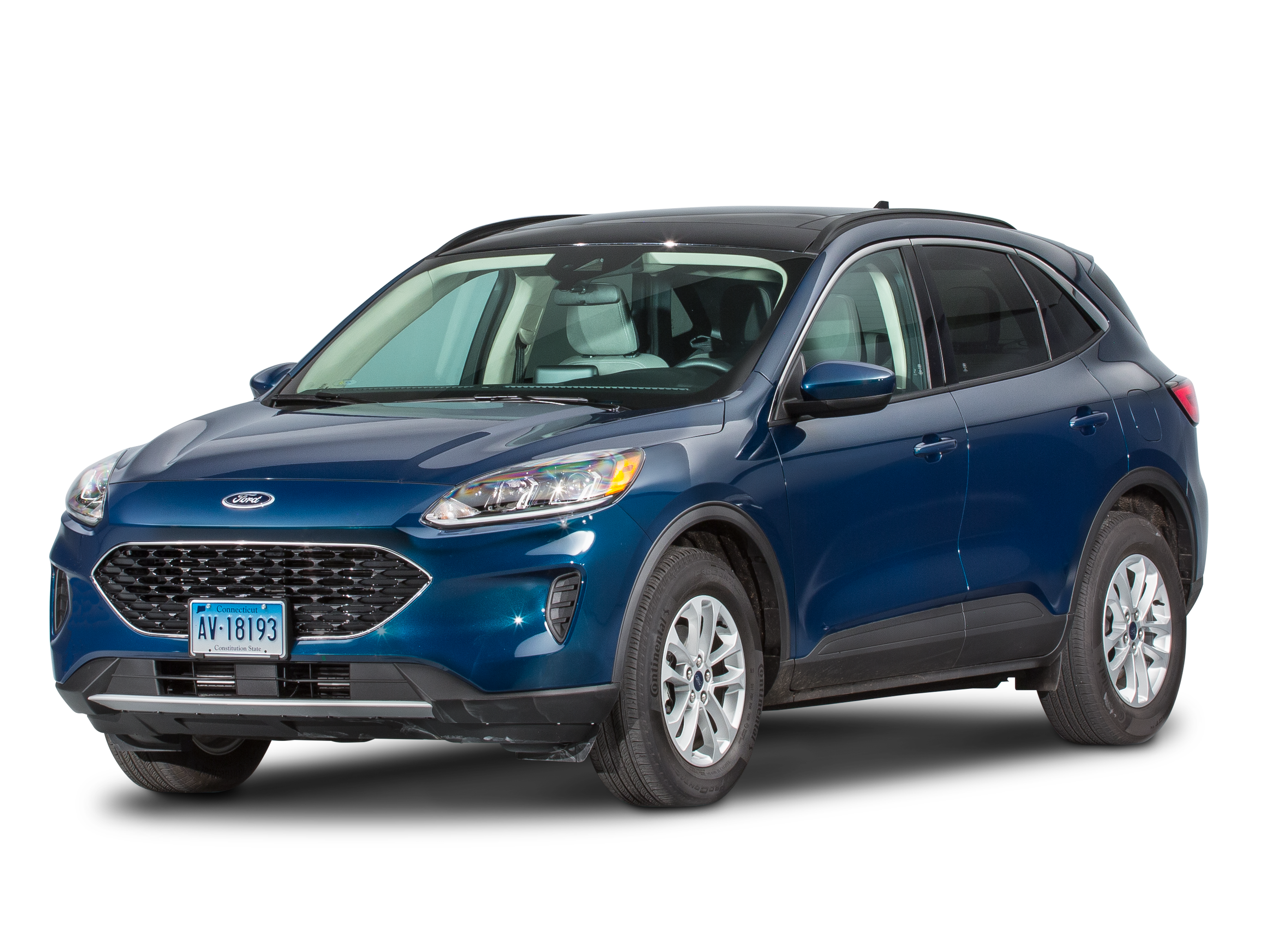
2022
Ford Escape
$17,575
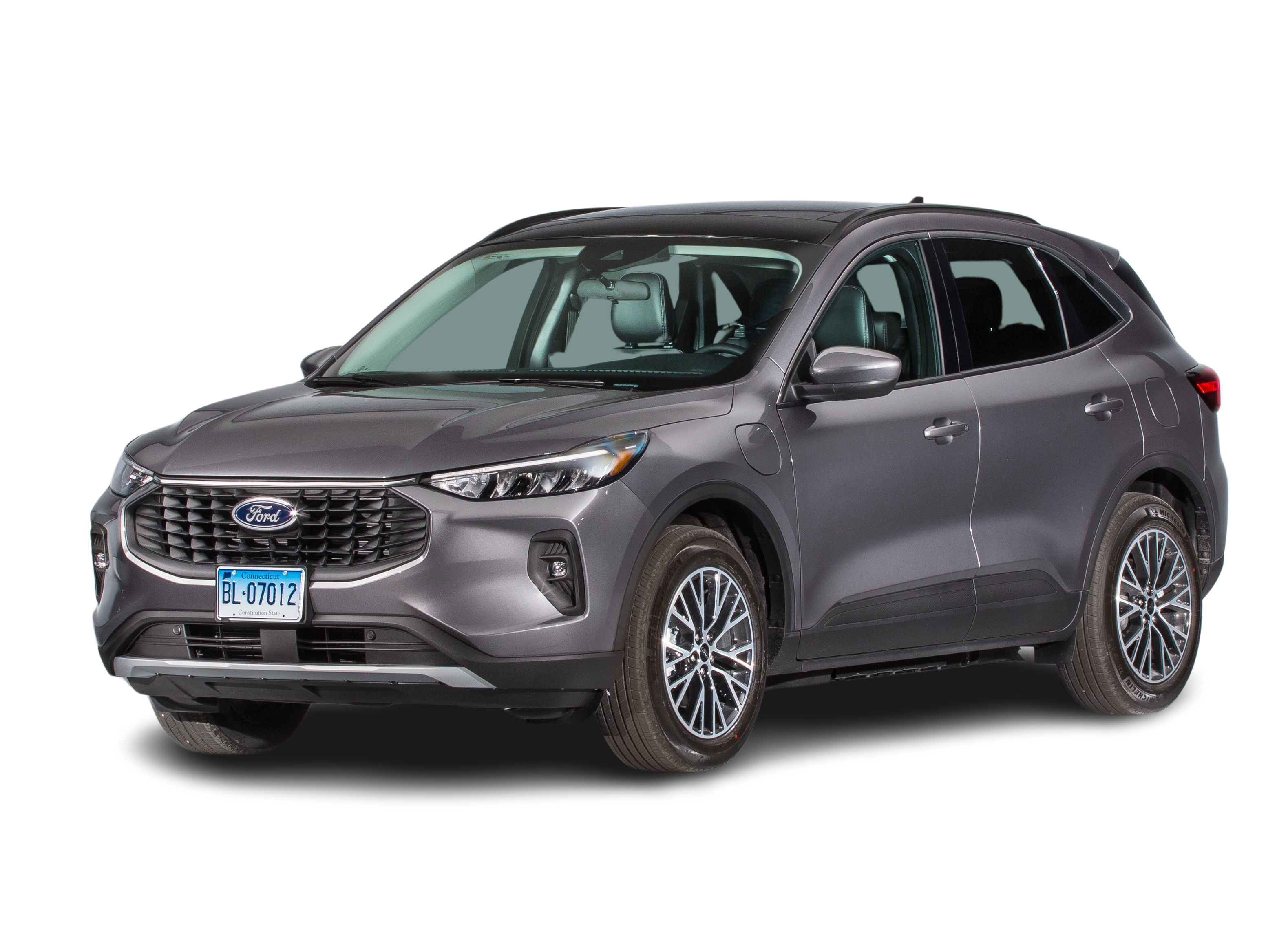
2026
Ford Escape
$28,200
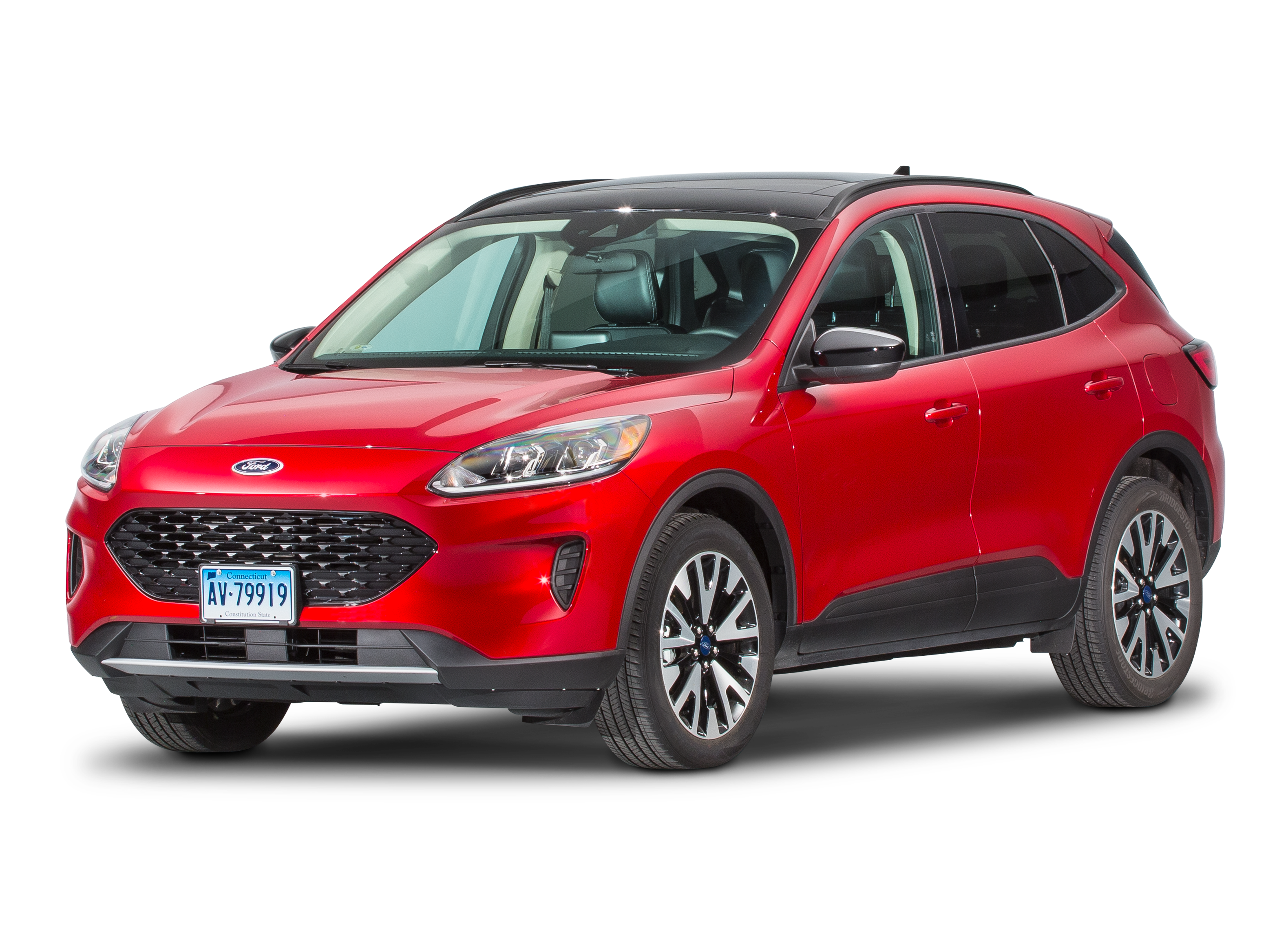
2024
Ford Escape Hybrid
$22,675
$40,500