
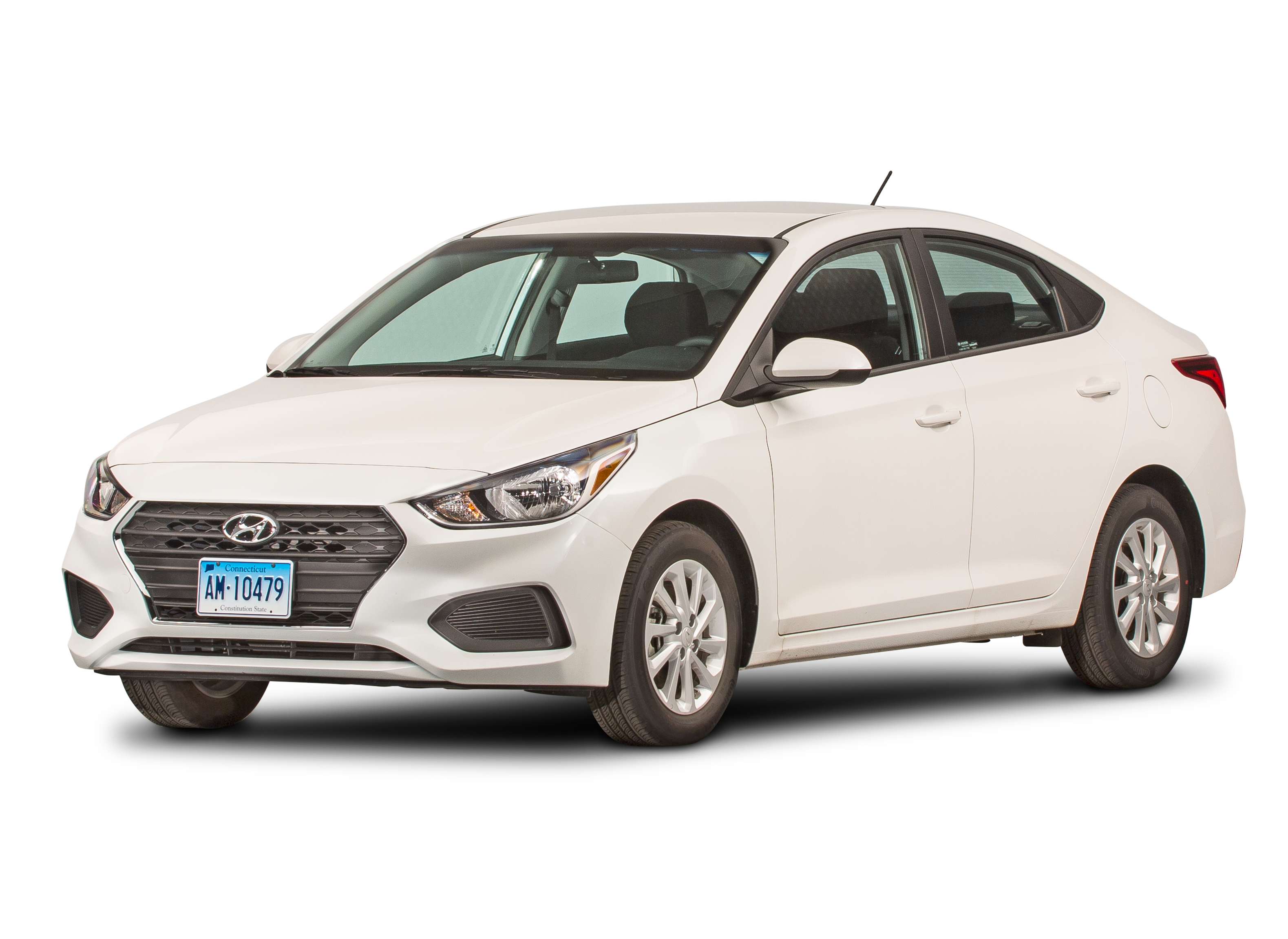
Review and specifications
2022 Hyundai Accent
This generation of Accent comes only as a sedan. It is bare-bones transportation and suffers from many of the shortcomings common among subcompacts. Its 1.6-liter four-cylinder engine returned 33 mpg overall in our tests. That is good, but many larger, more substantial compact cars can match that. The engine noise is mostly unobtrusive, but the sluggish acceleration forces the driver to mash the throttle, at which point the engine sounds coarse. The Hyundai doesn't do much to soften bumps and ruts, and road noise fills the cabin. The basic interior features easy-to-use controls. We found the seats to be short on support, and the back seat is tight back seat. Advanced safety features come only on the top Limited trim, which is priced like a compact car, undermining the reason to buy a subcompact. All 2020 models get a new 120-hp, 1.6-liter four-cylinder engine mated to either a six-speed manual or continuously variable transmission. The manual transmission is no longer available for 2022.
- Market value
- $13,500
- Fuel
- Conventional
- Transmission
- Automatic
- Seats
- 5
At a glance
Model data
Overview
- Powertrain
- Conventional
- Body style
- sedan
- Drive type
- FWD
- Transmission
- CVT
- Category
- Small sedans/hatchbacks
- Generation began
- 2018
Pricing
- Current retail median
- $13,500
- Retail value range
- $12,250 - $14,550
- Original MSRP range
- $16,645 - $19,600
- Trade-in range
- $8,950 - $11,355
Ratings
- Road test score
- 68/100
Fuel economy
- EPA city
- 33 MPG
- EPA highway
- 41 MPG
- EPA combined
- 36 MPG
- Tested city
- 22 MPG
- Tested highway
- 47 MPG
- Tested overall
- 33 MPG
- Annual fuel cost
- $1,175
- Cruising range
- 395 miles
Road tests
- 0-30 mph
- 3.7 sec
- 0-60 mph
- 9.9 sec
- 60-0 mph braking
- 128 ft
- Avoidance speed
- 57.5 mph
- Test status
- Test Completed
Dimensions
- Length
- 173 in
- Width
- 68 in
- Height
- 57 in
- Wheelbase
- 102 in
- Weight
- 2,625 lb
- Maximum load
- 850 lb
- Towing capacity
- 0 lb
Interior
- Seating
- 5 people
- Front head room
- 5 in
- Front leg room
- 42 in
- Rear head room
- 2 in
- Rear leg room
- 25 in
- Luggage
- 2+3+0
Environmental impact
- Air pollution score
- 3/10
- Greenhouse gas score
- 7/10
- SmartWay
- No
Brand context
About Hyundai
<p>From low-cost sedans to three-row electric SUVs, Hyundai has a model for almost every kind of customer. Most new Hyundai vehicles are stylish, functional, and competitively priced, but the brand overall ranks around the middle in Consumer Reports’ reliability and owner satisfaction ratings. Performance for individual models and years varies widely, with some standouts and a few laggards. The core Hyundai lineup includes low-cost compact Elantra and midsized Sonata sedan. SUVs include the subcompact Kona and compact Tucson, plus the midsized Santa Fe and larger Palisade, both of which offer hybrid powertrains and three-row seating. In our testing, most Hyundai models are available with a hybrid drivetrain, which adds power and smoothness while improving fuel economy. The Ioniq electric models are high-tech, well-designed, and can charge quite rapidly at public DC fast charging stations.</p>
Vehicle ID: 22723 First published: November 18, 2021 Updated: June 4, 2026
Values may vary by trim, options, location, and market conditions.
Keep comparing
Related vehicles
2021
Hyundai Accent
$11,388
2020
Hyundai Accent
$9,213
2019
Hyundai Accent
$7,800
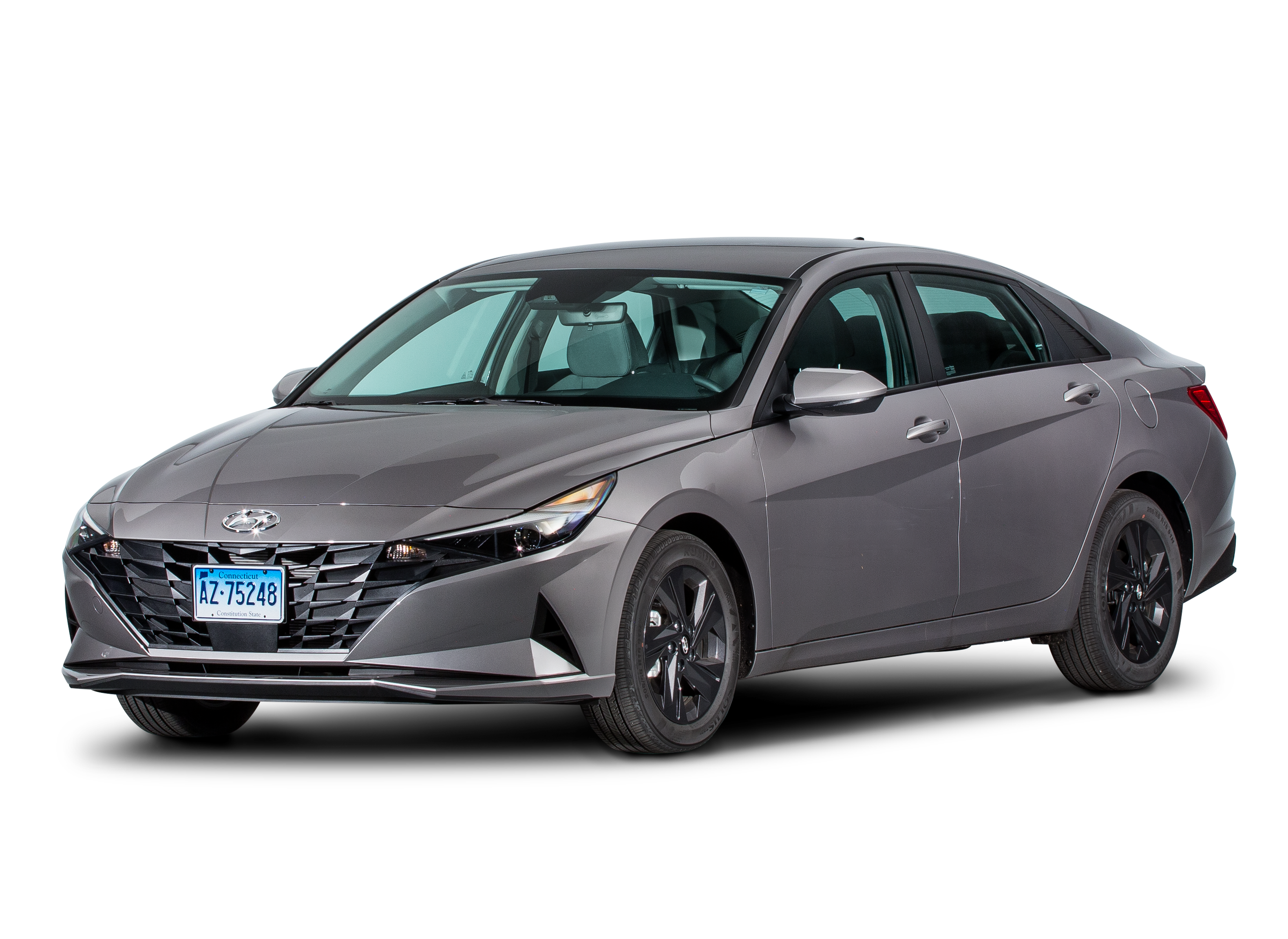
2022
Hyundai Elantra
$17,025
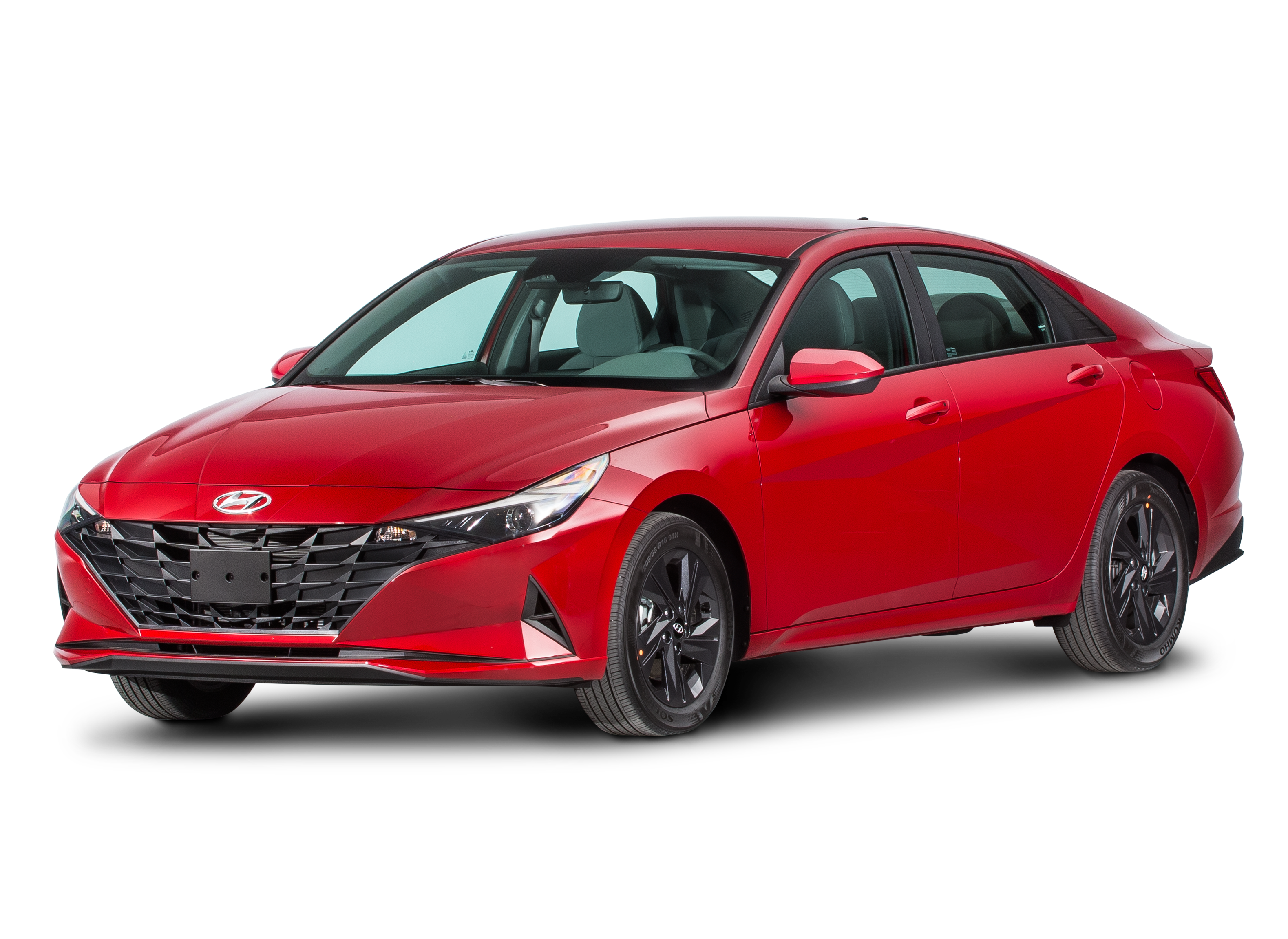
$17,025
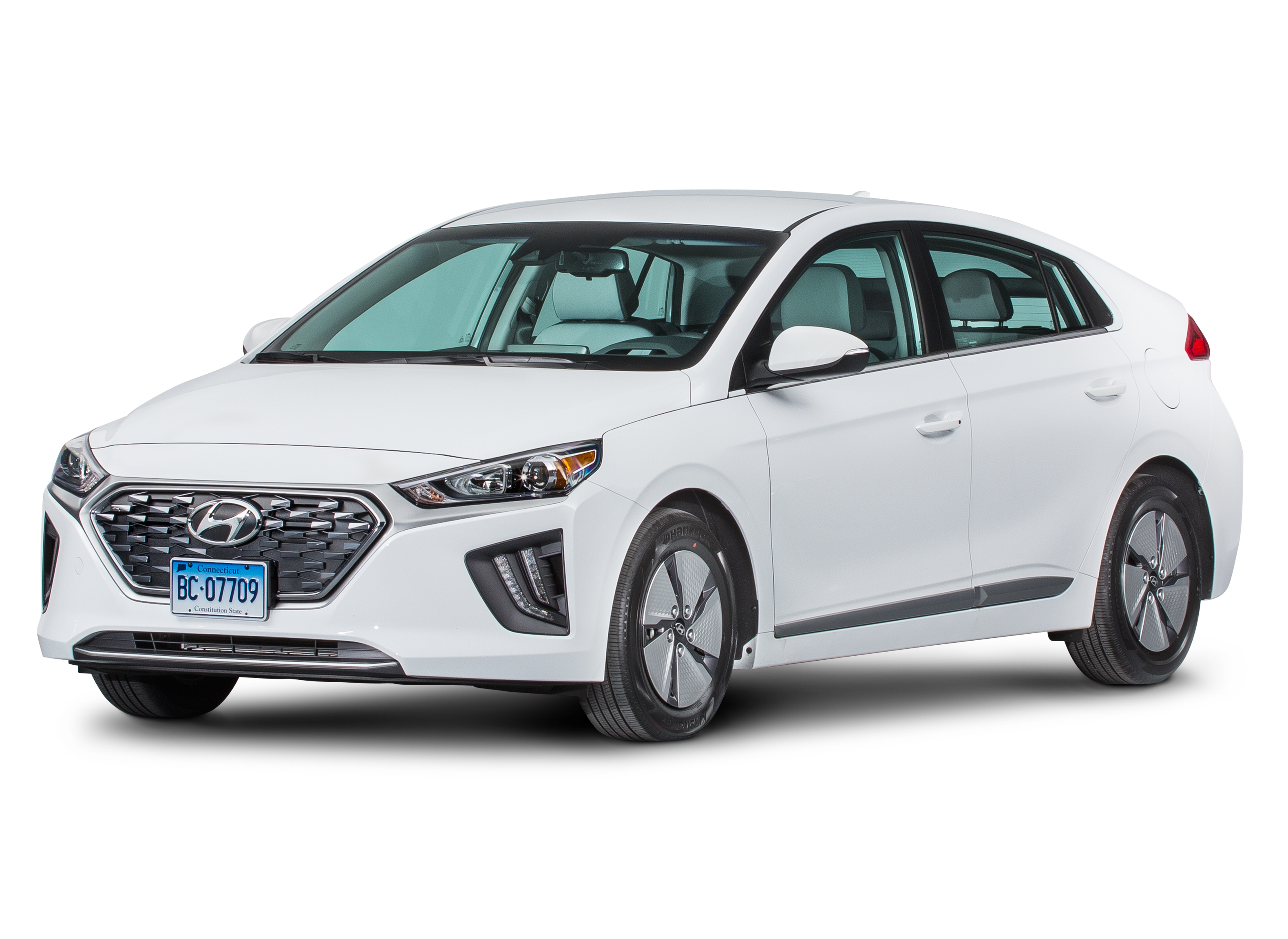
2022
Hyundai Ioniq
$17,075