
Review and specifications
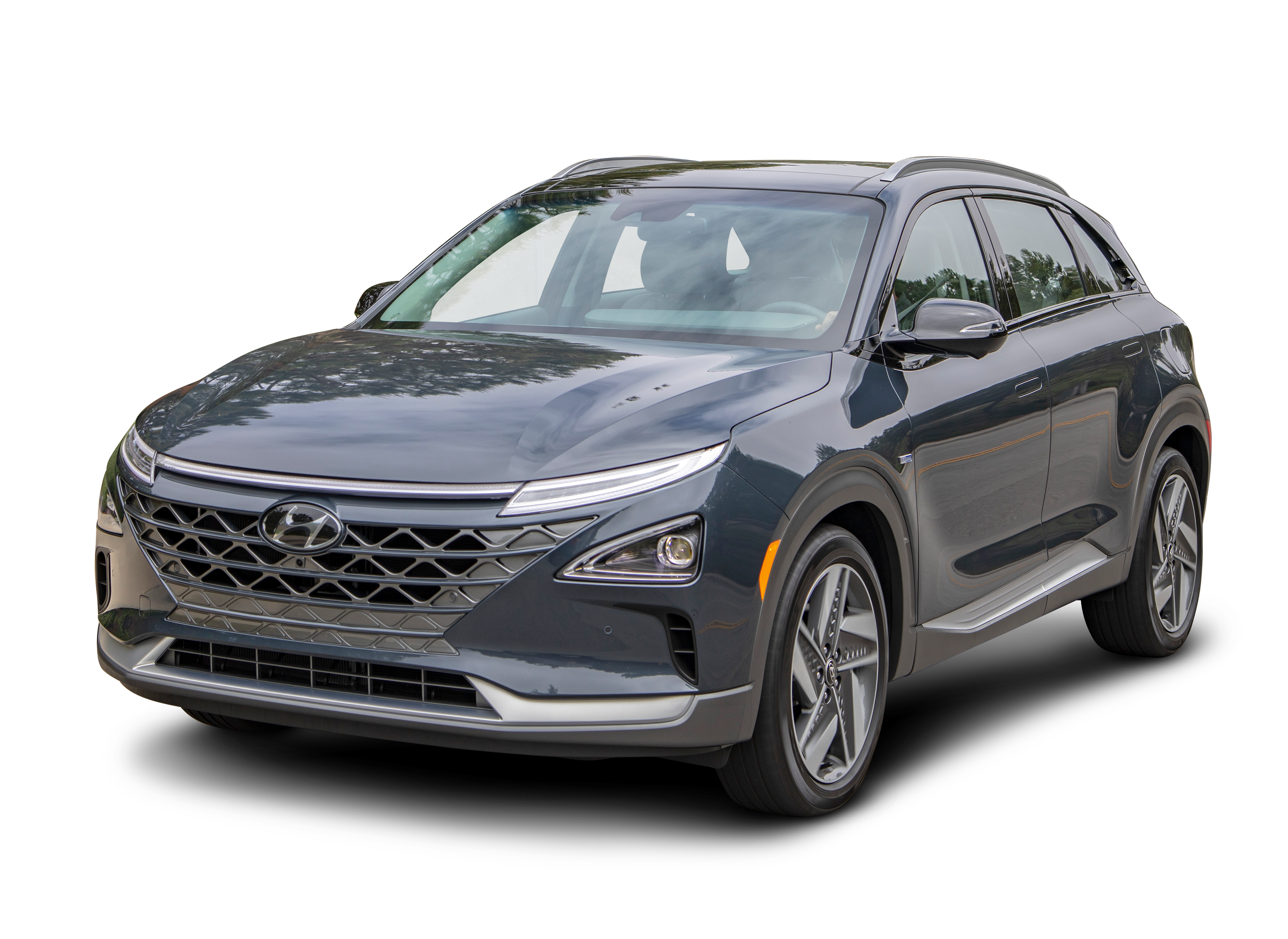
2025 Hyundai Nexo
The Hyundai Nexo joins the Toyota Mirai and Honda Clarity as a hydrogen-run fuel cell vehicle. It takes on an SUV body style that's sized between the Tucson and Santa Fe and has front-wheel-drive. Power comes from an electric motor with a 161-hp output. Three hydrogen tanks with a total capacity of 14 pounds ensure a 380-mile driving range, longer than both competitors. Unlike other FC vehicles, functionality isn't compromised due to a small cargo area or a high floor. Of course, hydrogen filling stations are few and far between, a major concern. The Nexo drives like a luxury car with effortless power, a comfortable ride, quiet cabin, and responsive handling. A few driver assist features come on the top trim, including blind-spot monitors that relay a video image of the car's flanks onto the instrument panel. It also has the ability to park itself and be summoned from a parking space. The Nexo is available only in California metro areas and Hyundai provides a prepaid card with a quota of fill-ups. Forward collision warning, automatic emergency braking with pedestrian detection, lane departure warning, lane keeping assist, blind spot warning and rear cross-traffic warning with braking all come standard.
- Market value
- $60,135
- Fuel
- Electric
- Transmission
- Automatic
- Seats
- 5
At a glance
Model data
Overview
- Powertrain
- Electric
- Body style
- wagon
- Drive type
- FWD
- Transmission
- Direct, 1-speed
- Category
- Electric cars
- Generation began
- 2019
Pricing
- Original MSRP range
- $60,135 - $63,585
Fuel economy
- EPA combined
- 57 MPG
Road tests
- Test status
- Not Tested
Dimensions
- Length
- 184 in
- Width
- 73 in
- Height
- 64 in
- Wheelbase
- 110 in
- Weight
- 4,115 lb
- Towing capacity
- 0 lb
Interior
- Seating
- 5 people
Environmental impact
- Air pollution score
- 10/10
- Greenhouse gas score
- 10/10
- SmartWay
- Elite
Brand context
About Hyundai
<p>From low-cost sedans to three-row electric SUVs, Hyundai has a model for almost every kind of customer. Most new Hyundai vehicles are stylish, functional, and competitively priced, but the brand overall ranks around the middle in Consumer Reports’ reliability and owner satisfaction ratings. Performance for individual models and years varies widely, with some standouts and a few laggards. The core Hyundai lineup includes low-cost compact Elantra and midsized Sonata sedan. SUVs include the subcompact Kona and compact Tucson, plus the midsized Santa Fe and larger Palisade, both of which offer hybrid powertrains and three-row seating. In our testing, most Hyundai models are available with a hybrid drivetrain, which adds power and smoothness while improving fuel economy. The Ioniq electric models are high-tech, well-designed, and can charge quite rapidly at public DC fast charging stations.</p>
Vehicle ID: 32413 First published: December 5, 2024 Updated: June 4, 2026
Values may vary by trim, options, location, and market conditions.
Keep comparing
Related vehicles
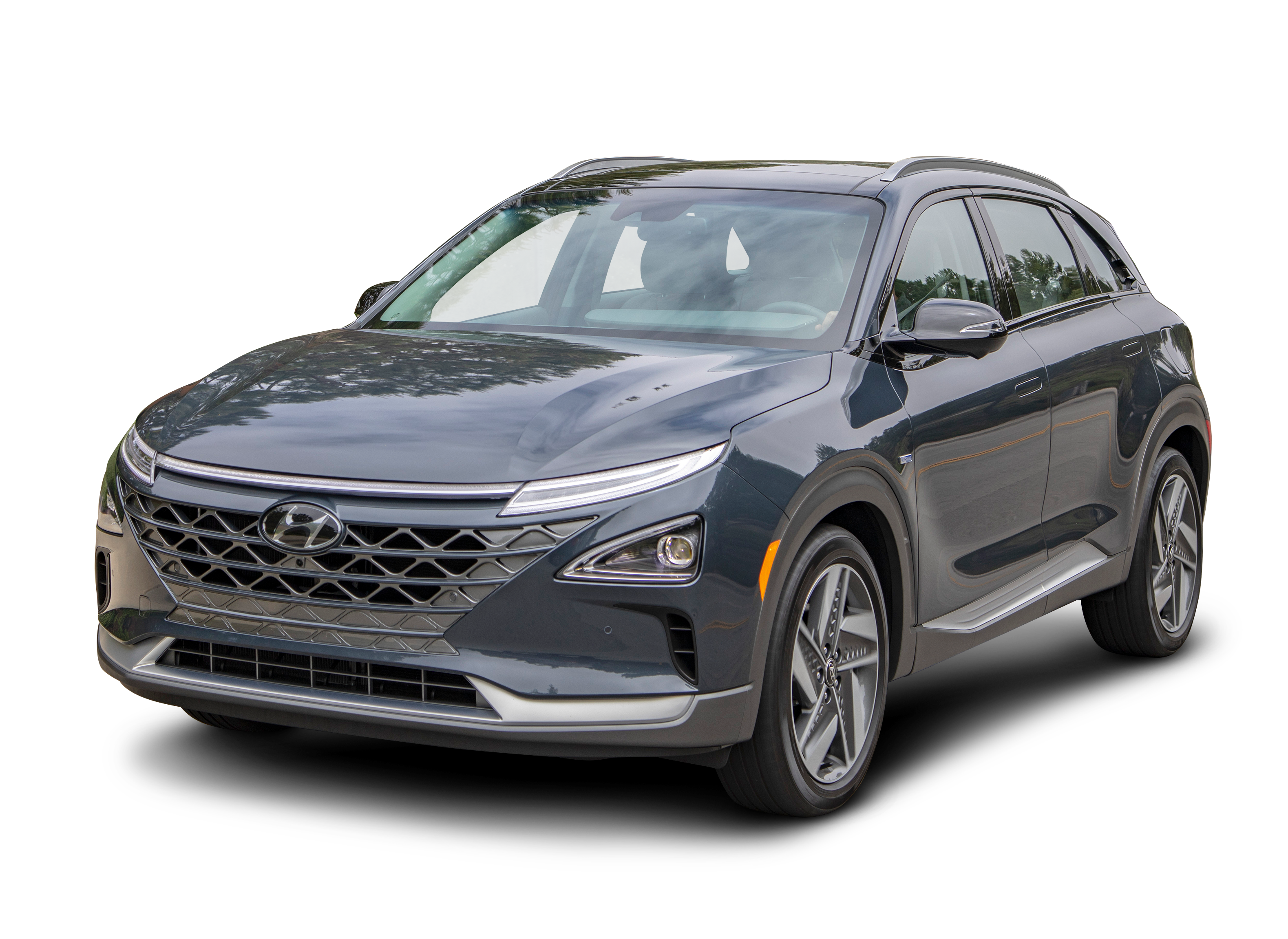
2024
Hyundai Nexo
$60,135
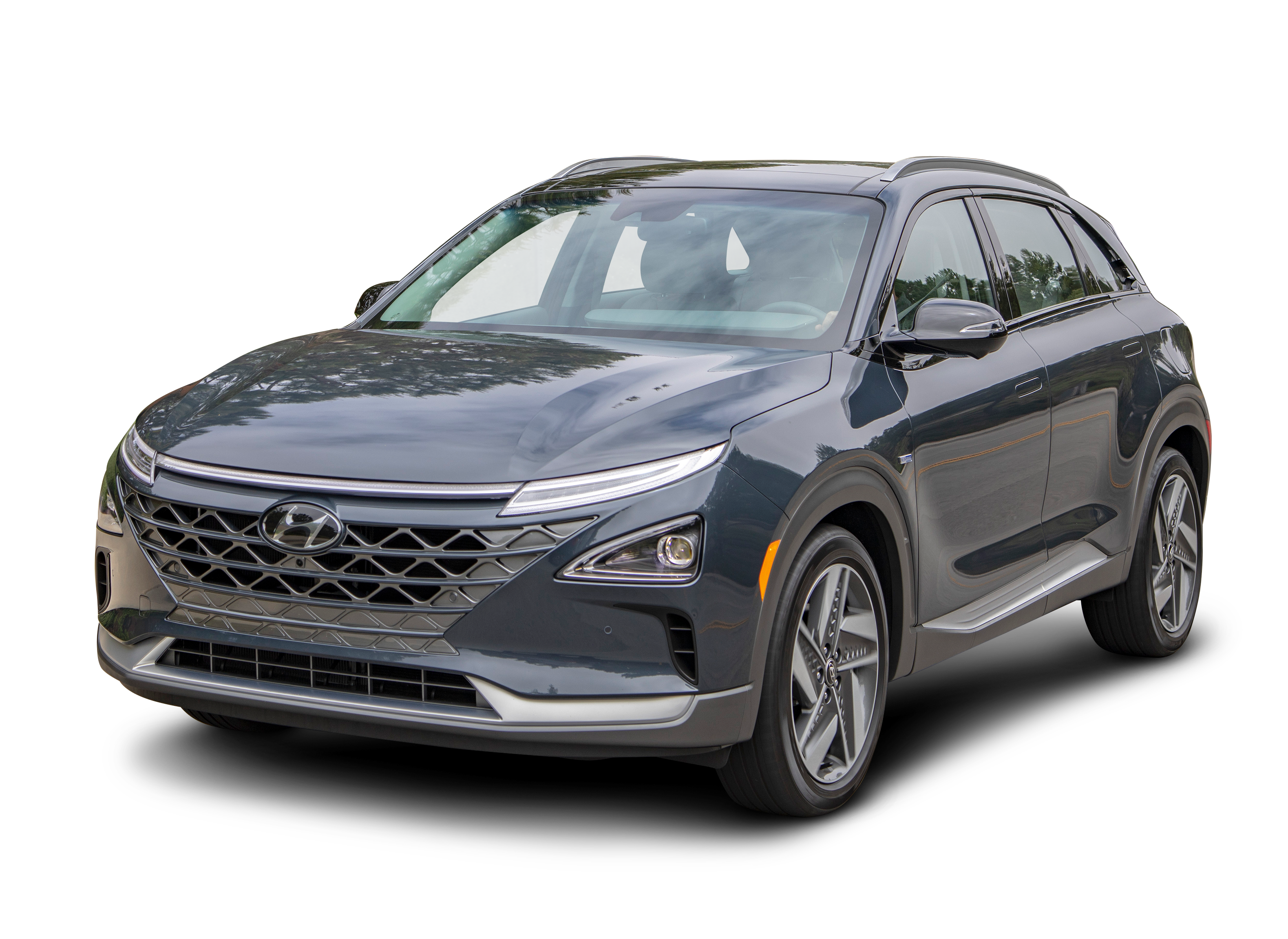
2023
Hyundai Nexo
$60,135
2022
Hyundai Nexo
$59,435
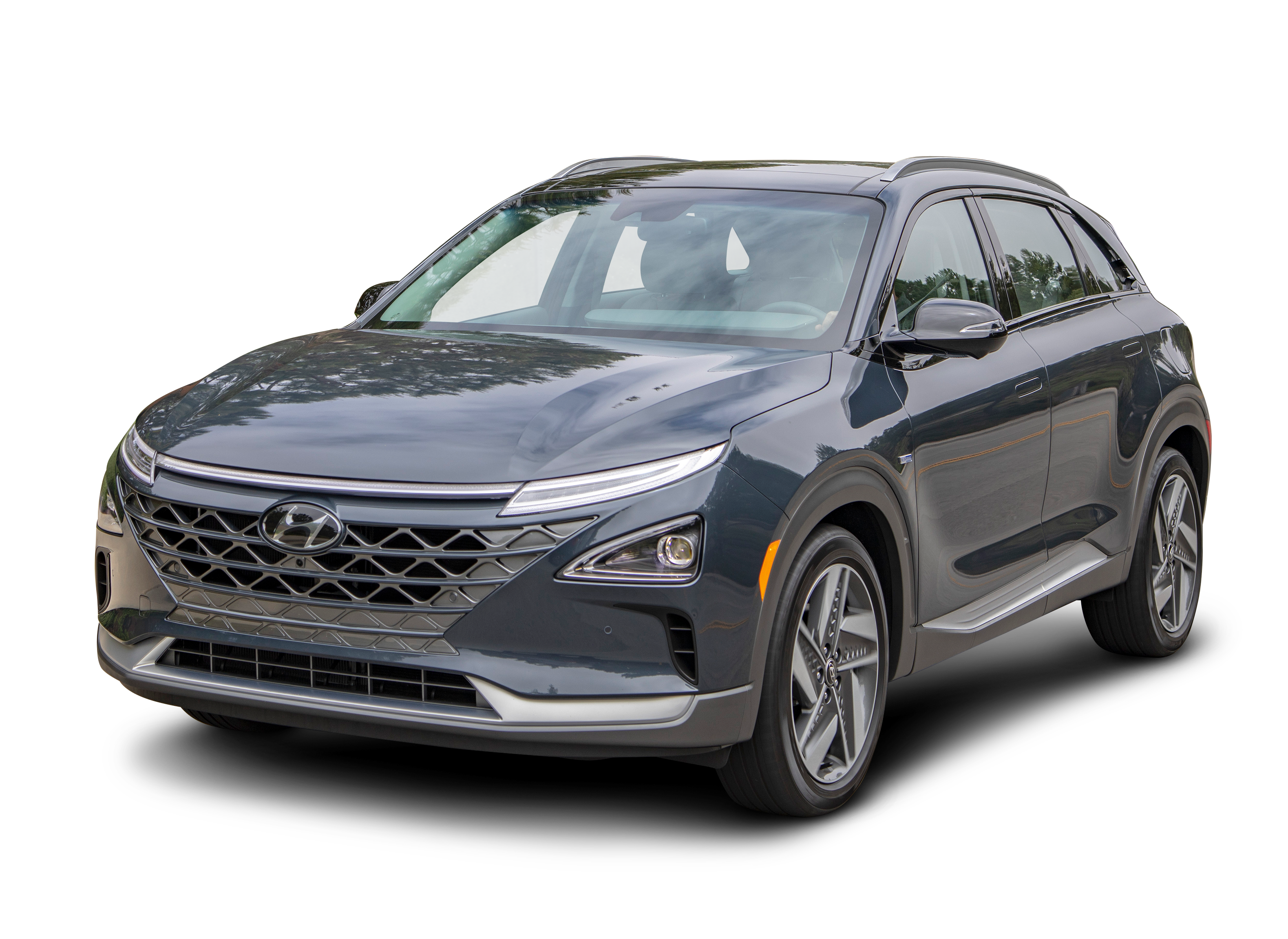
2021
Hyundai Nexo
$58,935
$22,425
2026
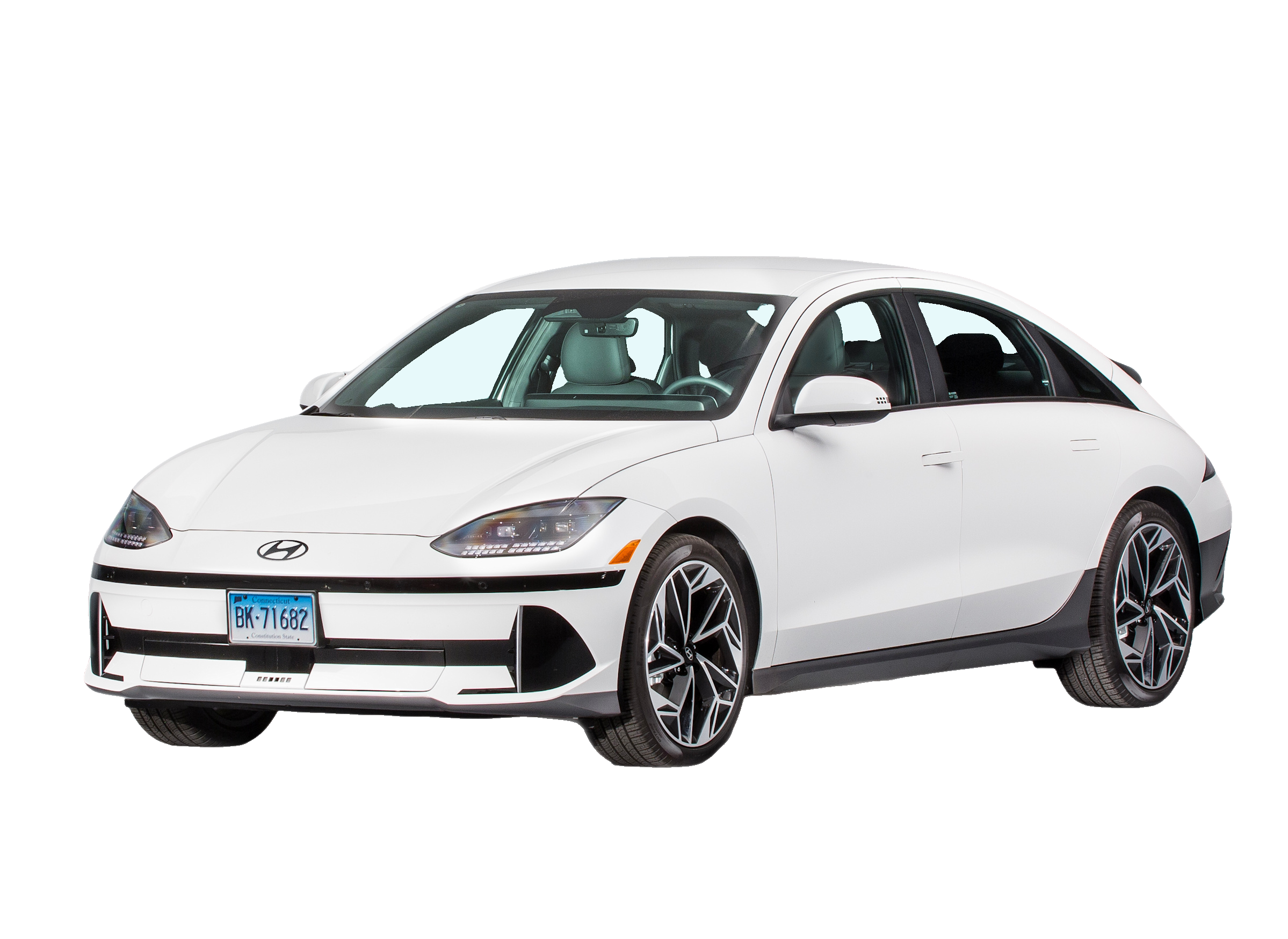
Hyundai Ioniq 6
$37,850