
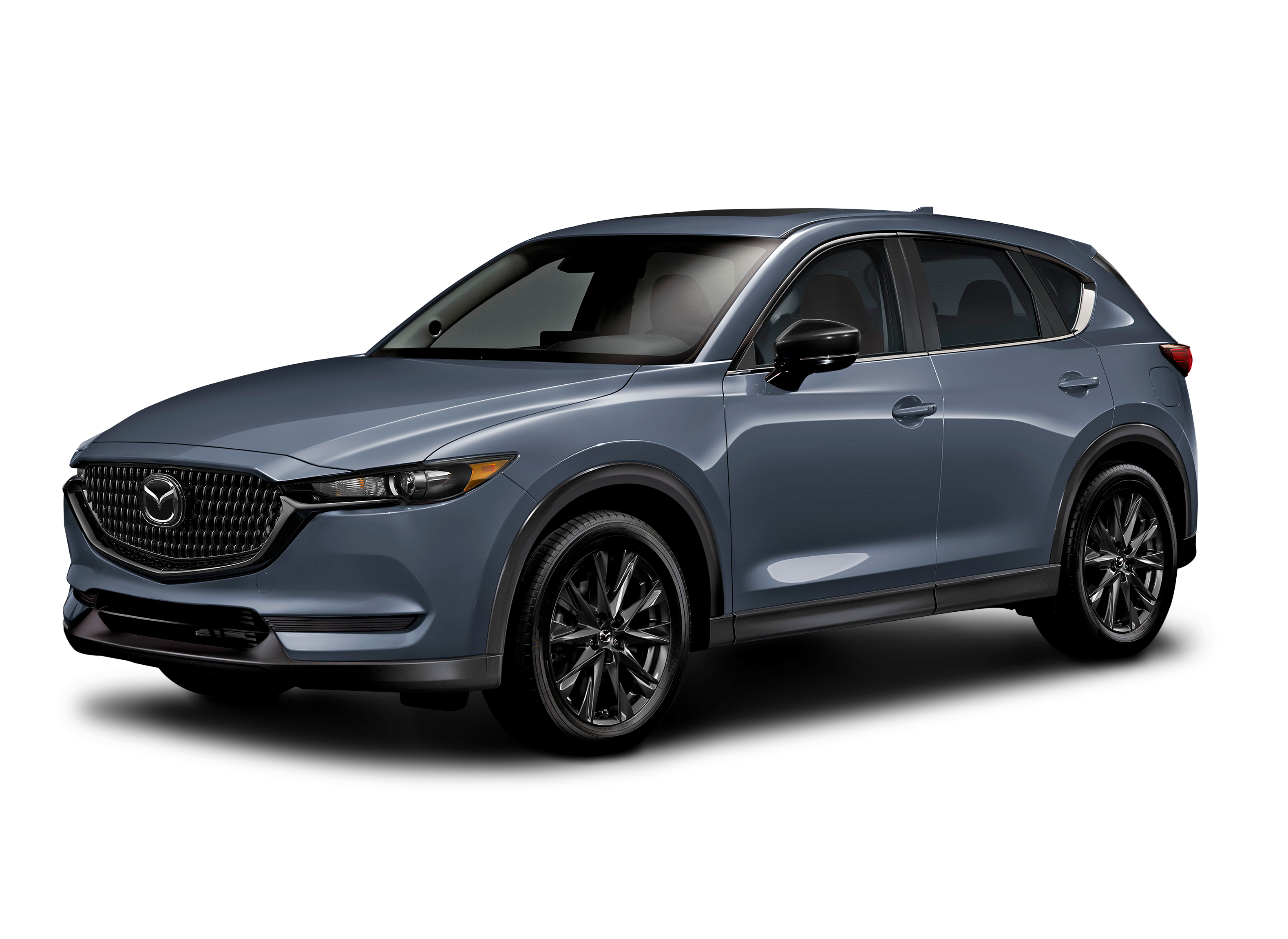
Review and specifications
2021 Mazda CX-5
The 2017 Mazda CX-5 may look like the outgoing model, but the changes go deep and are, indeed, substantial. Mazda kept the strengths of the previous version, including its responsive and economical 2.5-liter four-cylinder engine and spry, nimble handling. But they also addressed many weaknesses, making the ride more supple and absorbent and significantly reducing cabin noise. A six-speed automatic is the only transmission; a diesel engine comes later. The cabin is versatile and very nicely trimmed, especially in Touring and Grand Touring trims. Low-speed automatic emergency braking is standard on all trims; a more capable full-speed system with forward collision warning is optional. Figuring out the infotainment system, which is controlled by a console-located knob, takes some time. Upscale options, including driver seat memory and a heads-up display, are optional. Updates for 2019 included a new top-shelf Signature model, which adds special leather trim, and a 227-horsepower turbocharged four-cylinder engine. The turbo engine is also standard on the Grand Touring Reserve. Adaptive cruise control and auto emergency braking with pedestrian detection are standard for 2020. Updates for 2021 include a new infotainment system. The system, however, isn't a touch screen; users must adjust audio and infotainment features using steering wheel controls or the rotary controller and buttons mounted between the front seats. For 2022 all CX-5’s will come standard with all-wheel drive. The freshened CX-5 gets a mild facelift, redesigned seats, and updates to the transmission and suspension. The 2025 model year introduced a new base 2.5 S trim which slots below the 2.5 S Select.
- Market value
- $17,488
- Fuel
- Conventional
- Transmission
- Automatic
- Seats
- 5
At a glance
Model data
Overview
- Powertrain
- Conventional
- Body style
- 4-door SUV
- Drive type
- AWD
- Transmission
- Automatic, 6-speed
- Category
- Compact SUVs
- Generation began
- 2017
Pricing
- Current retail median
- $17,488
- Retail value range
- $15,825 - $20,200
- Original MSRP range
- $25,370 - $37,505
- Trade-in range
- $13,235 - $18,645
Ratings
- Road test score
- 80/100
- Owner satisfaction
- 3/5
- Would buy again
- 57%
- Reliability
- 3/5
Fuel economy
- EPA city
- 23 MPG
- EPA highway
- 29 MPG
- EPA combined
- 26 MPG
- Tested city
- 17 MPG
- Tested highway
- 33 MPG
- Tested overall
- 24 MPG
- Annual fuel cost
- $1,610
- Cruising range
- 370 miles
Road tests
- 0-30 mph
- 3.1 sec
- 0-60 mph
- 8.6 sec
- 60-0 mph braking
- 133 ft
- Avoidance speed
- 54 mph
- Test status
- Test Completed
Dimensions
- Length
- 179 in
- Width
- 73 in
- Height
- 66 in
- Wheelbase
- 106 in
- Weight
- 3,590 lb
- Maximum load
- 850 lb
- Towing capacity
- 2,000 lb
Interior
- Seating
- 5 people
- Front head room
- 4 in
- Front leg room
- 42 in
- Rear head room
- 4.5 in
- Rear leg room
- 27.5 in
- Cargo volume
- 30.5 cu ft
Owner feedback
- Comfort
- 3/5
- Driving
- 4/5
- Styling
- 5/5
- Value
- 2/5
Environmental impact
- Air pollution score
- 7/10
- Greenhouse gas score
- 5/10
- SmartWay
- No
Brand context
About Mazda
Most Mazdas are affordable, fun to drive, and look good inside and out. Many of its crossovers, SUVs, and sedans have earned Consumer Reports’ recommendations and above-average reliability ratings. Used Mazdas are usually a good option for an affordable pre-owned car. Mazda’s two- and three-row SUVs, identified by CX in the name, are consistently near the top of our ratings. Some Mazdas are available as plug-in hybrids that are capable of useful amounts of electric-only driving range. Most Mazdas achieve solid, but not exceptional fuel economy. Though sports cars are less popular now than decades before, Mazda still sells the MX-5 Miata, one of the best of the few remaining enthusiast cars.
Vehicle ID: 20146 First published: November 19, 2020 Updated: December 4, 2025
Values may vary by trim, options, location, and market conditions.
Keep comparing
Related vehicles
2022
Mazda CX-5
$19,975
2023
Mazda CX-5
$22,013
2024
Mazda CX-5
$24,900
2025
Mazda CX-5
$25,738
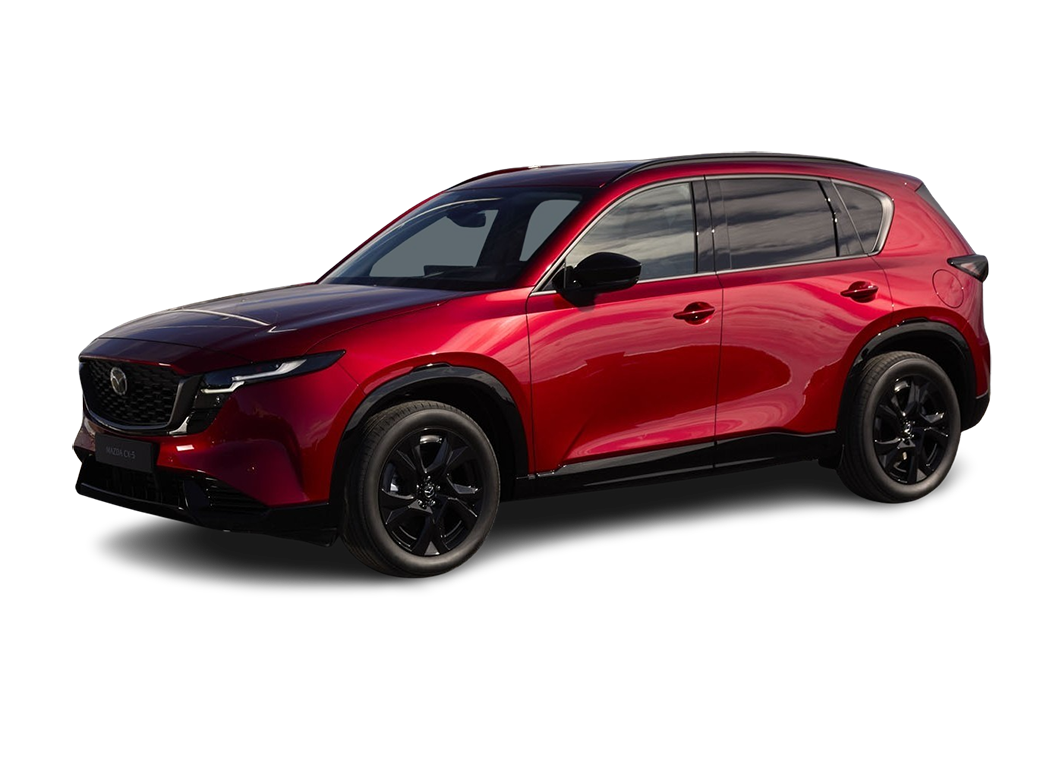
2026
Mazda CX-5
$28,770
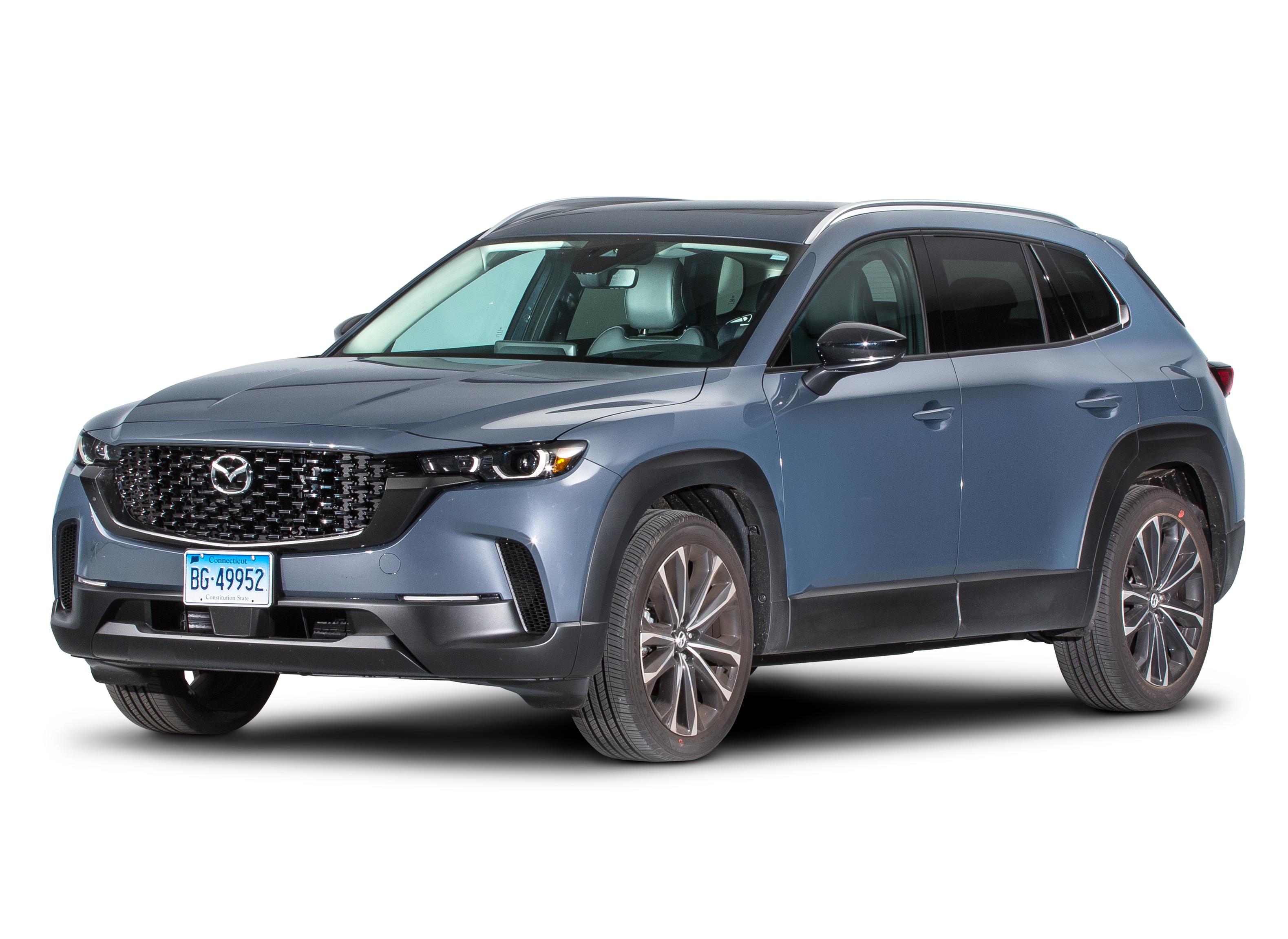
2023
Mazda CX-50
$22,300