Review and specifications
2022 Mercedes-Benz E-Class
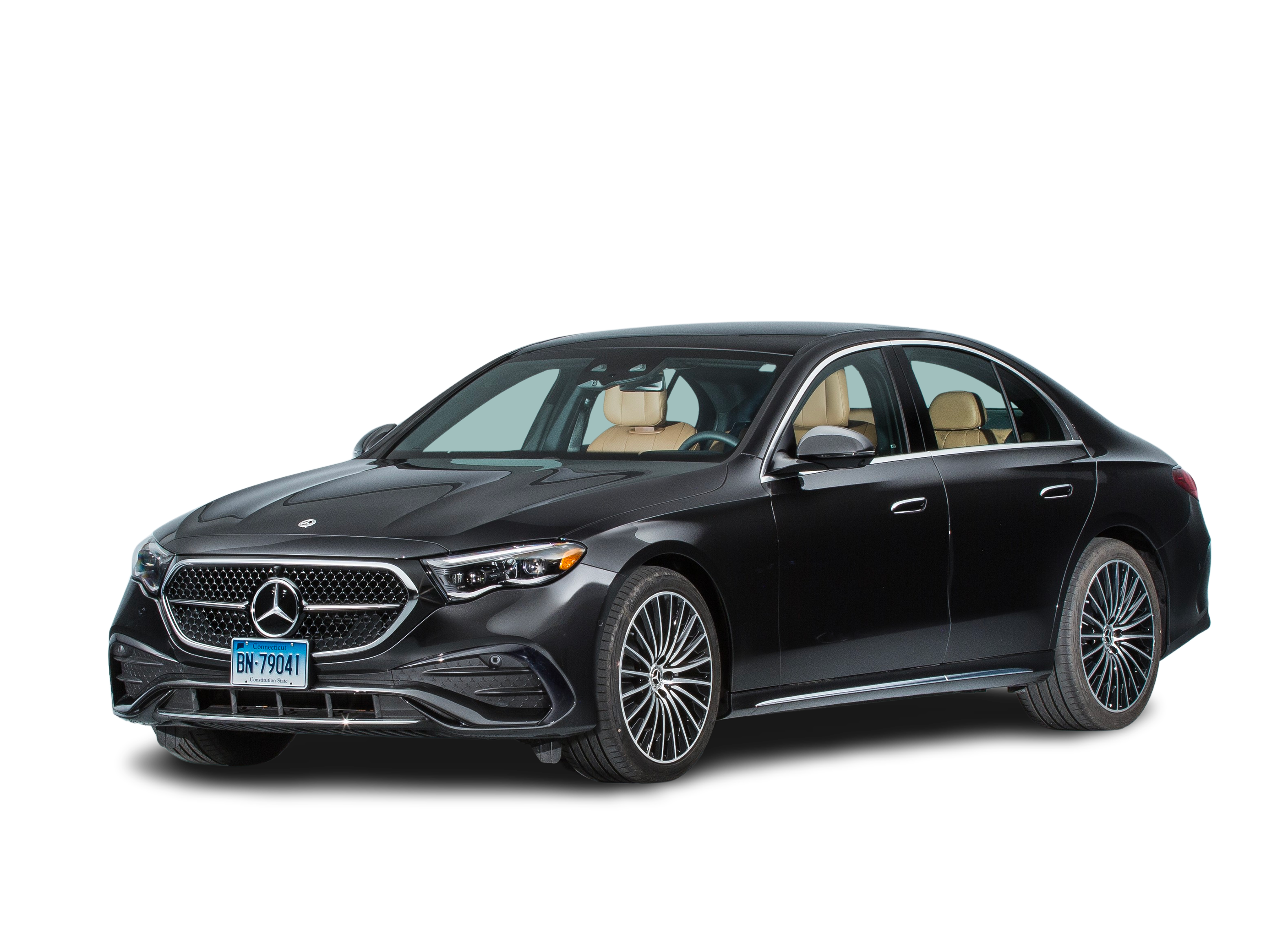
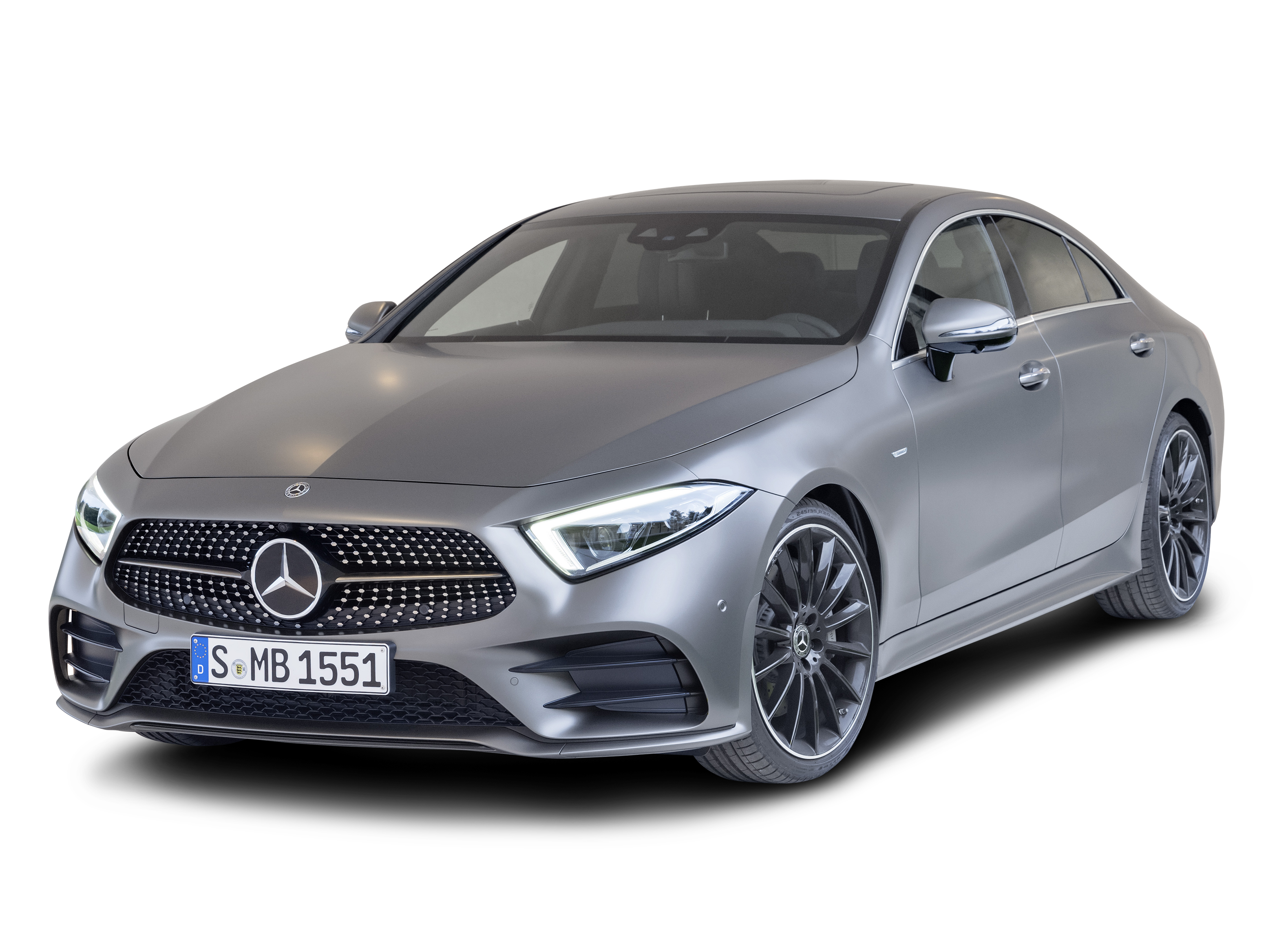
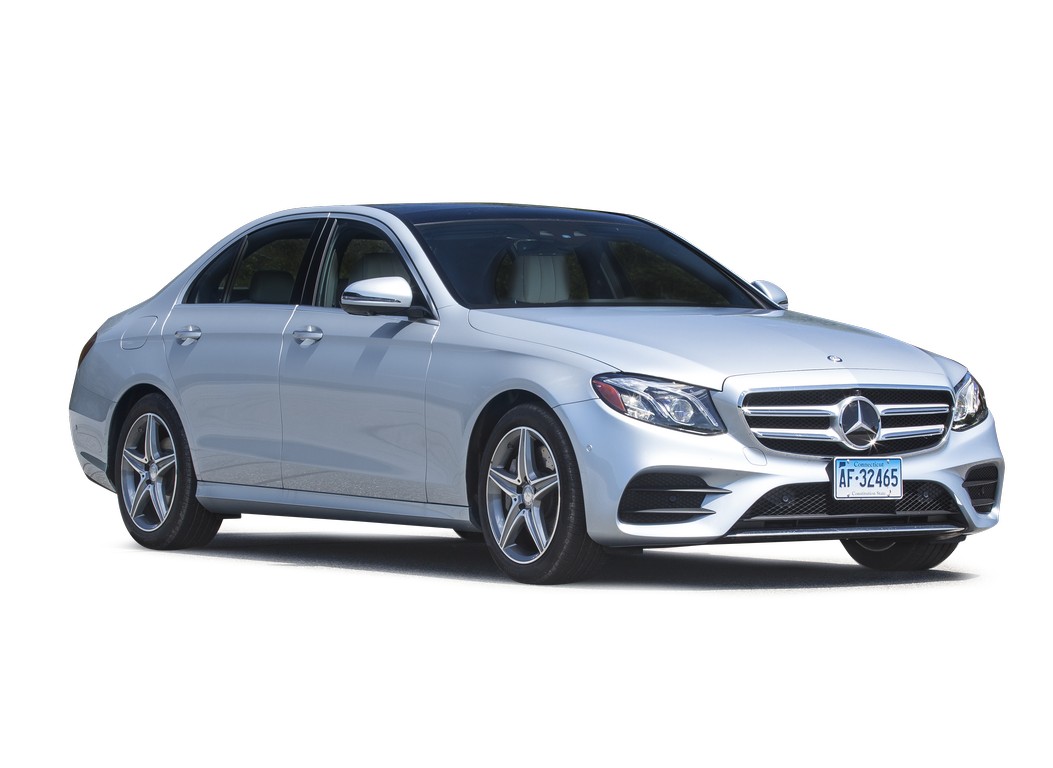
The redesigned E-Class delivers nimbler handling and better fuel economy than the previous generation. On the other hand, it dials back on ride comfort, interior room, and user-friendliness. The E300's 241-hp, 2.0-liter turbo four-cylinder is linked to a nine-speed automatic. This combination works well, but it won't set your heart on fire. Then again, we got a commendable 24 mpg overall. The car is quiet and handles with newfound agility. Though the ride is comfortable, it lost some plushness. Inside, the dash features high-resolution displays, but the controls have grown more complicated. Even adjusting the seat's lumbar support is a multistep process done through the central controller and screen. New technology gives the E-Class the ability to follow the road and steer itself temporarily as a driver-assist feature. Changes for 2018 include new coupe and convertible body styles, powered by a 329-hp 3.0-liter turbocharged V6 hooked up to a nine-speed automatic. An E400 sedan also joins the line with the same powertrain as the new coupe and convertible. Finally, a fire-breathing AMG E63 S wagon and sedan are new, and get a 603-hp 4.0-liter V8 turbo. For 2019 the V6-powered version becomes E450. An E53 gets a mild hybrid setup with a straight six-cylinder engine. Changes for 2020 include a new name for the entry-level model, now called E350 instead of E300, and a boost in horsepower – now 255 hp. Also, blind spot warning is standard on all trims. 2022 models get a freshening with new tail lights and standard adaptive high-beam assist.
- Market value
- $38,600
- Fuel
- Conventional
- Transmission
- Automatic
- Seats
- 5
At a glance
Model data
Overview
- Powertrain
- Conventional
- Body style
- wagon
- Drive type
- AWD
- Transmission
- Automatic, 9-speed
- Category
- Luxury midsized cars
- Generation began
- 2017
Pricing
- Current retail median
- $38,600
- Retail value range
- $30,350 - $50,900
- Original MSRP range
- $54,950 - $113,500
- Trade-in range
- $28,030 - $48,060
Ratings
- Road test score
- 83/100
- Owner satisfaction
- 4/5
- Would buy again
- 72%
- Reliability
- 5/5
Fuel economy
- EPA city
- 22 MPG
- EPA highway
- 29 MPG
- EPA combined
- 24 MPG
- Tested city
- 15 MPG
- Tested highway
- 36 MPG
- Tested overall
- 24 MPG
- Annual fuel cost
- $2,055
- Cruising range
- 410 miles
Road tests
- 0-30 mph
- 2.8 sec
- 0-60 mph
- 7.1 sec
- 60-0 mph braking
- 128 ft
- Avoidance speed
- 54.5 mph
- Test status
- Test Completed
Dimensions
- Length
- 195 in
- Width
- 74 in
- Height
- 58 in
- Wheelbase
- 116 in
- Weight
- 4,030 lb
- Maximum load
- 1,070 lb
- Towing capacity
- 0 lb
Interior
- Seating
- 5 people
- Front head room
- 4 in
- Front leg room
- 43.5 in
- Rear head room
- 2.5 in
- Rear leg room
- 27.5 in
- Luggage
- 2+2+0
Owner feedback
- Comfort
- 5/5
- Driving
- 5/5
- Styling
- 5/5
- Value
- 1/5
Environmental impact
- Air pollution score
- 6/10
- Greenhouse gas score
- 5/10
- SmartWay
- No
Brand context
About Mercedes-Benz
<p>Most Mercedes-Benzes give their owners industry-leading comfort and technology. The cost of that experience is typically a lofty base price with expensive options and below-average reliability. The brand produces a wide variety of vehicles for the U.S., including coupes, sedans, convertibles, and even two-seat sports cars. Some two- and three-row SUVs that we’ve tested have powerful engines and interiors that are roomy and quiet. Generally, Mercedes-Benz fit and finish, inside and out, is exceptional and helps justify prices. Mercedes-Benz’s EVs range from compact to large three-row SUVs. Across the lineup, controls for the complex climate and infotainment systems aren’t as intuitive as we find in other luxury vehicles. Like most European luxury brands, used Mercedes-Benzes can have expensive out-of-warranty repairs.</p>
Vehicle ID: 23048 First published: November 18, 2021 Updated: June 4, 2026
Values may vary by trim, options, location, and market conditions.
Keep comparing