
Review and specifications
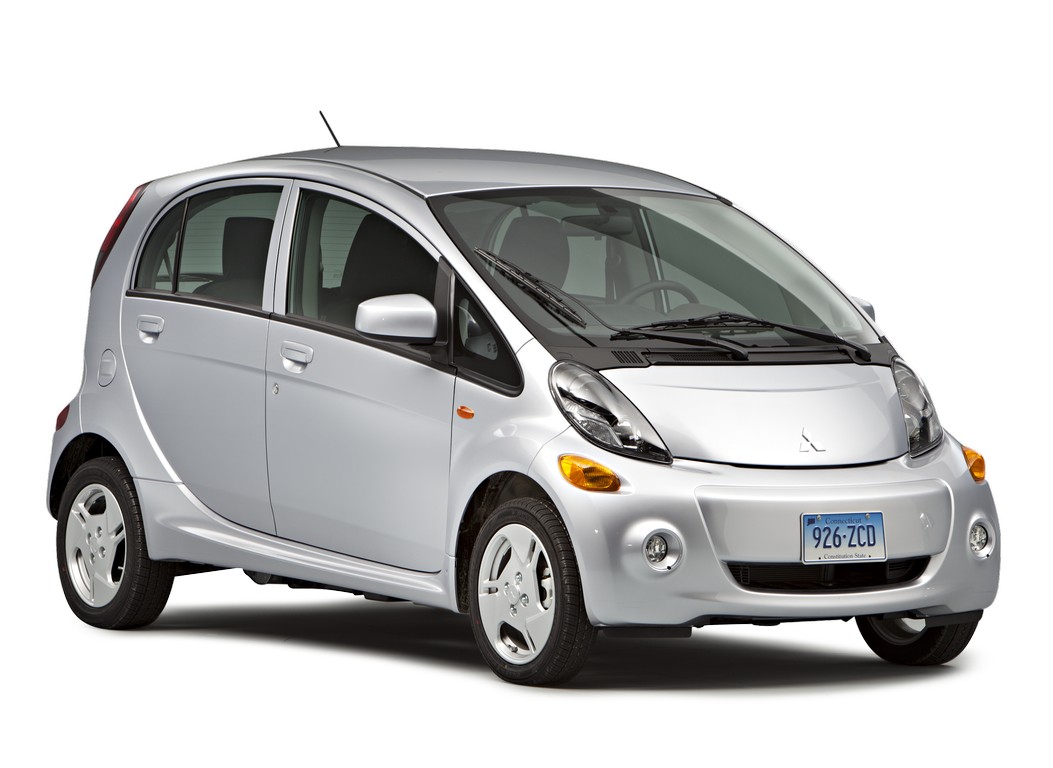
2013 Mitsubishi i-MiEV
The i-MiEV, also known just as the i, is Mitsubishi's electric car. It uses a 16-kWh lithium-ion battery that takes between six and seven hours to charge on a 240-volt, Level 2 charger, or 21 hours on a standard 110-volt charger. Its range is EPA-rated at 62 miles, although we generally got 56 miles. We measured its energy consumption at 111 mpg equivalent. The motor puts out 63 hp. This is cheapest all-electric car available, but the tradeoff is it's slow, clumsy, stiff riding, and spartan inside. The i-MiEV has been discontinued for 2018.
- Market value
- $29,125
- Fuel
- Conventional
- Transmission
- Automatic
- Seats
- 4
At a glance
Model data
Overview
- Powertrain
- Conventional
- Body style
- 4-door hatchback
- Drive type
- RWD
- Transmission
- Direct, 1-speed
- Category
- Electric cars
- Generation began
- 2012
Pricing
- Original MSRP range
- $29,125 - $31,125
Ratings
- Road test score
- 35/100
Fuel economy
- Tested city
- 104 MPG
- Tested highway
- 116 MPG
- Tested overall
- 111 MPG
- Annual fuel cost
- $15
- Cruising range
- 55 miles
Road tests
- 0-30 mph
- 4.9 sec
- 0-60 mph
- 14.7 sec
- 60-0 mph braking
- 132 ft
- Avoidance speed
- 52 mph
- Test status
- Test Completed
Dimensions
- Length
- 145 in
- Width
- 62 in
- Height
- 64 in
- Wheelbase
- 100 in
- Weight
- 2,610 lb
- Maximum load
- 660 lb
- Towing capacity
- 0 lb
Interior
- Seating
- 4 people
- Front head room
- 5 in
- Front leg room
- 39.5 in
- Rear head room
- 4.5 in
- Rear leg room
- 25 in
- Luggage
- 1+1+0
Environmental impact
- Air pollution score
- 10/10
- Greenhouse gas score
- 10/10
- SmartWay
- Elite
Brand context
About Mitsubishi
<p>Mitsubishi sells a small range of subcompact and compact SUVs; none stand out among their rivals. In the past, Mitsubishi was known for its partnership with Chrysler and its eclectic lineup. Discontinued models include budget-friendly Mirage, sports cars such as the 3000 GT, Eclipse, and Lancer Evolution, mid-priced sedans, and dedicated off-road SUVs. After struggling during the 2000s and 2010s, Mitsubishi is now a partner in the Renault-Nissan-Mitsubishi Alliance and has benefited from access to the other alliance members’ designs and technology. The Mitsubishi Outlander, for example, is based on the Nissan Rogue.</p>
Vehicle ID: 5461 First published: July 22, 2020 Updated: June 4, 2026
Values may vary by trim, options, location, and market conditions.
Keep comparing
Related vehicles
2014
Mitsubishi i-MiEV
$3,175
2016
Mitsubishi i-MiEV
$3,450
2017
Mitsubishi i-MiEV
$4,750
2014
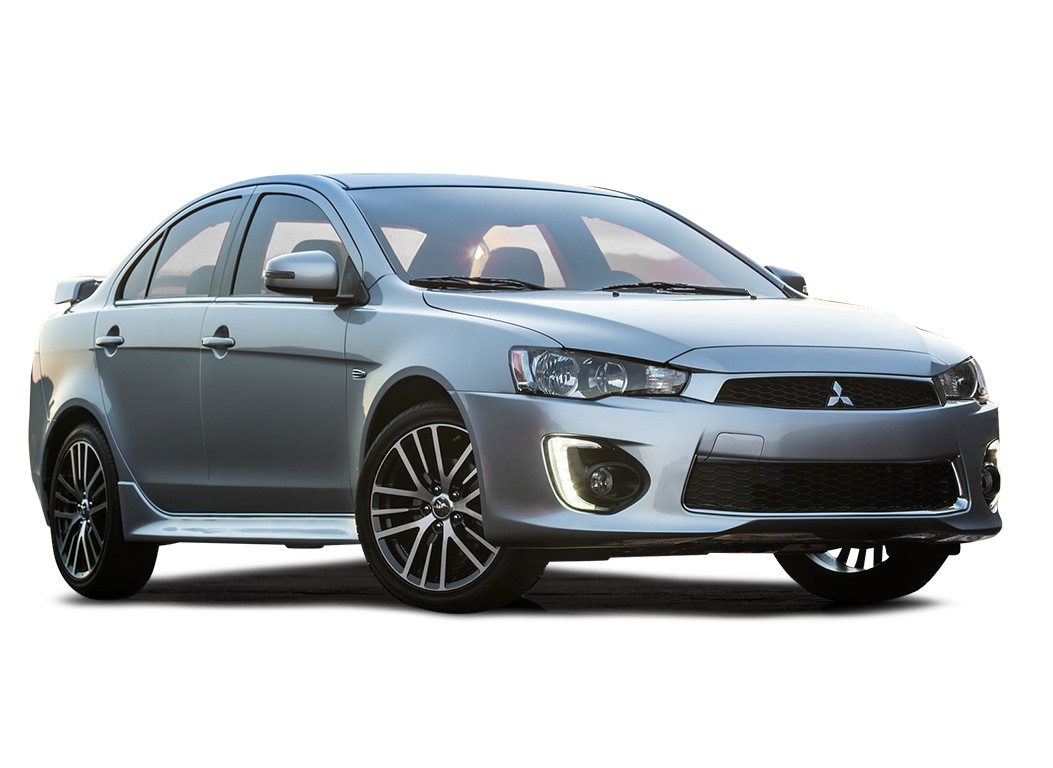
Mitsubishi Lancer
$5,525
2012
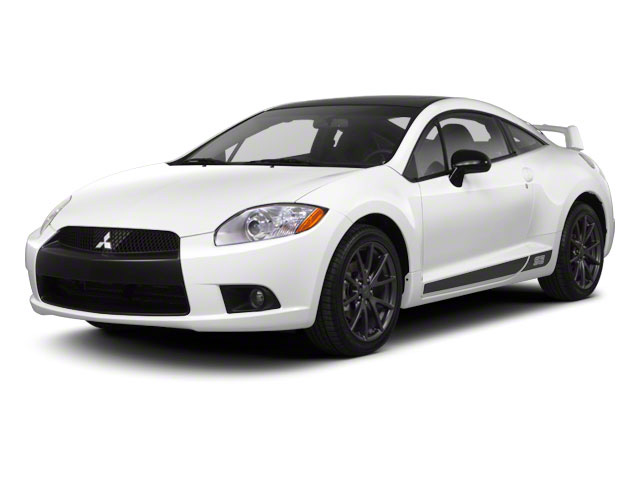
Mitsubishi Eclipse
$4,300
2012
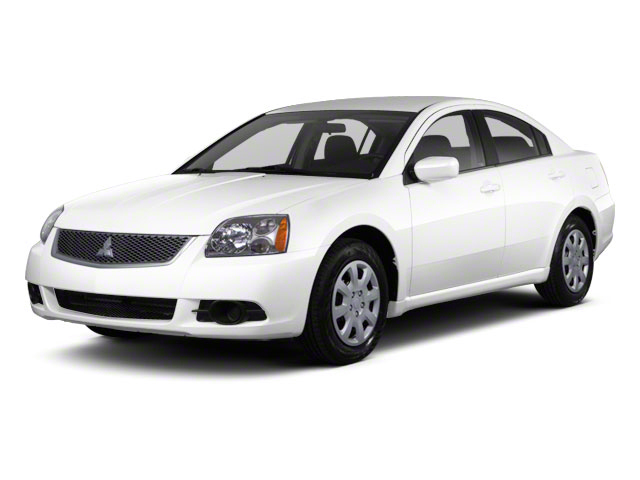
Mitsubishi Galant
$4,350