
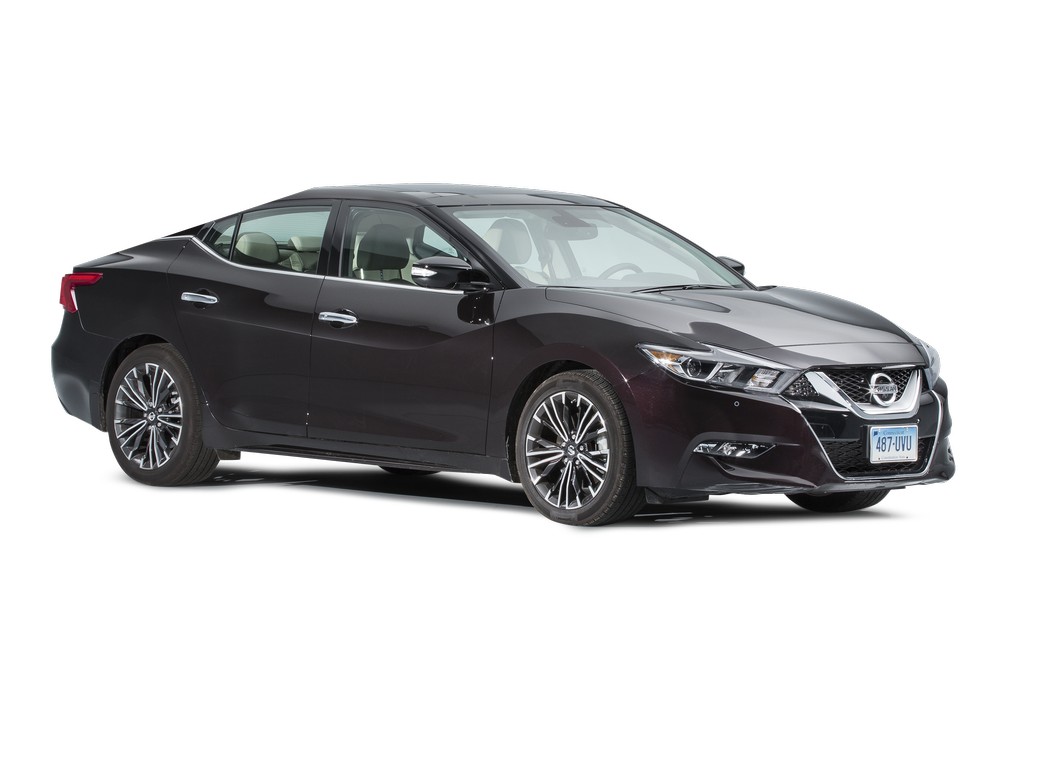
Review and specifications
2021 Nissan Maxima
Redesigned for 2016, the Maxima continues to use the smooth, powerful 3.5-liter V6, which is a highlight of the new car. The continuously variable transmission works well for loafing around, but it saps any aspirations of sporty driving. Handling is mundane and the ride is too stiff for a sedan that costs $40,000. The Maxima has a plush interior, a number of high-tech safety and connectivity features, and uses a fairly straightforward infotainment system. A low roofline inhibits access and visibility. Controls are simple to use, and the front seats are very comfortable and supportive. The rear cabin, however, is rather cramped. An SR version with a stiffer suspension is available, but it lacks a sunroof. For 2017, Apple CarPlay is added to the infotainment system. Updates for 2018 included standard forward collision warning with automatic emergency braking. Changes for 2019 include new exterior styling, and revised interior trim. Nissan's Rear Door Alert system, giving drivers messages on the driver instrument panel, and multiple horn honks as a way to remind drivers to check the rear seats after they park, is now standard. For 2020, all models come standard with blind spot warning, rear cross traffic warning, lane departure warning, high beam assist, and rear automatic braking. Updates for 2022 include standard heated rear seats added to Platinum grade.
- Market value
- $20,075
- Fuel
- Conventional
- Transmission
- Automatic
- Seats
- 5
At a glance
Model data
Overview
- Powertrain
- Conventional
- Body style
- sedan
- Drive type
- FWD
- Transmission
- CVT
- Category
- Large cars
- Generation began
- 2016
Pricing
- Current retail median
- $20,075
- Retail value range
- $15,525 - $21,075
- Original MSRP range
- $37,090 - $42,320
- Trade-in range
- $12,355 - $18,605
Ratings
- Road test score
- 80/100
Fuel economy
- EPA city
- 22 MPG
- EPA highway
- 30 MPG
- EPA combined
- 25 MPG
- Tested city
- 17 MPG
- Tested highway
- 36 MPG
- Tested overall
- 25 MPG
- Annual fuel cost
- $1,925
- Cruising range
- 455 miles
Road tests
- 0-30 mph
- 2.8 sec
- 0-60 mph
- 6.5 sec
- 60-0 mph braking
- 132 ft
- Avoidance speed
- 53 mph
- Test status
- Test Completed
Dimensions
- Length
- 193 in
- Width
- 73 in
- Height
- 57 in
- Wheelbase
- 109 in
- Weight
- 3,535 lb
- Maximum load
- 900 lb
- Towing capacity
- 0 lb
Interior
- Seating
- 5 people
- Front head room
- 2.5 in
- Front leg room
- 41.5 in
- Rear head room
- 2 in
- Rear leg room
- 28 in
- Luggage
- 3+0+0
Environmental impact
- Air pollution score
- 3/10
- Greenhouse gas score
- 5/10
- SmartWay
- No
Brand context
About Nissan
<p>Nissan's SUVs, pickup trucks, and EVs usually perform well in our road tests, but their Overall Scores can suffer because of up-and-down reliability and average to below-average owner satisfaction. Inconsistent quality across the brand means some Nissans are a better choice than others. Many of its gasoline vehicles use small turbocharged engines and continuously variable transmissions to give owners both competitive fuel economy and sporty performance. Most new Nissans come standard with a full suite of active safety and driver assist systems. Used Nissans typically have average reliability according to our surveys.</p>
Vehicle ID: 20023 First published: November 19, 2020 Updated: June 4, 2026
Values may vary by trim, options, location, and market conditions.
Keep comparing
Related vehicles
2022
Nissan Maxima
$23,275
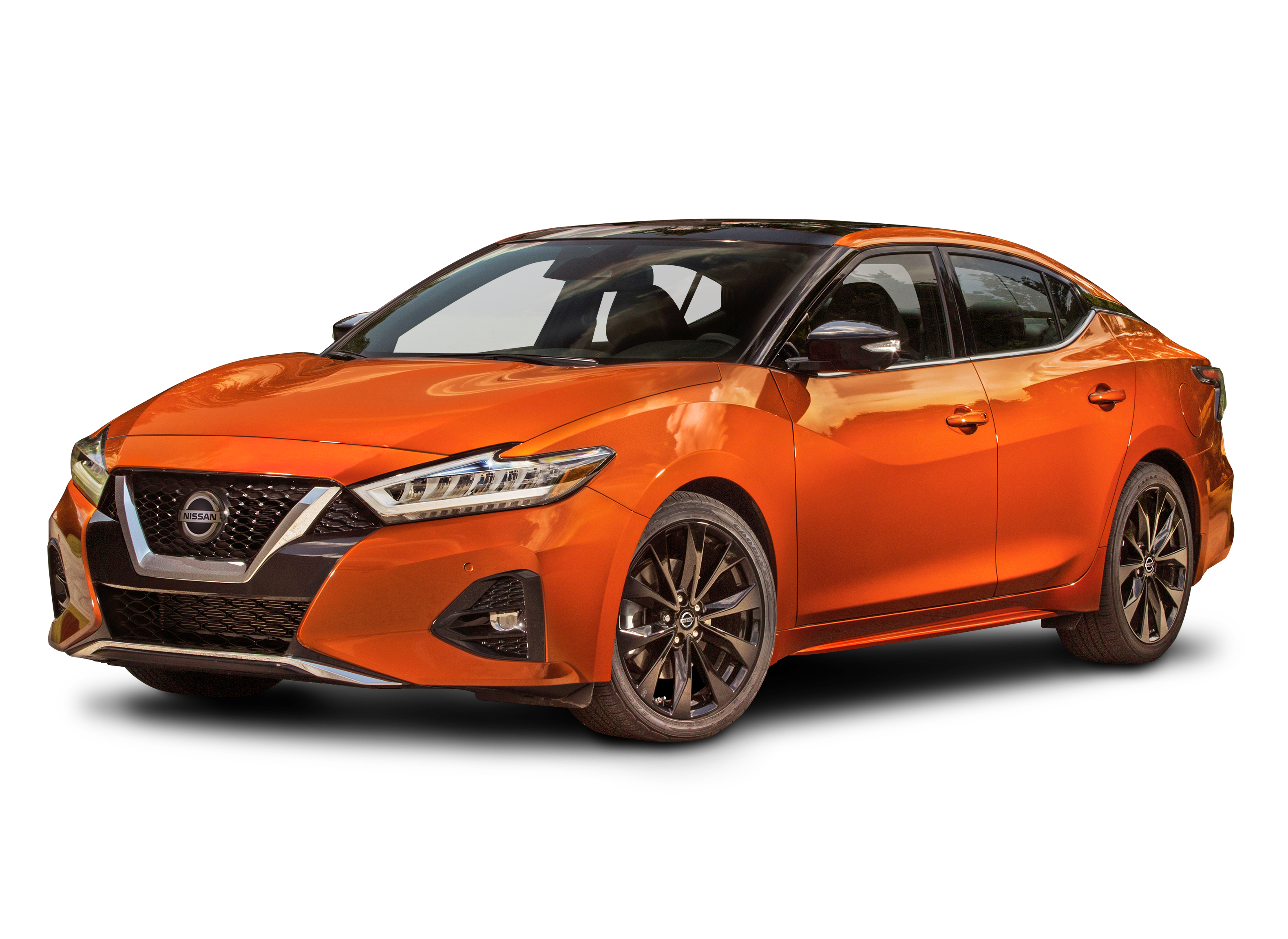
2020
Nissan Maxima
$15,250
2023
Nissan Maxima
$28,875
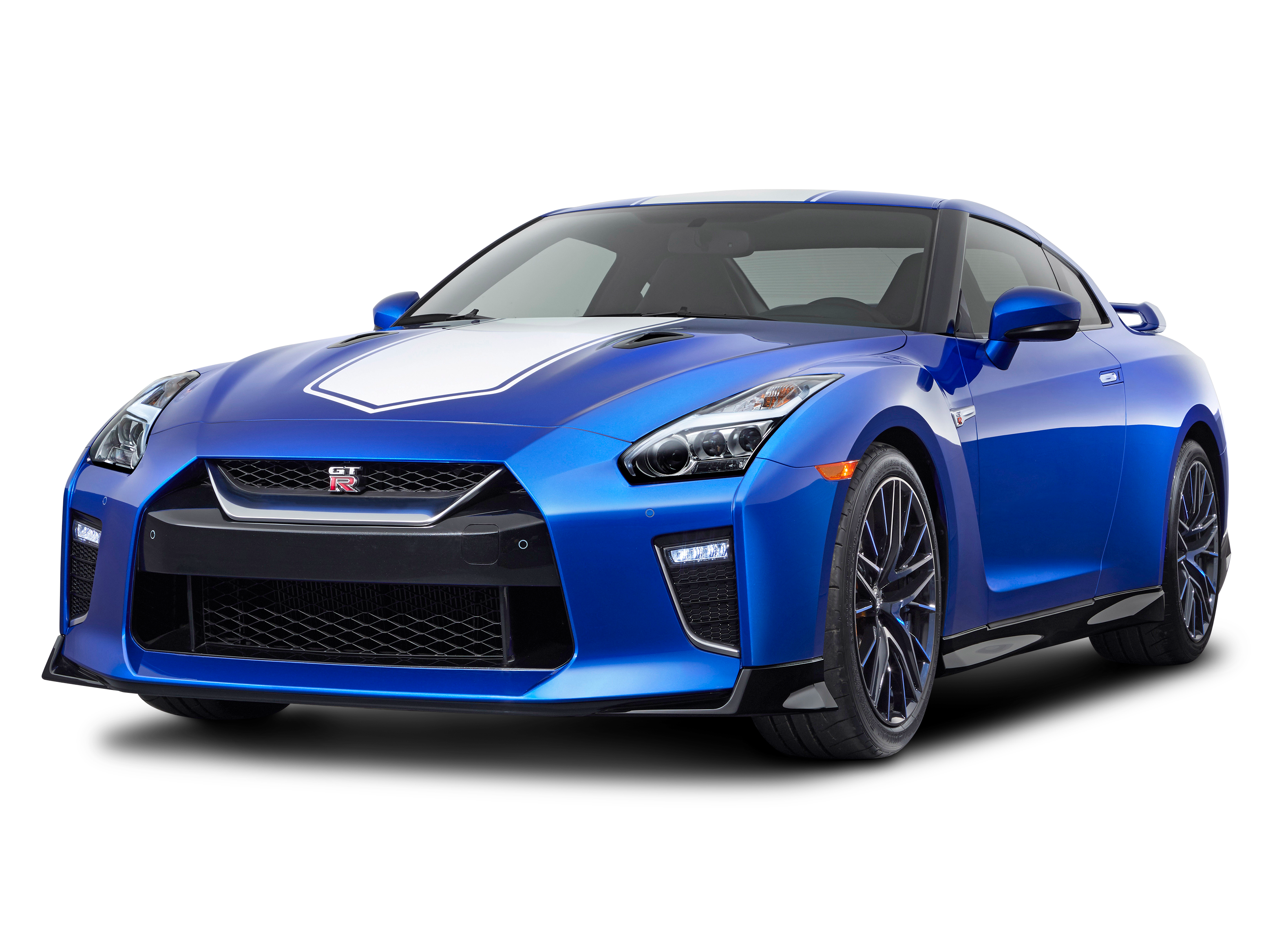
2021
Nissan GT-R
$130,025
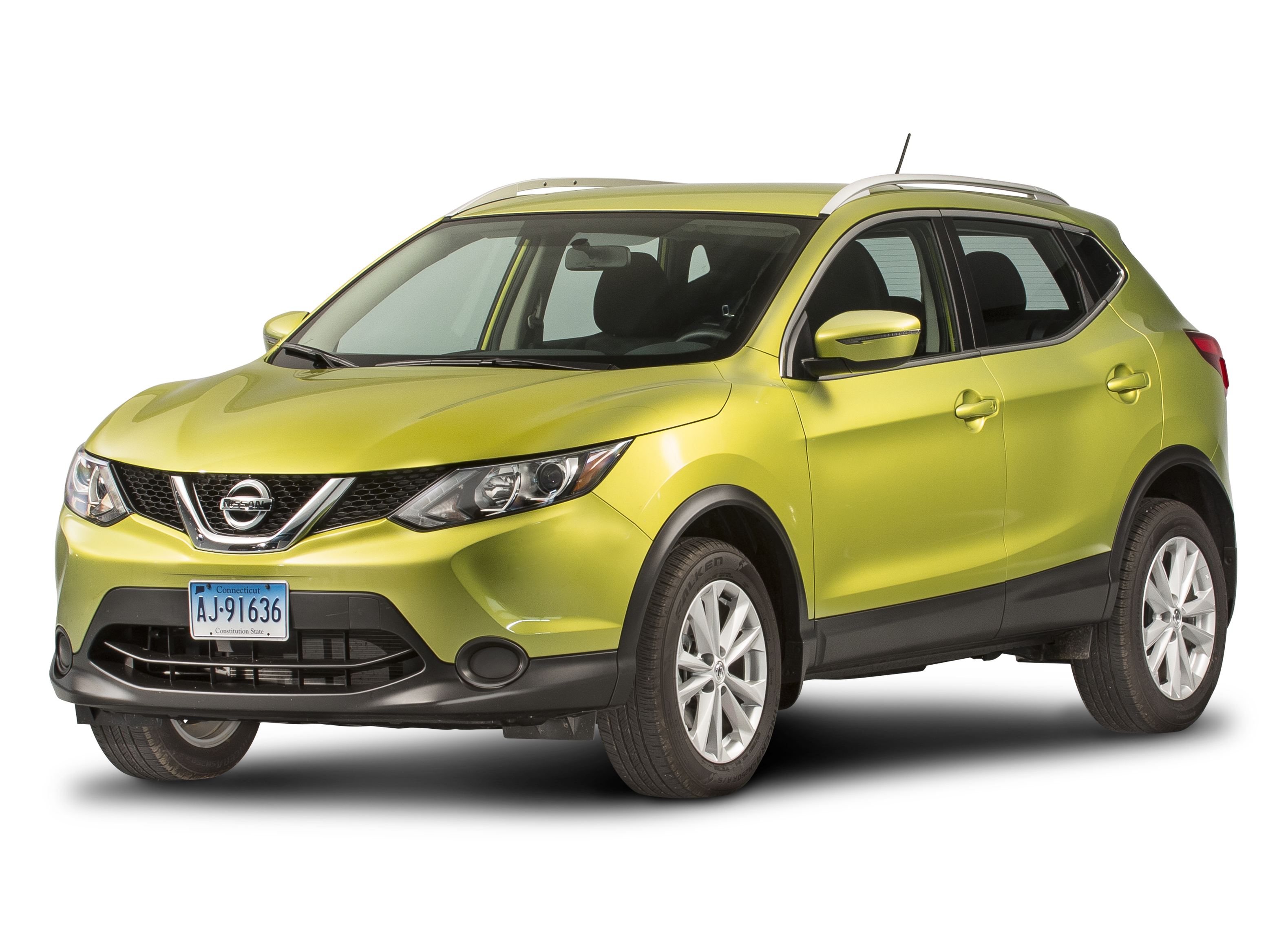
2021
Nissan Rogue Sport
$15,350
2021
Nissan Titan
$23,563