
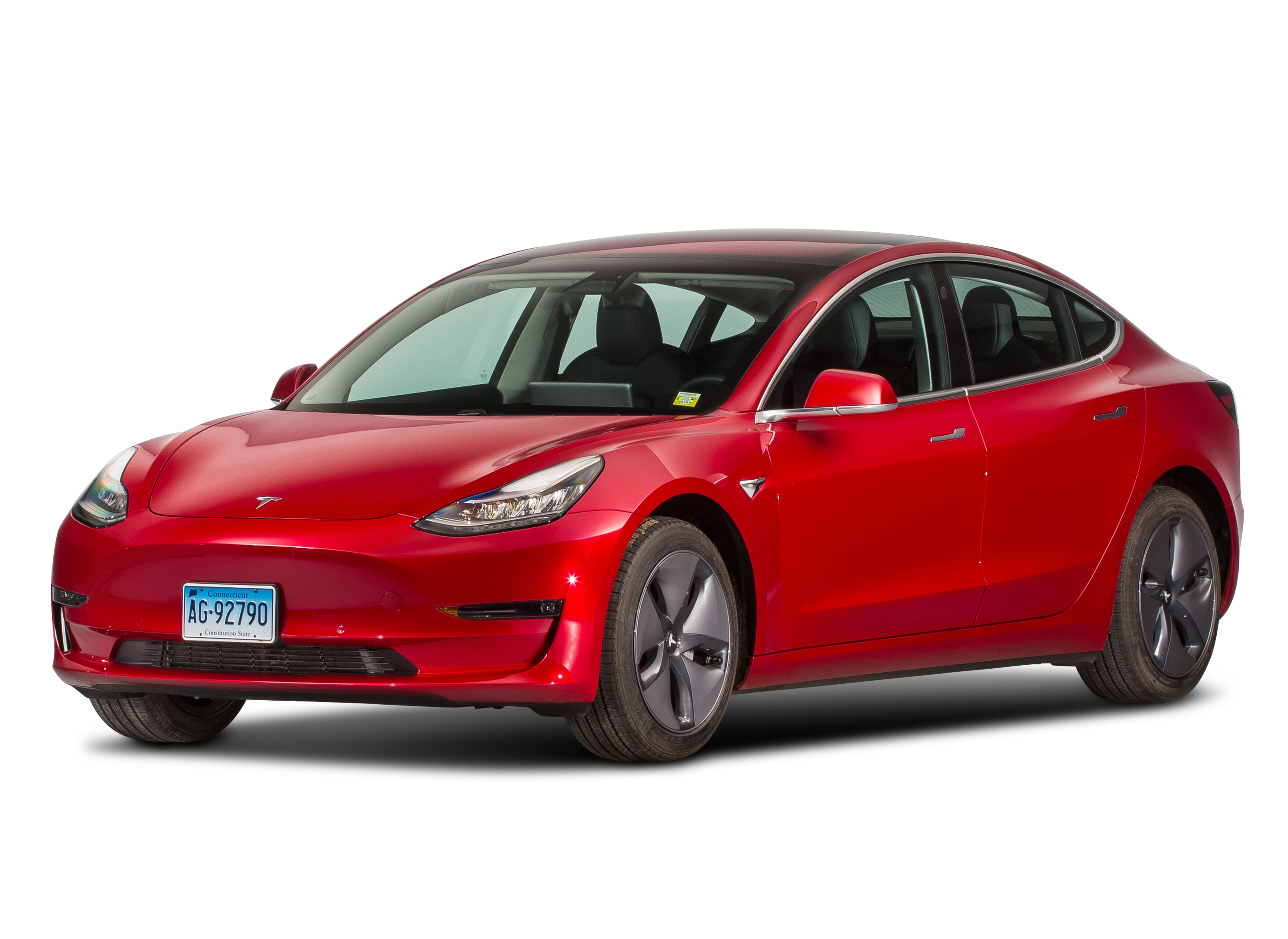
Review and specifications
2022 Tesla Model 3
The latest model to join Tesla's portfolio is the Model 3 sedan, positioned as the most budget-friendly car in the line. The Model 3 with the 60-kWh battery promises an EPA-rated 215-mile range, swift acceleration, and a full suite of standard advanced safety features. There is also a higher-performance 75-kWh version with dual motors. All Model 3s come equipped with the Autopilot suite of advanced driver-assistance features, which can be enabled via an over-the-air software upgrade. Sized and priced to compete with the BMW 3 Series, the Model 3 seats five in its stark cabin. The dash is barren, except for a massive landscape-oriented touchscreen. Changes for 2019 included new software updates, such as Sentry Mode, which uses the car's cameras to monitor the car's surroundings. Dog mode, which runs the AC when a dog is left inside, is also new. A display on the car's screen asks by-passers not to break a window to save the dog. Other changes for 2019 included Tesla's new Navigate on Autopilot software, which lets drivers choose whether the car can automatically change lanes without their input.
- Market value
- $24,275
- Fuel
- Electric
- Transmission
- Automatic
- Seats
- 5
At a glance
Model data
Overview
- Powertrain
- Electric
- Body style
- sedan
- Drive type
- AWD
- Transmission
- Direct, 1-speed
- Category
- Electric cars
- Generation began
- 2017
Pricing
- Current retail median
- $24,275
- Retail value range
- $21,825 - $26,250
- Original MSRP range
- $46,990 - $62,990
- Trade-in range
- $18,730 - $23,290
Ratings
- Road test score
- 80/100
- Owner satisfaction
- 3/5
- Would buy again
- 50%
- Reliability
- 2/5
Fuel economy
- EPA combined
- 134 MPG
- Cruising range
- 310 miles
Road tests
- 0-30 mph
- 2.4 sec
- 0-60 mph
- 5.3 sec
- 60-0 mph braking
- 133 ft
- Avoidance speed
- 55 mph
- Test status
- Test Completed
Dimensions
- Length
- 185 in
- Width
- 73 in
- Height
- 57 in
- Wheelbase
- 113 in
- Weight
- 3,895 lb
- Maximum load
- 890 lb
- Towing capacity
- 0 lb
Interior
- Seating
- 5 people
- Front head room
- 6 in
- Front leg room
- 42.5 in
- Rear head room
- 3.5 in
- Rear leg room
- 29 in
- Luggage
- 2+2+0
Owner feedback
- Comfort
- 2/5
- Driving
- 5/5
- Styling
- 4/5
- Value
- 1/5
Environmental impact
- Air pollution score
- 10/10
- Greenhouse gas score
- 10/10
- SmartWay
- Elite
Brand context
About Tesla
<p>Tesla’s EVs balance range, performance, innovative technology, and price in ways that older, established manufacturers can rarely beat. The product range includes the popular Model 3 sedan and Model Y SUV. Its range-topping Model S and Model X will be discontinued, leaving the Cybertruck as its flagship… until the roadster arrives. The company’s Supercharger network of charging stations has been a competitive advantage, although most of the industry has since adopted the charge standard. Reliability has been on the rise. However, purchasing a used Tesla can be a gamble.</p>
Vehicle ID: 23480 First published: November 18, 2021 Updated: June 4, 2026
Values may vary by trim, options, location, and market conditions.
Keep comparing
Related vehicles
2023
Tesla Model 3
$27,075
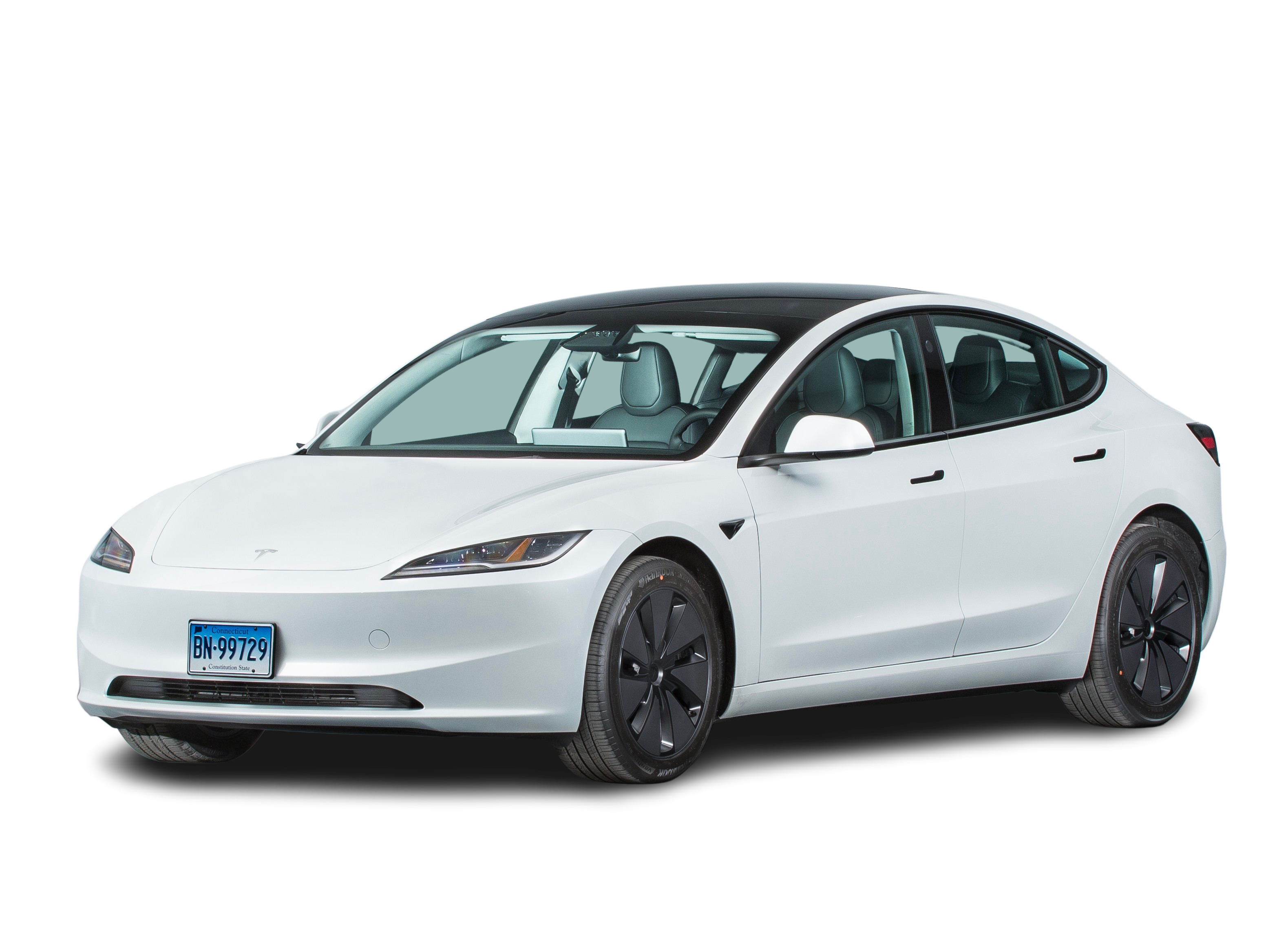
2024
Tesla Model 3
$28,300
2025
Tesla Model 3
$37,775
2026
Tesla Model 3
$39,125
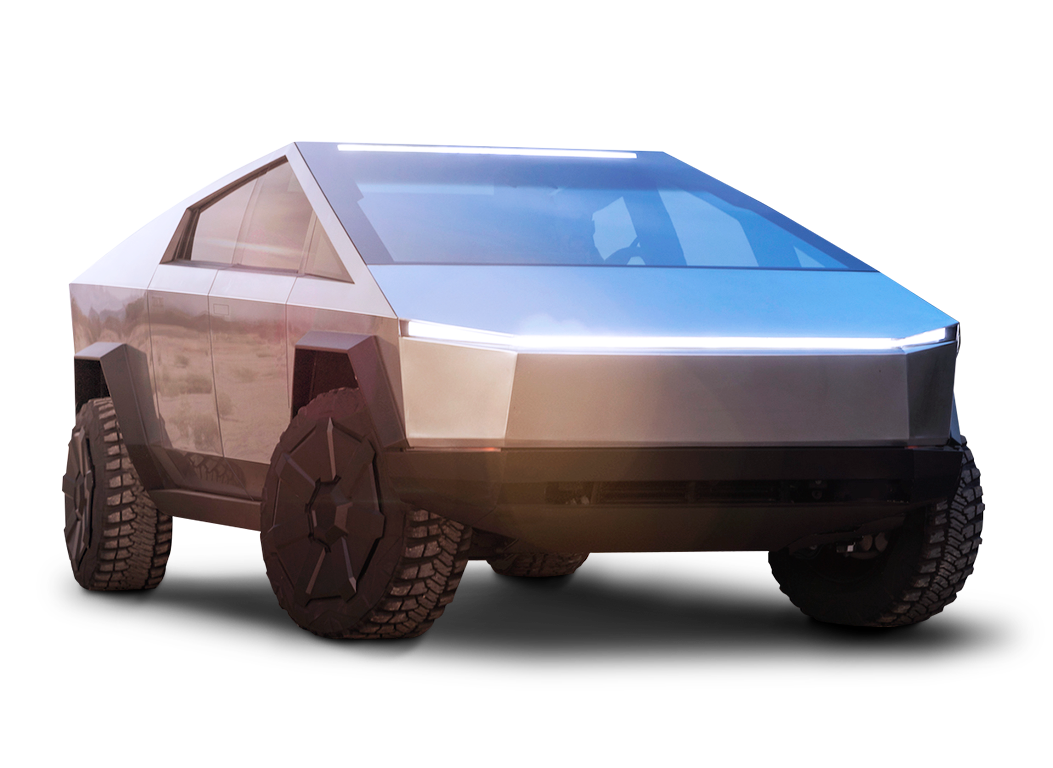
2022
Tesla Cybertruck
$60,990
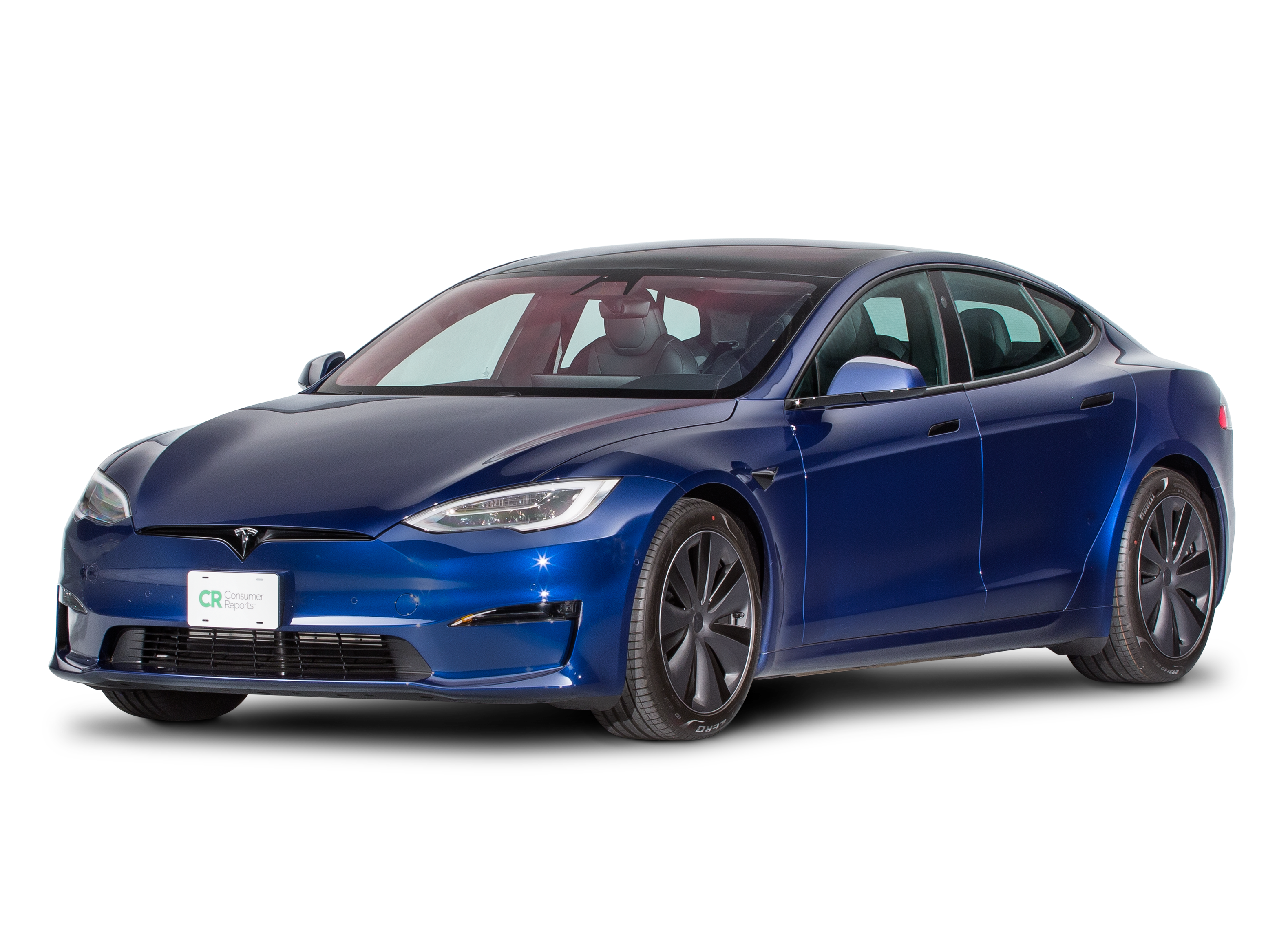
2022
Tesla Model S
$45,850