
Review and specifications
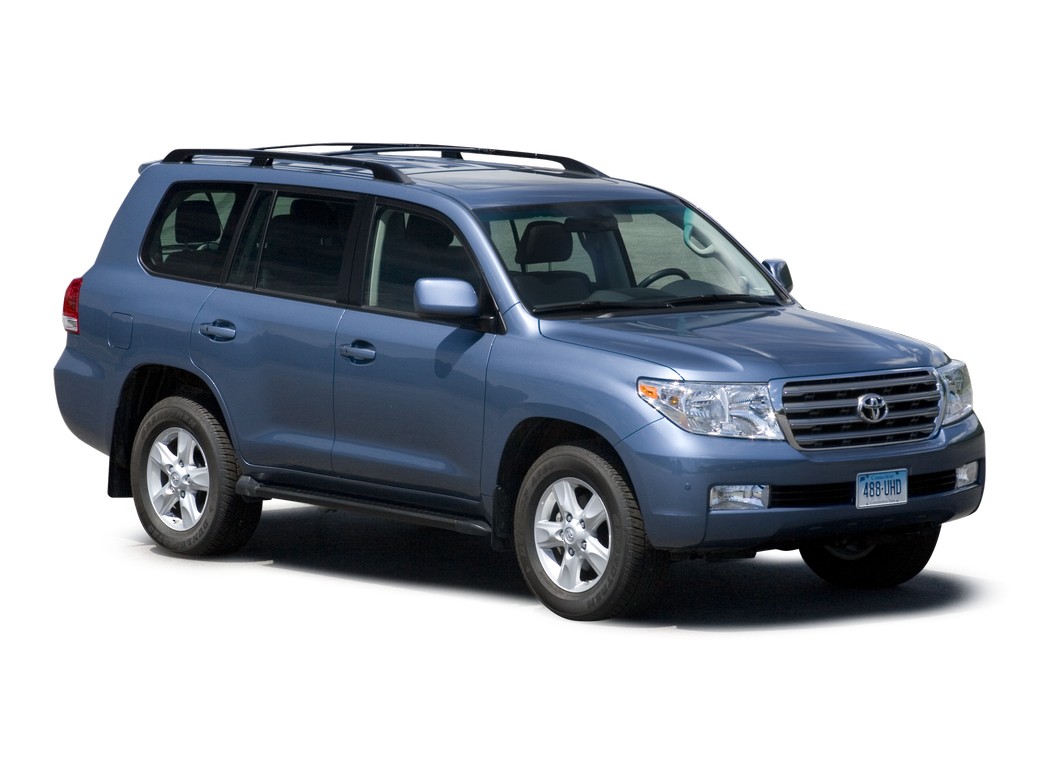
2020 Toyota Land Cruiser
Rare and expensive, the Land Cruiser is Toyota's flagship SUV. A large, full-frame SUV, the Land Cruiser is favored more for its rugged off-road capability than as suburban family transport. The Land Cruiser's smooth 5.7-liter V8 provides muscular acceleration, but only returns 14 mpg overall. Handling is sound, but far from agile. It's clumsy, but secure at its handling limits, with the stability control working hard to keep it on course. The ride remains comfortable and composed, impressive for this off-road-ready SUV. Full-time 4WD and various electronic aids, including a mode that can automatically modulate the throttle to crawl uphill, help when playing in the dirt. The interior is roomy, quiet, and well finished. For such a large vehicle, interior space isn't packaged very efficiently. The third row is cramped, and its 50/50 split seats fold up against the sides of the cargo bay, rather than into the floor, consuming cargo space. Advanced safety gear expected for this price, like blind spot warning and forward collision warning, finally showed up for 2016 along with a new interior. The Lexus LX is essentially the same vehicle, but with an even plusher cabin; increased availability might make the Lexus the better deal on the used market. A limited-production Heritage Edition was new for 2020, with exclusive exterior and interior trim details, but does without the standard model’s running boards and third-row seat. 2021 was this big SUV's last year.
- Market value
- $71,088
- Fuel
- Conventional
- Transmission
- Automatic
- Seats
- 8
At a glance
Model data
Overview
- Powertrain
- Conventional
- Body style
- 4-door SUV
- Drive type
- 4WD
- Transmission
- Automatic, 8-speed
- Category
- Luxury SUVs 3-row
- Generation began
- 2008
Pricing
- Current retail median
- $71,088
- Retail value range
- $70,025 - $72,150
- Original MSRP range
- $85,415 - $87,745
- Trade-in range
- $65,615 - $67,625
Ratings
- Road test score
- 68/100
Fuel economy
- EPA city
- 13 MPG
- EPA highway
- 18 MPG
- EPA combined
- 15 MPG
- Tested city
- 10 MPG
- Tested highway
- 20 MPG
- Tested overall
- 14 MPG
- Annual fuel cost
- $2,705
- Cruising range
- 355 miles
Road tests
- 0-30 mph
- 2.8 sec
- 0-60 mph
- 7.3 sec
- 60-0 mph braking
- 140 ft
- Avoidance speed
- 46 mph
- Test status
- Test Completed
Dimensions
- Length
- 195 in
- Width
- 78 in
- Height
- 74 in
- Wheelbase
- 112 in
- Weight
- 5,855 lb
- Maximum load
- 1,230 lb
- Towing capacity
- 8,200 lb
Interior
- Seating
- 8 people
- Front head room
- 3.5 in
- Front leg room
- 41.5 in
- Rear head room
- 4.5 in
- Rear leg room
- 31 in
- Cargo volume
- 43 cu ft
- Luggage
- 1+2+0
Environmental impact
- Air pollution score
- 3/10
- Greenhouse gas score
- 1/10
- SmartWay
- No
Brand context
About Toyota
<p>Toyota has a reputation for building efficient and exceptionally reliable vehicles. This holds true in most cases, with a few exceptions. Most of their models do well in our testing, thanks to their impressive fuel economy, comfortable rides, quiet cabins, good controls, and generous standard safety equipment. All of this makes Toyotas among the best options for used vehicles. The brand was a hybrid pioneer, starting with the original Prius. Toyota has evolved and expanded that technology, and most vehicles in its lineup are available as a hybrid. Toyota sells a number of plug-in hybrids and an increasing number of EVs, including the bZ and C-HR. The company also knows how to add a dosage of excitement into its lineup: The GR86, GR Corolla, and Supra are legit, fun-to-drive sports cars.</p>
Vehicle ID: 14403 First published: July 22, 2020 Updated: June 4, 2026
Values may vary by trim, options, location, and market conditions.
Keep comparing
Related vehicles
2021
Toyota Land Cruiser
$74,075
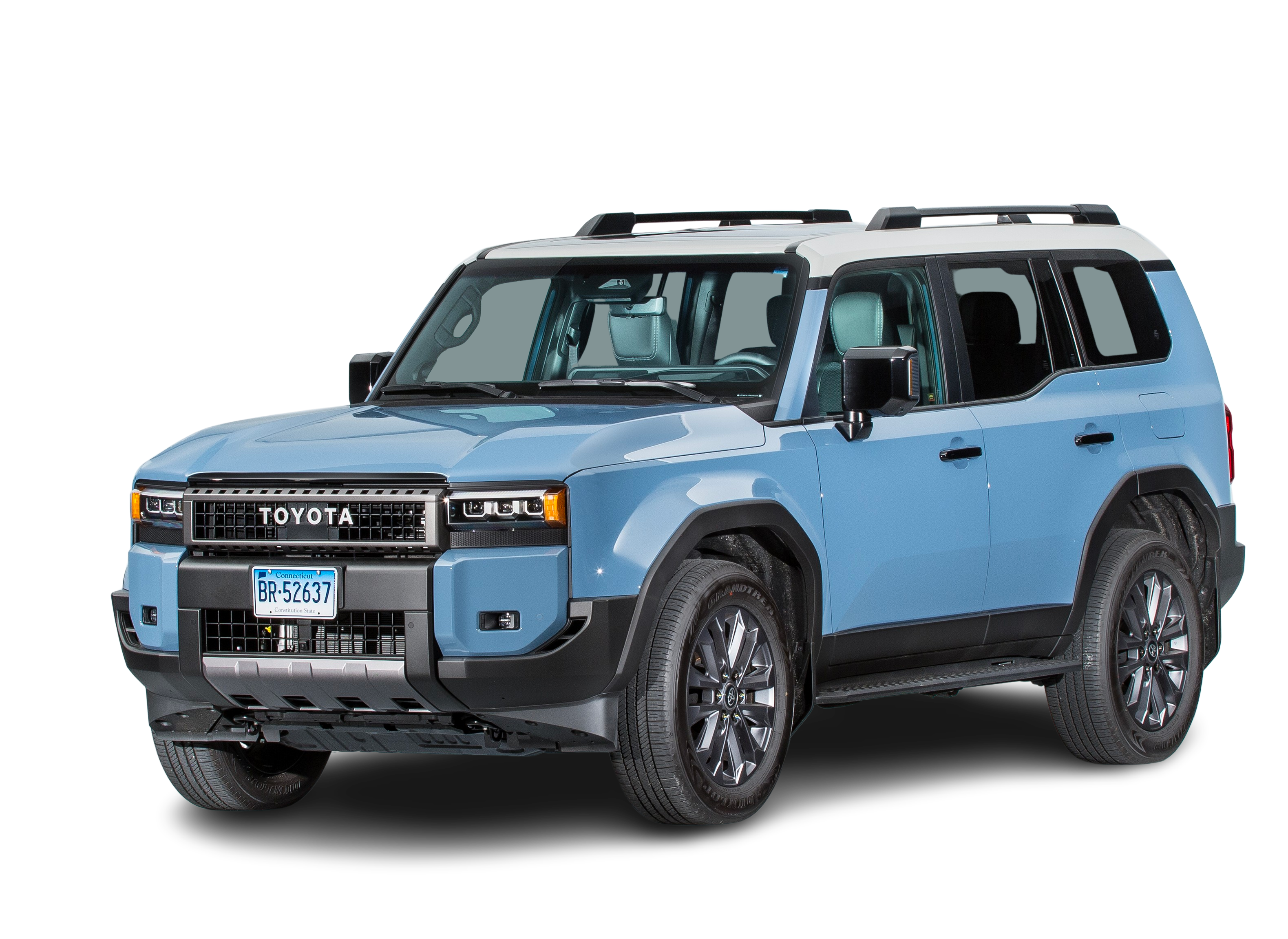
2024
Toyota Land Cruiser
$58,025
2025
Toyota Land Cruiser
$60,375
2026
Toyota Land Cruiser
$65,075
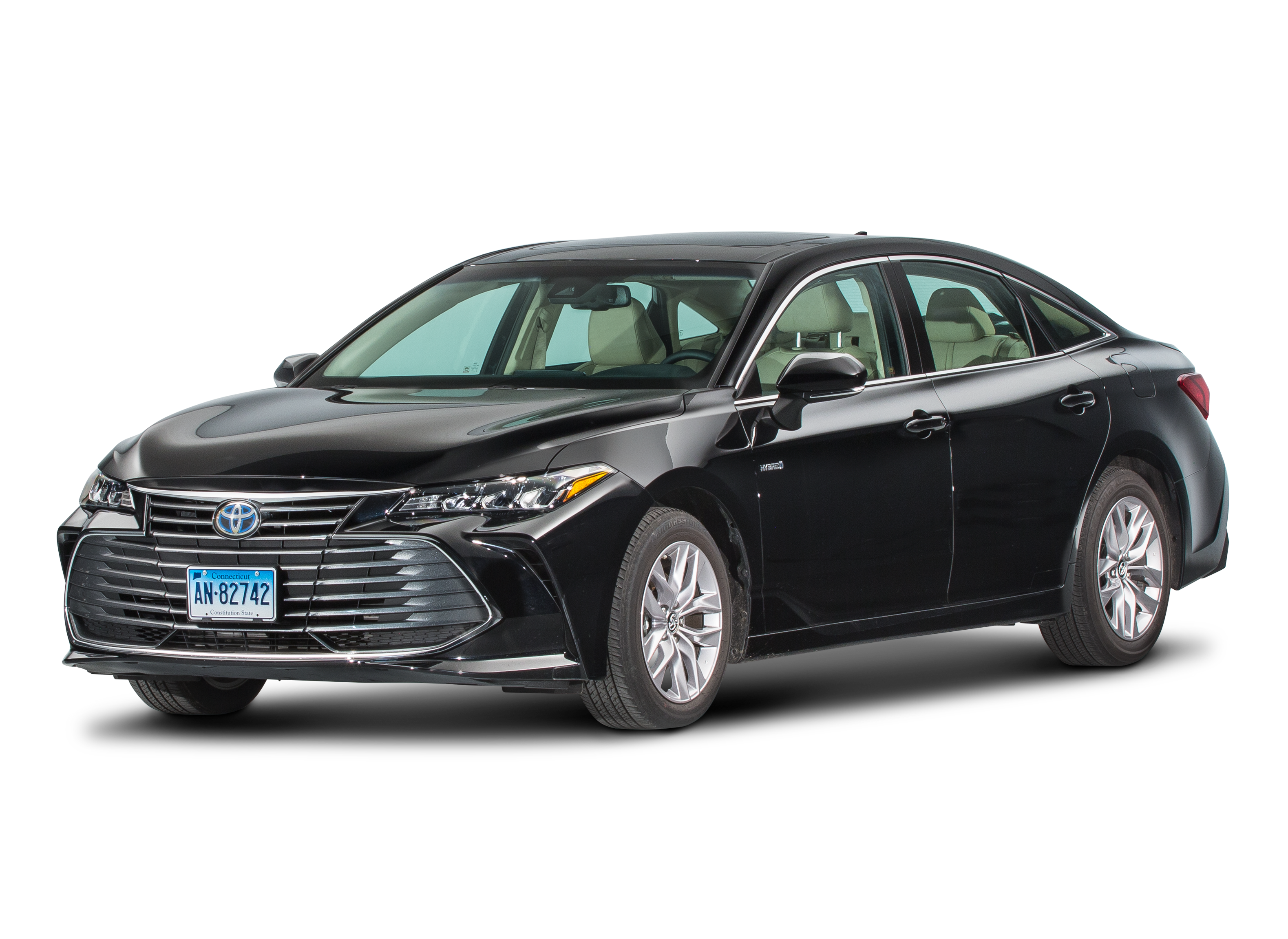
2020
Toyota Avalon
$23,350
2020
Toyota Avalon Hybrid
$23,350