
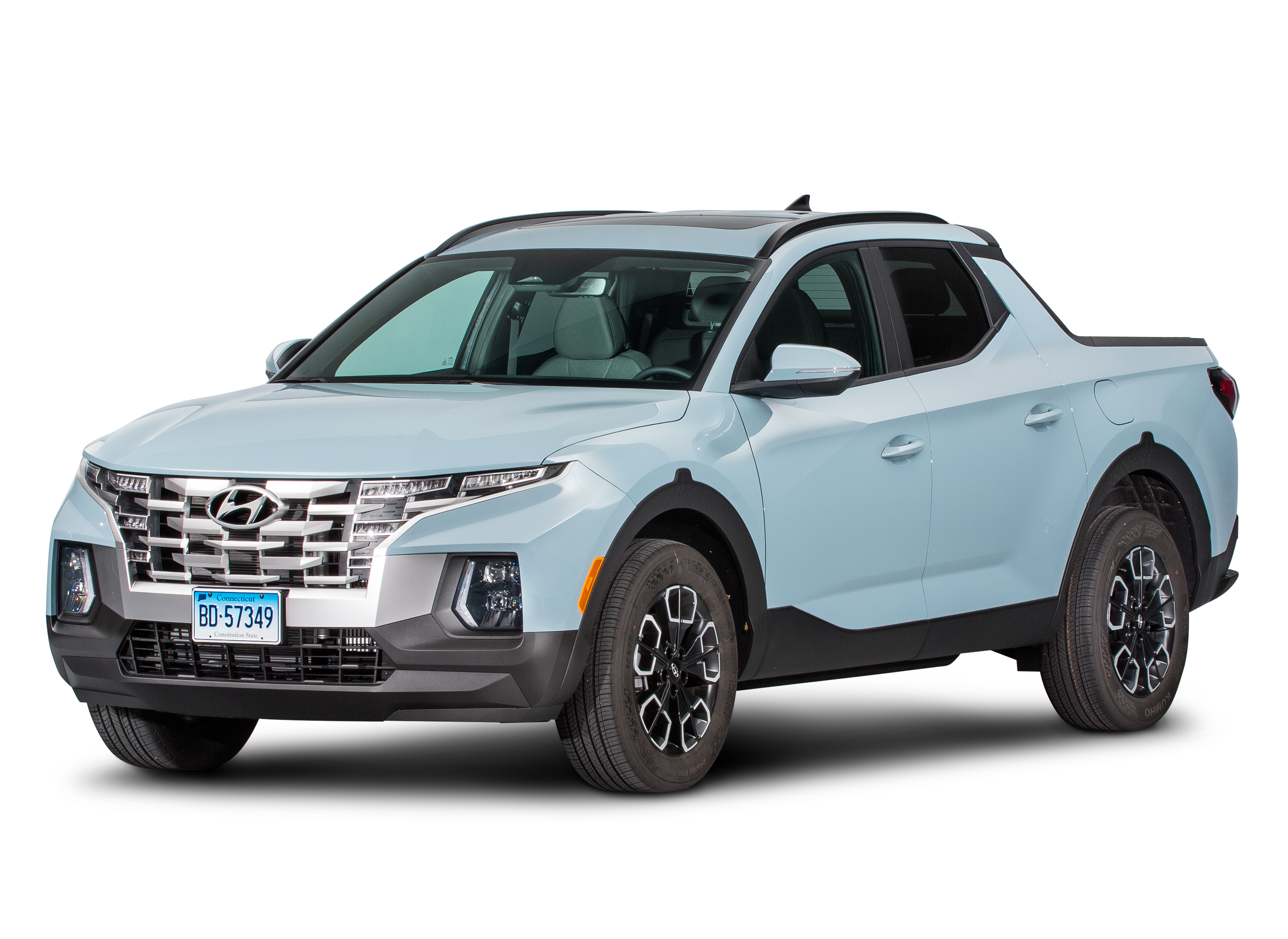
Review and specifications
2022 Hyundai Santa Cruz
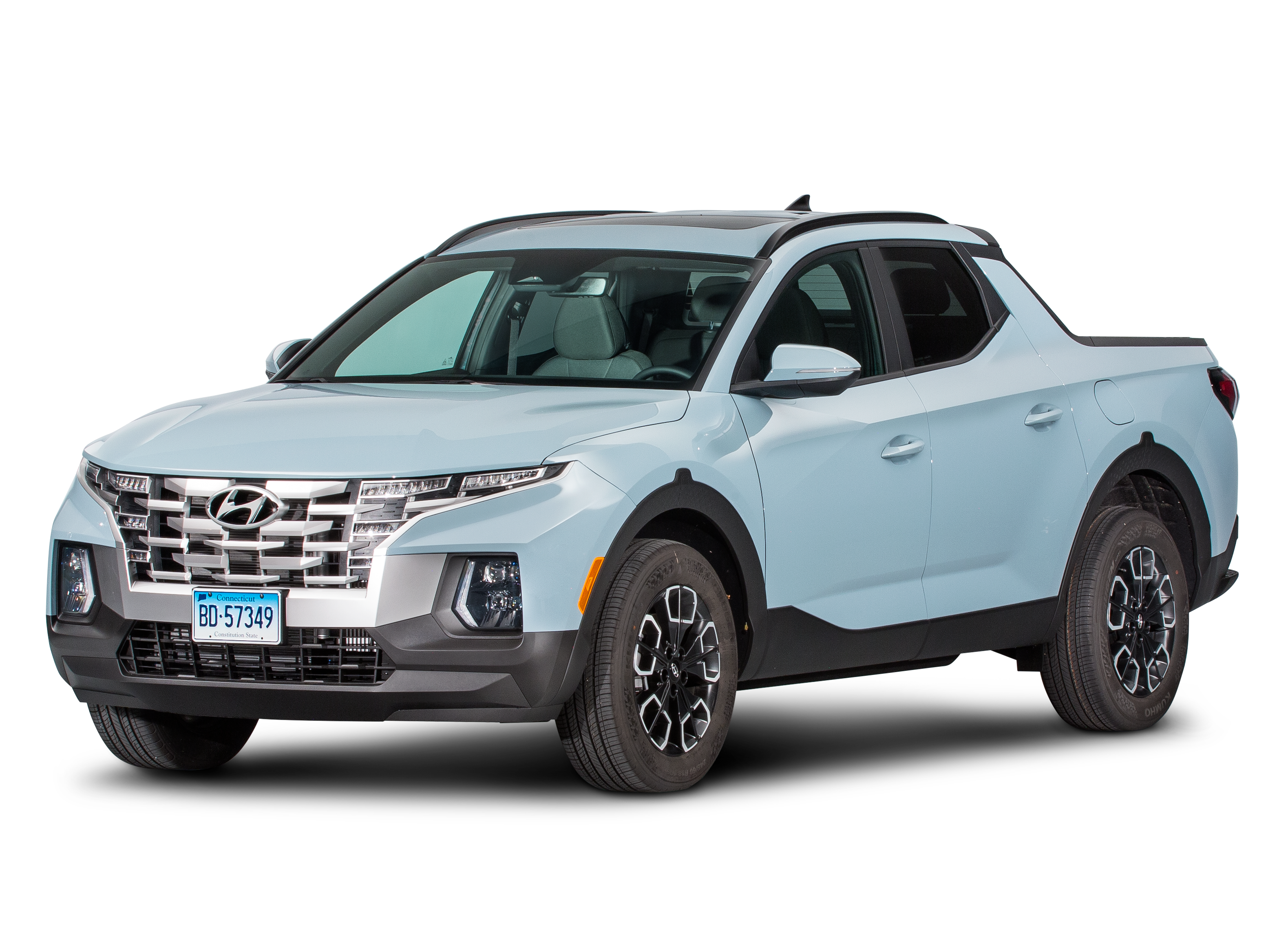
Based on the Tucson, the Santa Cruz melds a small SUV and pickup truck into one vehicle. It is similar in concept to the Honda Ridgeline, albeit smaller. The base engine is a rather strained 2.5-liter four-cylinder engine. Uplevel models come with a powerful turbo engine, making this trucklet quick. Front- or all-wheel drive versions are available. The Santa Cruz drives like a car with responsive handling, comfortable ride and easy maneuverability. But rear visibility is hampered due to the small rear window and thick rear pillar. Maximum tow capacity is 5,000 lbs. The short 52-inch bed has a handy hidden trunk and turbo versions come with a built-in lockable tonneau cover. FCW and AEB with pedestrian detection are standard. BSW and RCTW became standard beginning with the 2023 model year. The Santa Cruz received a refresh for 2025 that includes new front and rear bumpers, along with an updated interior that includes a standard 12.3-inch display.
- Market value
- $21,200
- Fuel
- Conventional
- Transmission
- Automatic
- Seats
- 5
At a glance
Model data
Overview
- Powertrain
- Conventional
- Body style
- crew cab
- Drive type
- AWD
- Transmission
- Automatic, 8-speed
- Category
- Small pickup trucks
- Generation began
- 2022
Pricing
- Current retail median
- $21,200
- Retail value range
- $17,600 - $24,650
- Original MSRP range
- $24,440 - $40,170
- Trade-in range
- $13,830 - $21,745
Ratings
- Road test score
- 77/100
- Owner satisfaction
- 4/5
- Would buy again
- 65%
- Reliability
- 2/5
Fuel economy
- EPA city
- 21 MPG
- EPA highway
- 27 MPG
- EPA combined
- 23 MPG
- Tested city
- 16 MPG
- Tested highway
- 34 MPG
- Tested overall
- 24 MPG
- Annual fuel cost
- $1,630
- Cruising range
- 425 miles
Road tests
- 0-30 mph
- 2.6 sec
- 0-60 mph
- 6.6 sec
- 60-0 mph braking
- 132 ft
- Avoidance speed
- 51.5 mph
- Test status
- Test Completed
Dimensions
- Length
- 196 in
- Width
- 75 in
- Height
- 67 in
- Wheelbase
- 118 in
- Weight
- 4,045 lb
- Maximum load
- 1,410 lb
- Towing capacity
- 5,000 lb
Interior
- Seating
- 5 people
- Front head room
- 5.5 in
- Front leg room
- 42.5 in
- Rear head room
- 5.5 in
- Rear leg room
- 26 in
Owner feedback
- Comfort
- 4/5
- Driving
- 5/5
- Styling
- 5/5
- Value
- 1/5
Environmental impact
- Air pollution score
- 5/10
- Greenhouse gas score
- 5/10
- SmartWay
- No
Brand context
About Hyundai
<p>From low-cost sedans to three-row electric SUVs, Hyundai has a model for almost every kind of customer. Most new Hyundai vehicles are stylish, functional, and competitively priced, but the brand overall ranks around the middle in Consumer Reports’ reliability and owner satisfaction ratings. Performance for individual models and years varies widely, with some standouts and a few laggards. The core Hyundai lineup includes low-cost compact Elantra and midsized Sonata sedan. SUVs include the subcompact Kona and compact Tucson, plus the midsized Santa Fe and larger Palisade, both of which offer hybrid powertrains and three-row seating. In our testing, most Hyundai models are available with a hybrid drivetrain, which adds power and smoothness while improving fuel economy. The Ioniq electric models are high-tech, well-designed, and can charge quite rapidly at public DC fast charging stations.</p>
Vehicle ID: 22064 First published: April 15, 2021 Updated: June 4, 2026
Values may vary by trim, options, location, and market conditions.
Keep comparing
Related vehicles
2023
Hyundai Santa Cruz
$23,825
2024
Hyundai Santa Cruz
$26,000
2025
Hyundai Santa Cruz
$26,513
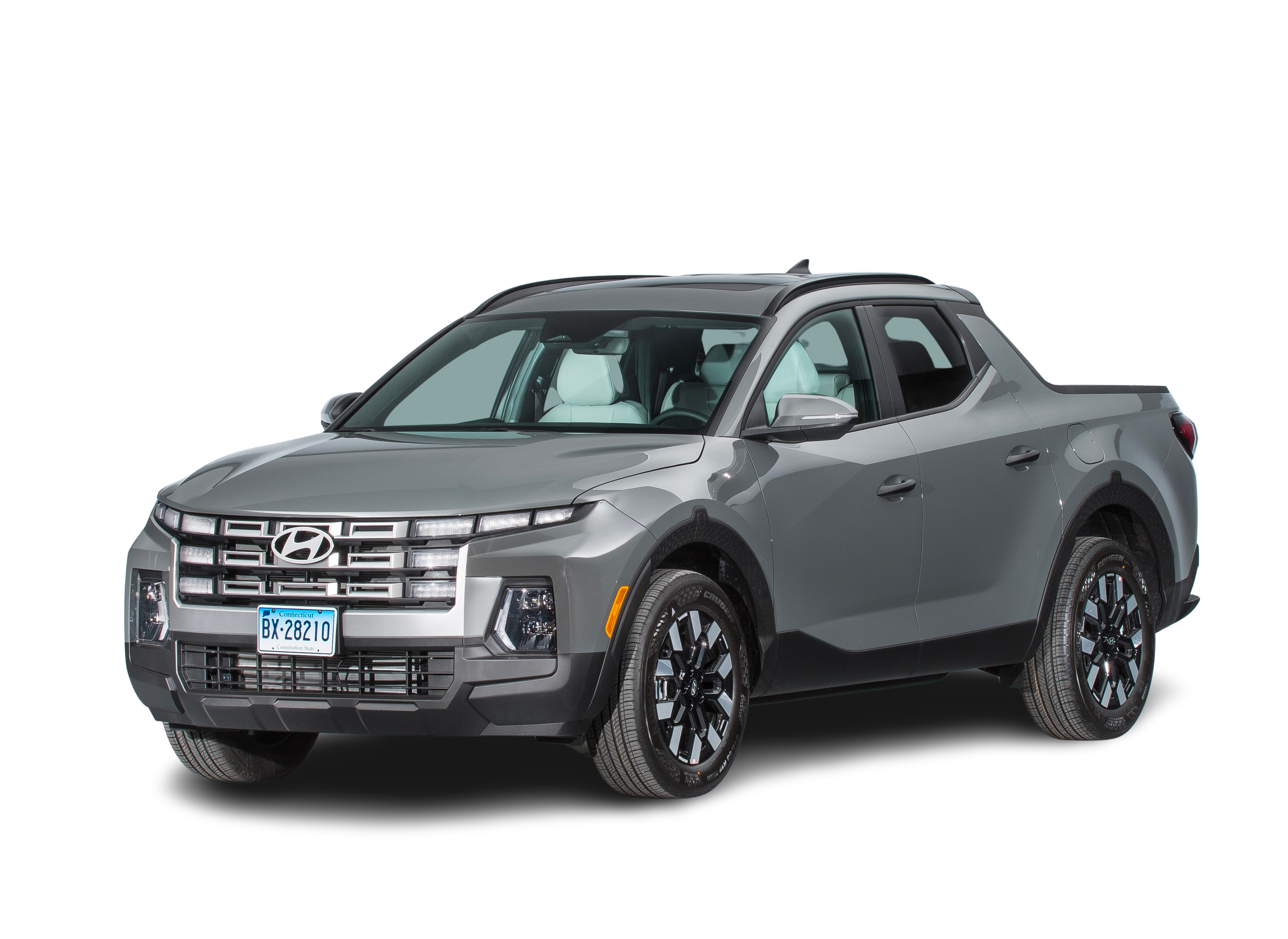
2026
Hyundai Santa Cruz
$30,138
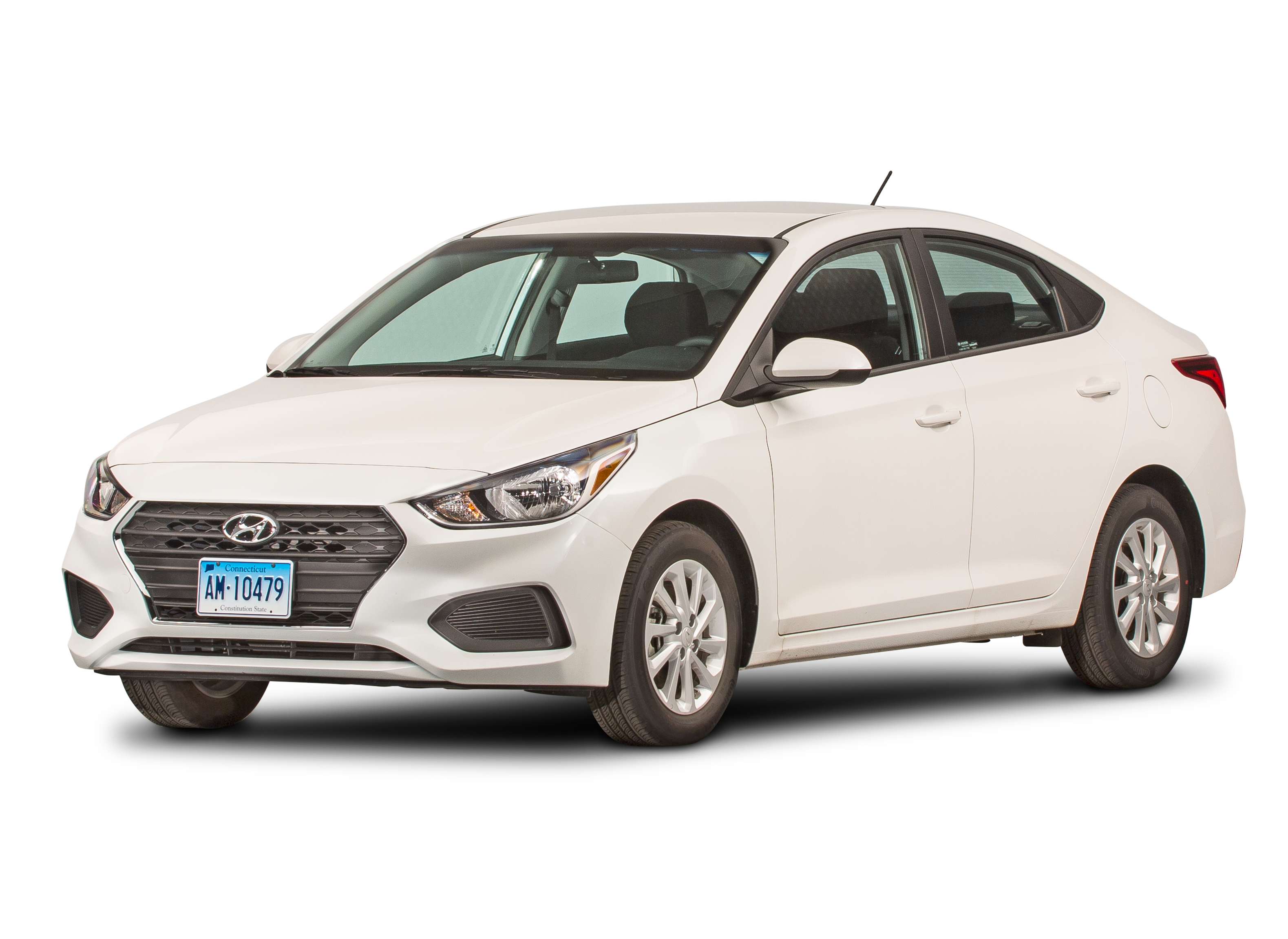
2022
Hyundai Accent
$13,500
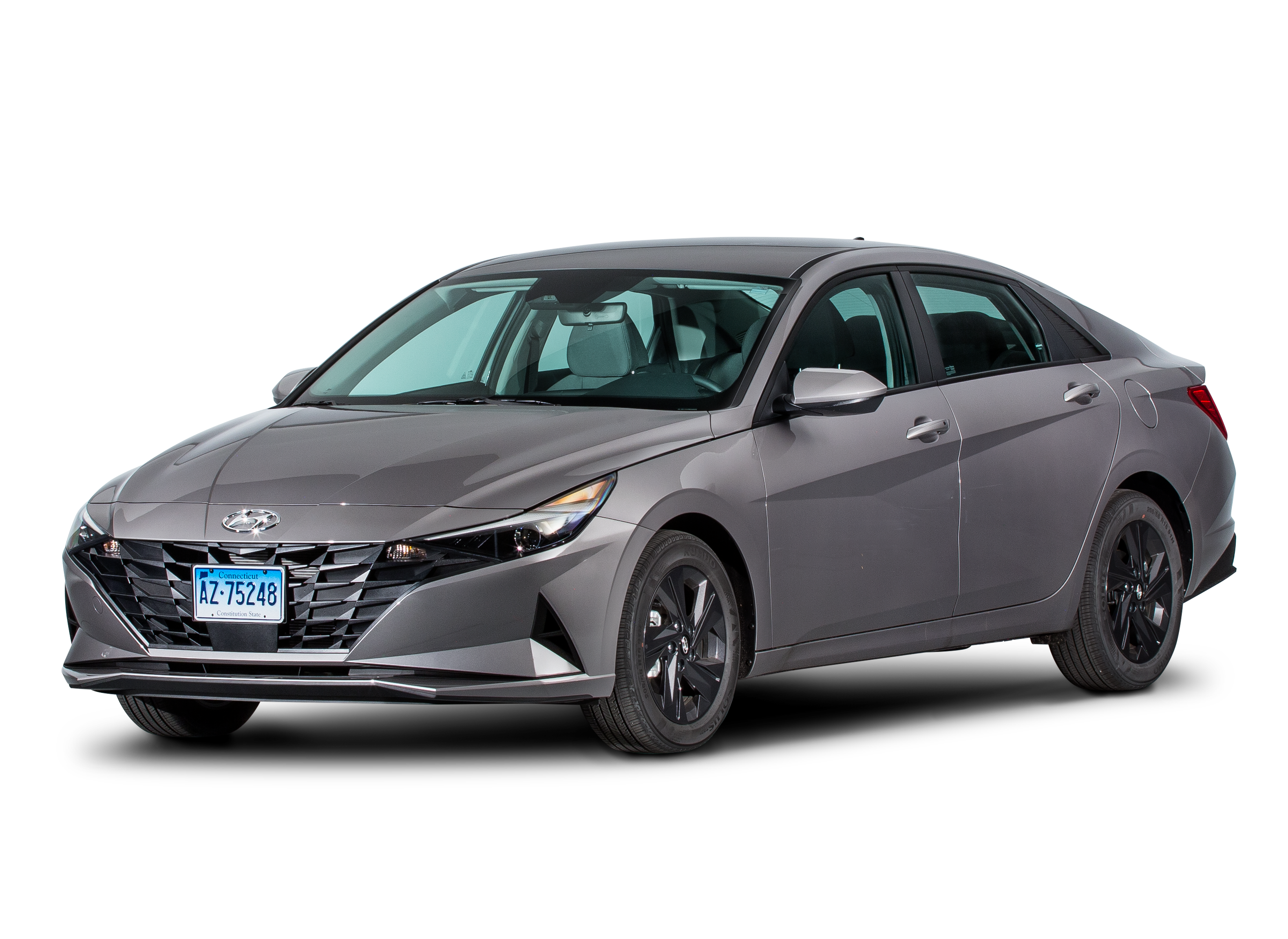
2022
Hyundai Elantra
$17,025