
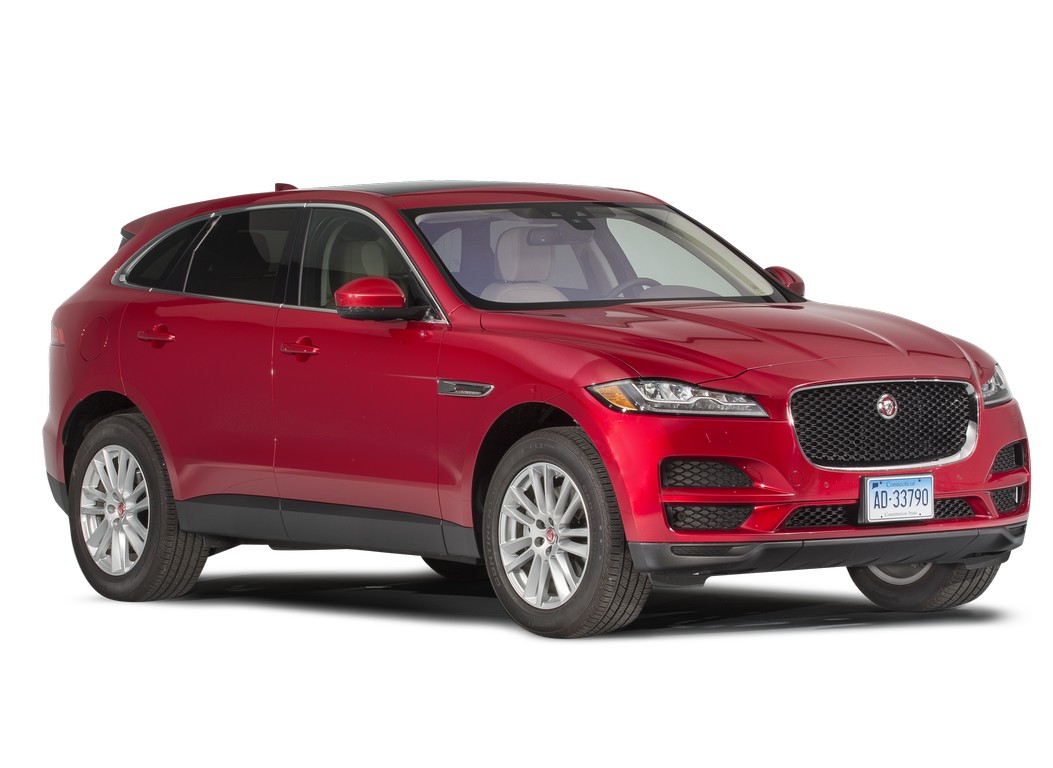
Review and specifications
2023 Jaguar F-Pace
Jaguar's first SUV is based on a rear-wheel-drive platform shared with the XF and new XE. The F-Pace is quick, thanks to its 340-hp, supercharged 3.0-liter V6, but the omnipresent engine drone quickly becomes tiring. The S uses a 380-hp version of this engine, and a 2.0-liter turbodiesel is the base engine. All versions come with an eight-speed automatic and all-wheel drive. The F-Pace is taut and nimble, contributing to the lively driving experience. However, the ride is stiff and choppy. The seats are comfortable, but interior quality isn't as impeccable as in the German competitors. The infotainment system is behind the times, utilizing a slow and fussy touch screen. Active safety features are available if you opt for the vision package. Updates for 2019 included lots of standard safety gear. New features for 2020 include standard Android Auto and Apple CarPlay compatibility, and four-way power lumbar support for front passengers on all but the base model. For 2021, the 3.0-liter supercharged V6 was replaced by a 3.0-liter turbocharged six-cylinder engine. Blind spot warning and rear cross traffic warning are now standard. Models years 2023, 2024, and 2025 are mostly unchanged.
- Market value
- $32,388
- Fuel
- Conventional
- Transmission
- Automatic
- Seats
- 5
At a glance
Model data
Overview
- Powertrain
- Conventional
- Body style
- 4-door SUV
- Drive type
- AWD
- Transmission
- Automatic, 8-speed
- Category
- Luxury compact SUVs
- Generation began
- 2017
Pricing
- Current retail median
- $32,388
- Retail value range
- $24,575 - $51,625
- Original MSRP range
- $52,400 - $89,500
- Trade-in range
- $22,575 - $49,485
Ratings
- Road test score
- 72/100
Fuel economy
- EPA city
- 19 MPG
- EPA highway
- 26 MPG
- EPA combined
- 22 MPG
- Tested city
- 14 MPG
- Tested highway
- 27 MPG
- Tested overall
- 20 MPG
- Annual fuel cost
- $2,440
- Cruising range
- 330 miles
Road tests
- 0-30 mph
- 2.4 sec
- 0-60 mph
- 6 sec
- 60-0 mph braking
- 129 ft
- Avoidance speed
- 50.5 mph
- Test status
- Test Completed
Dimensions
- Length
- 186 in
- Width
- 87 in
- Height
- 66 in
- Wheelbase
- 113 in
- Weight
- 4,350 lb
- Maximum load
- 960 lb
- Towing capacity
- 5,290 lb
Interior
- Seating
- 5 people
- Front head room
- 4 in
- Front leg room
- 41 in
- Rear head room
- 3 in
- Rear leg room
- 27.5 in
- Cargo volume
- 28.5 cu ft
Environmental impact
- Air pollution score
- 7/10
- Greenhouse gas score
- 5/10
- SmartWay
- No
Brand context
About Jaguar
<p>Jaguar is in an extended transition period, marked by production halts and limited new-car offerings. In years past, Jaguar was best known for its legendary sports cars, including the E-Type of the ‘60s and ‘70s, and for its luxurious sedans, such as the XJ. The brand was reborn under Ford’s ownership in the 1990s, then sold to India’s Tata Group where it was merged with Land Rover. Eventually, big cars with wood-and-leather interiors gave way to sportier, fun-to-drive models including some compact and midsized SUVs. Jaguar’s first attempt at an EV, the I-Pace, failed to keep up with the competition, and the XF sedan continued on for years without major updates. Both Jaguar and Land Rover shared some parts and underlying vehicle designs. Neither brand has shed its reputation for reliability issues, which makes it difficult to recommend used models—even though the XE and XF still offer impressive driving excitement and luxury.</p><p><br/></p>
Vehicle ID: 25023 First published: November 15, 2022 Updated: June 4, 2026
Values may vary by trim, options, location, and market conditions.
Keep comparing
Related vehicles
2024
Jaguar F-Pace
$39,000
2022
Jaguar F-Pace
$28,550
2021
Jaguar F-Pace
$22,925
2025
Jaguar F-Pace
$50,425
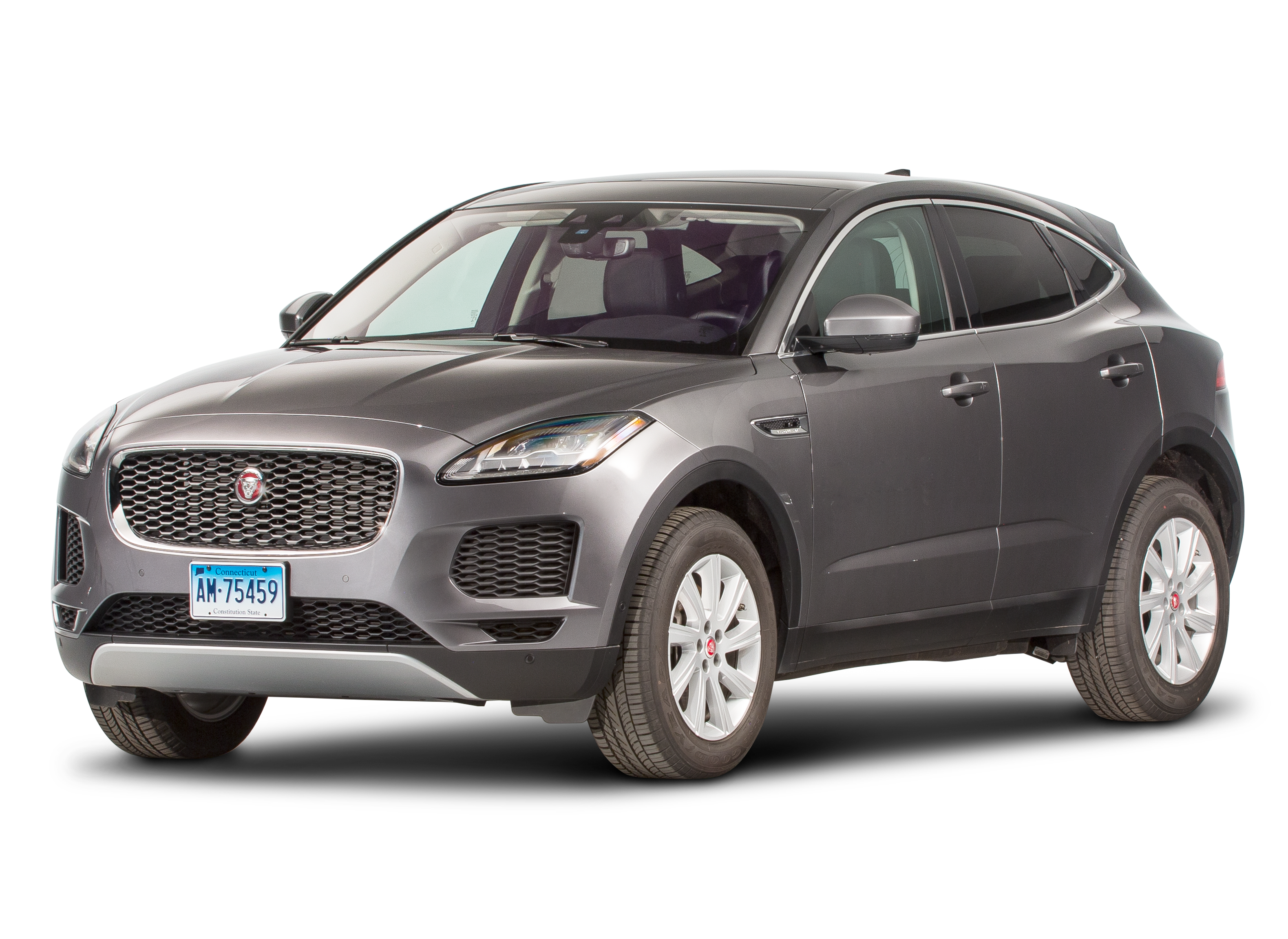
2023
Jaguar E-Pace
$24,675
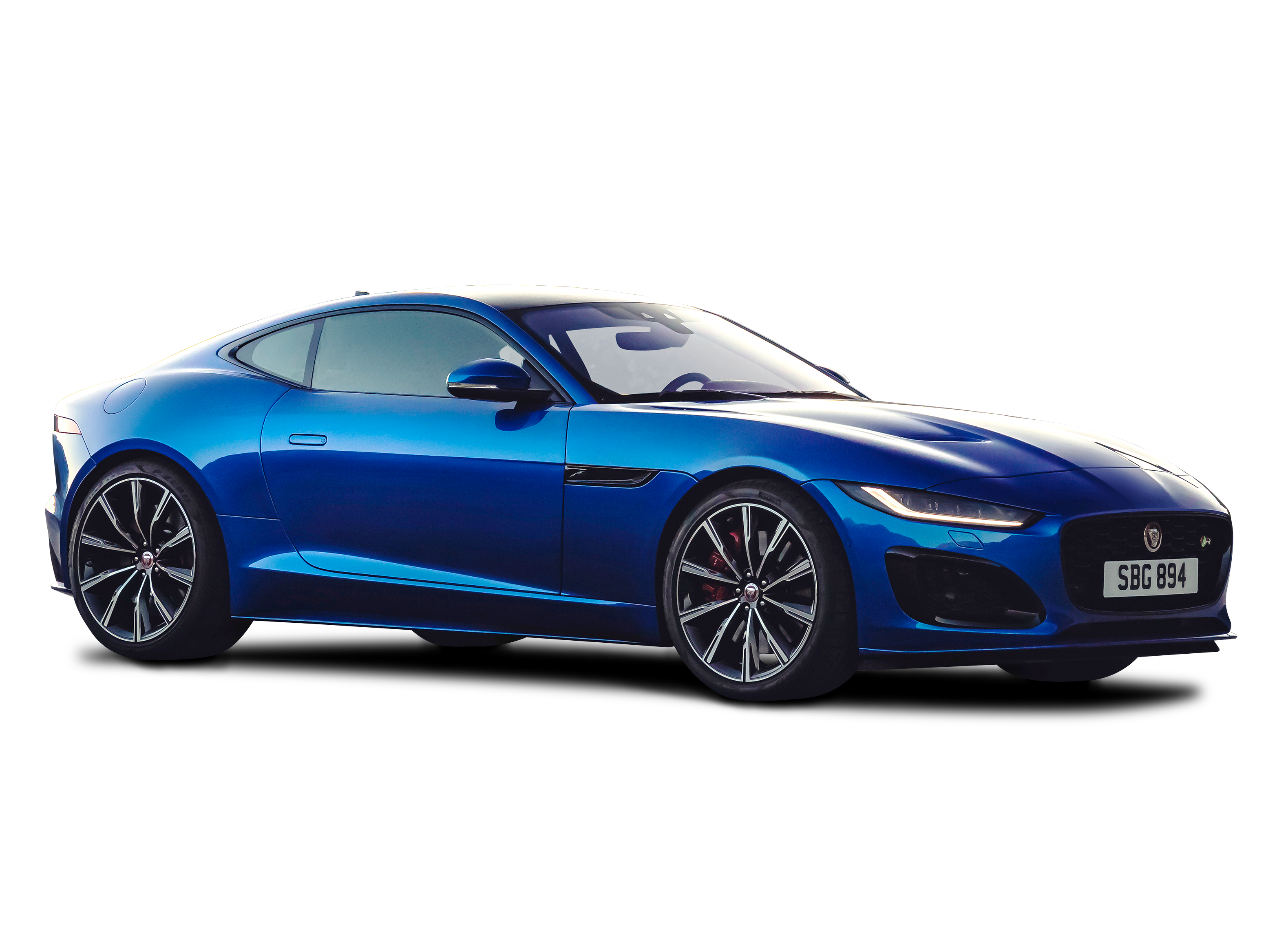
2023
Jaguar F-Type
$51,863