
Review and specifications
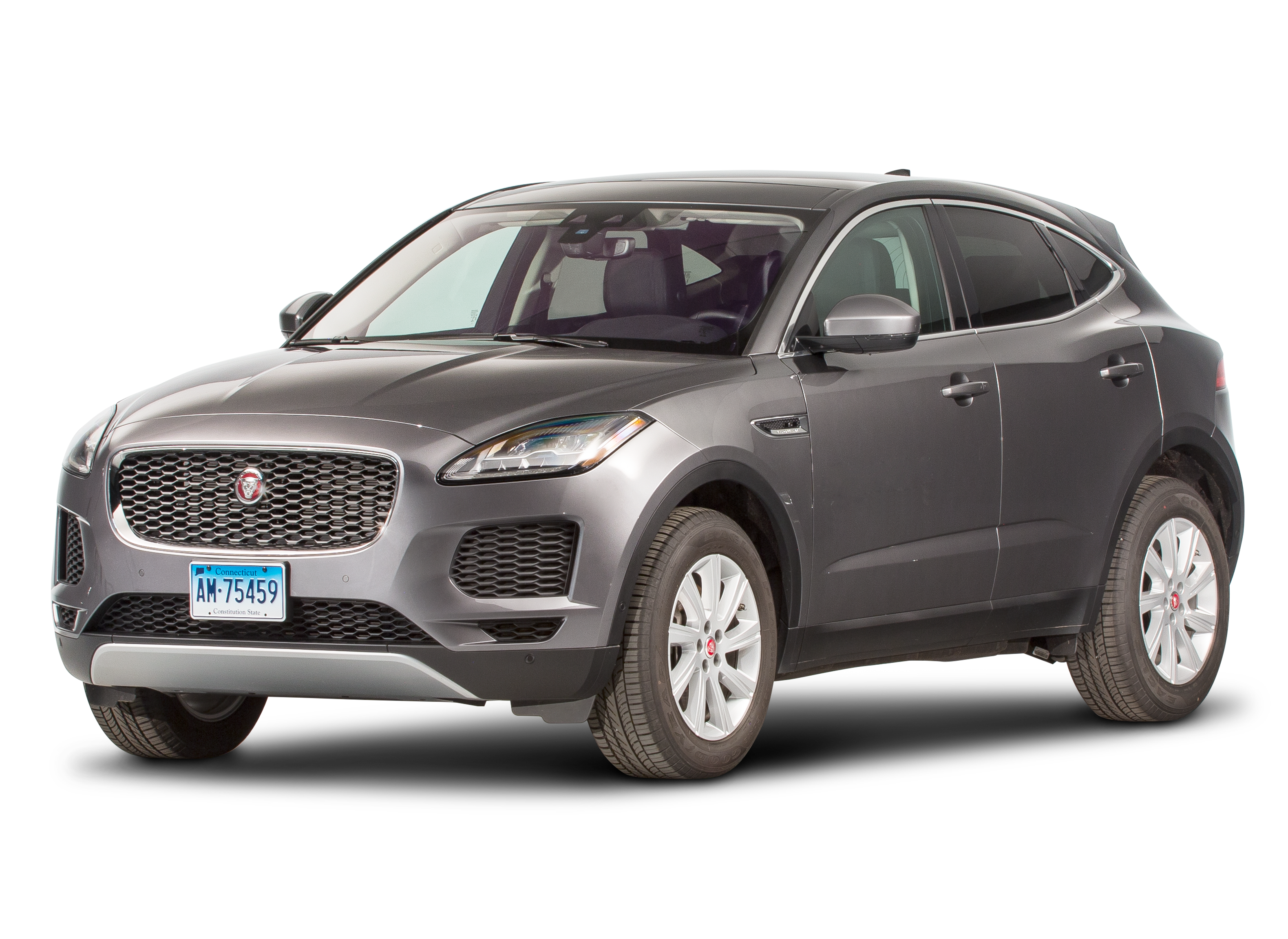
2024 Jaguar E-Pace
The small E-Pace is stylish and nimble. All versions are powered by a 2.0-liter turbo four-cylinder engine, mated to a nine-speed automatic transmission and all-wheel drive. Power delivery is uneven, that is, either lethargic or overly gushing. Fuel economy of 21 mpg overall is not stellar. Handling is agile with sharp steering, making the little Jag fun to drive. The ride, however, is stiff and nervous. Controls, including the touch-screen infotainment system are a bit cumbersome but manageable. Visibility is wanting. Interior ambience is too ordinary and not befitting a car in this class. Forward collision warning, low-speed automatic emergency braking, and lane keeping assistance come standard. Driver assist features, such as adaptive cruise control, and blind spot warning, are optional. 2024 is the final year for the E-Pace.
- Market value
- $28,875
- Fuel
- Conventional
- Transmission
- Automatic
- Seats
- 5
At a glance
Model data
Overview
- Powertrain
- Conventional
- Body style
- 4-door SUV
- Drive type
- AWD
- Transmission
- Automatic, 9-speed
- Category
- Luxury entry-level SUVs
- Generation began
- 2018
Pricing
- Current retail median
- $28,875
- Retail value range
- $28,875 - $28,875
- Original MSRP range
- $49,500 - $49,500
- Trade-in range
- $26,375 - $26,375
Ratings
- Road test score
- 67/100
Fuel economy
- EPA city
- 20 MPG
- EPA highway
- 26 MPG
- EPA combined
- 23 MPG
- Tested city
- 15 MPG
- Tested highway
- 29 MPG
- Tested overall
- 21 MPG
- Annual fuel cost
- $2,305
- Cruising range
- 380 miles
Road tests
- 0-30 mph
- 3.1 sec
- 0-60 mph
- 7.9 sec
- 60-0 mph braking
- 129 ft
- Avoidance speed
- 54 mph
- Test status
- Test Completed
Dimensions
- Length
- 173 in
- Width
- 82 in
- Height
- 65 in
- Wheelbase
- 106 in
- Weight
- 4,130 lb
- Maximum load
- 825 lb
- Towing capacity
- 3,970 lb
Interior
- Seating
- 5 people
- Front head room
- 5.5 in
- Front leg room
- 42.5 in
- Rear head room
- 2.5 in
- Rear leg room
- 27 in
- Cargo volume
- 21.5 cu ft
Environmental impact
- Air pollution score
- 7/10
- Greenhouse gas score
- 5/10
- SmartWay
- No
Brand context
About Jaguar
<p>Jaguar is in an extended transition period, marked by production halts and limited new-car offerings. In years past, Jaguar was best known for its legendary sports cars, including the E-Type of the ‘60s and ‘70s, and for its luxurious sedans, such as the XJ. The brand was reborn under Ford’s ownership in the 1990s, then sold to India’s Tata Group where it was merged with Land Rover. Eventually, big cars with wood-and-leather interiors gave way to sportier, fun-to-drive models including some compact and midsized SUVs. Jaguar’s first attempt at an EV, the I-Pace, failed to keep up with the competition, and the XF sedan continued on for years without major updates. Both Jaguar and Land Rover shared some parts and underlying vehicle designs. Neither brand has shed its reputation for reliability issues, which makes it difficult to recommend used models—even though the XE and XF still offer impressive driving excitement and luxury.</p><p><br/></p>
Vehicle ID: 28604 First published: November 29, 2023 Updated: June 4, 2026
Values may vary by trim, options, location, and market conditions.
Keep comparing
Related vehicles
2023
Jaguar E-Pace
$24,675
2022
Jaguar E-Pace
$20,200
2021
Jaguar E-Pace
$17,225
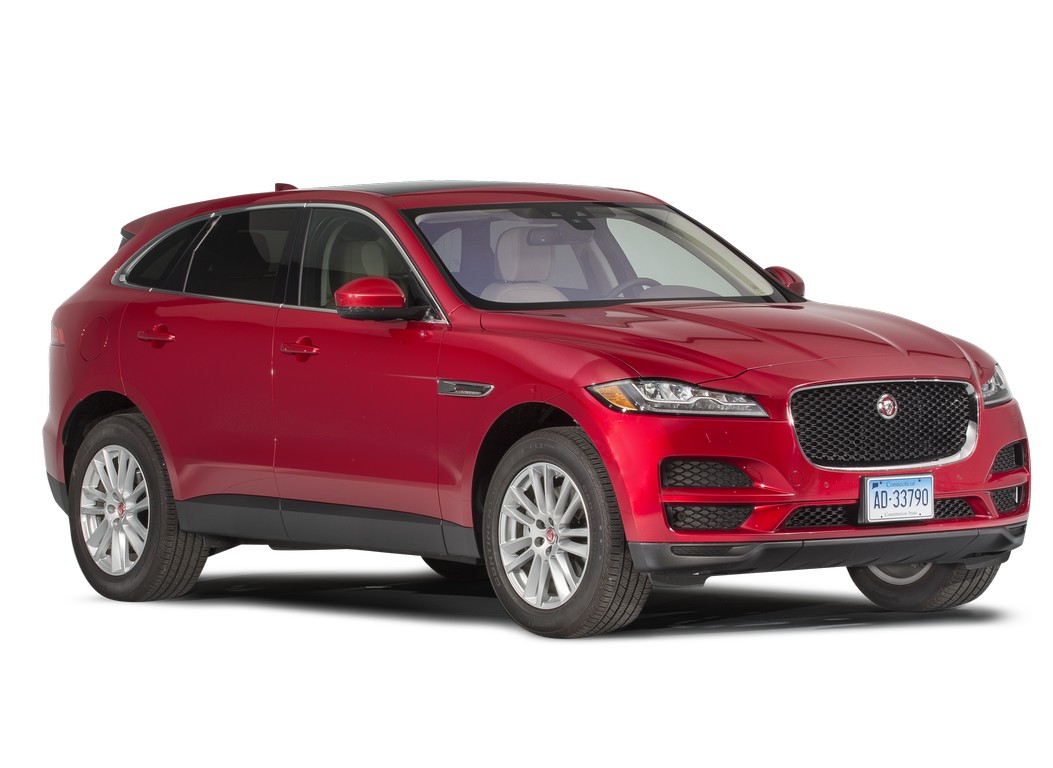
2024
Jaguar F-Pace
$39,000
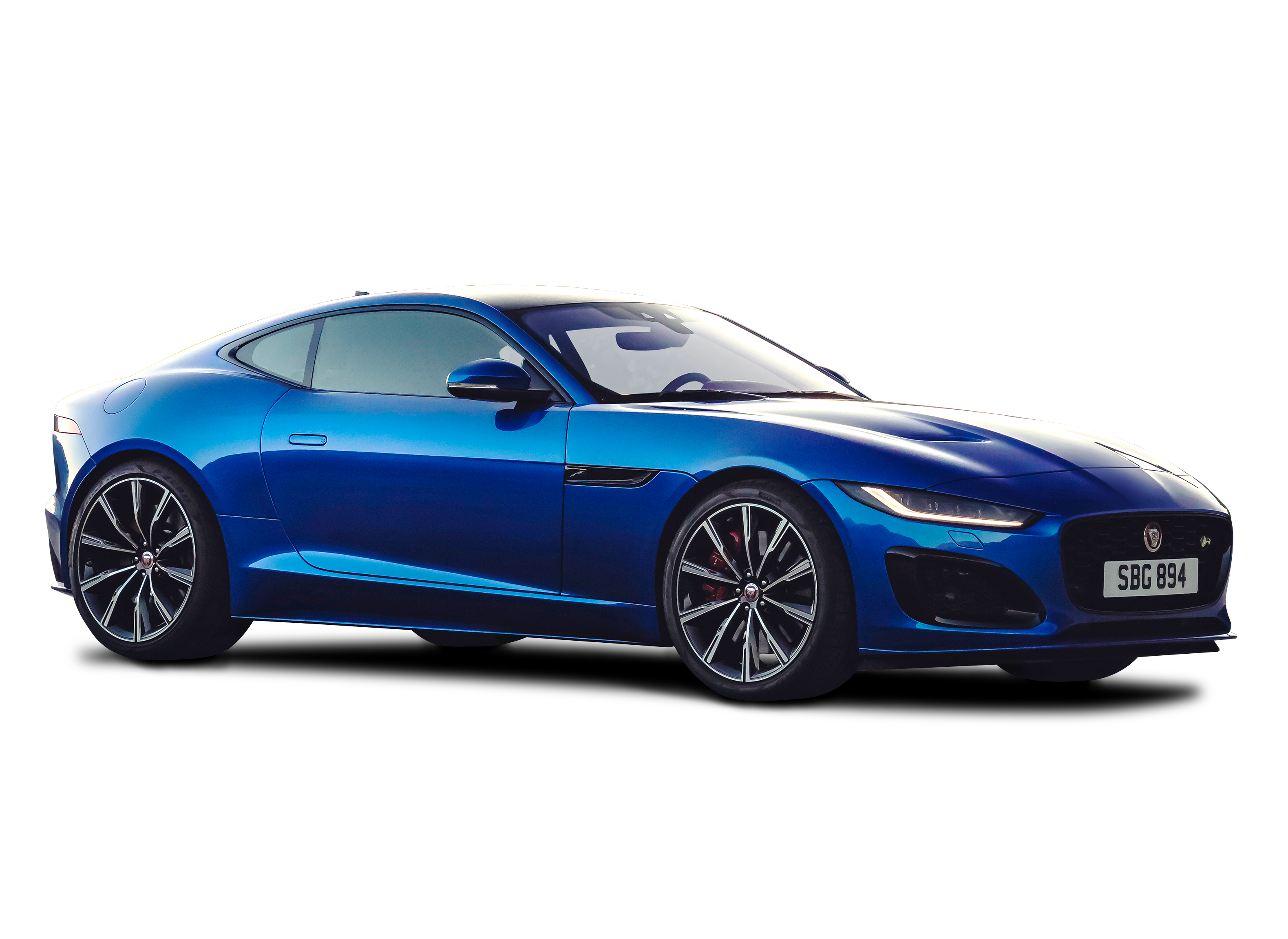
2024
Jaguar F-Type
$65,213
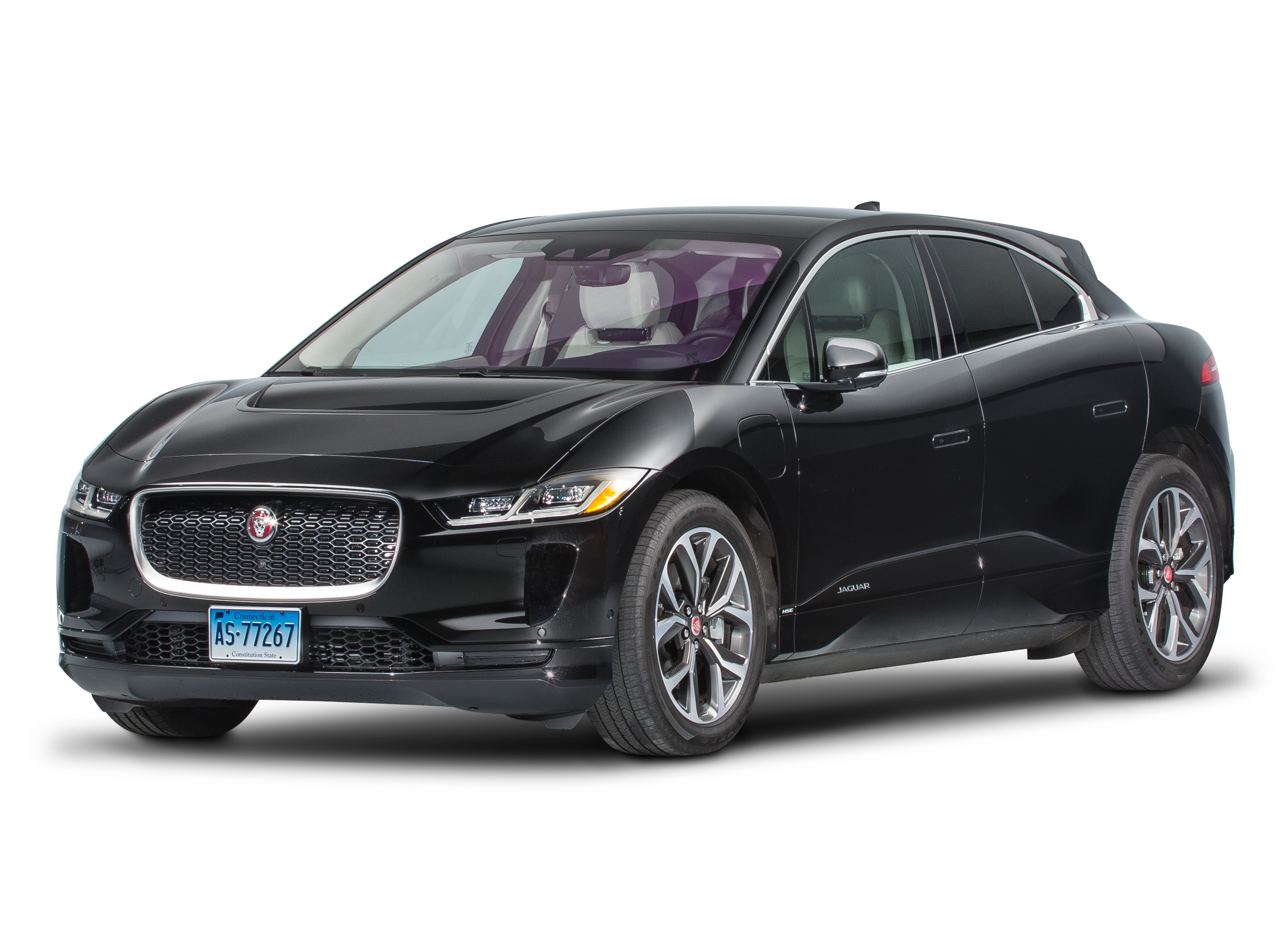
2024
Jaguar I-Pace
$31,125