
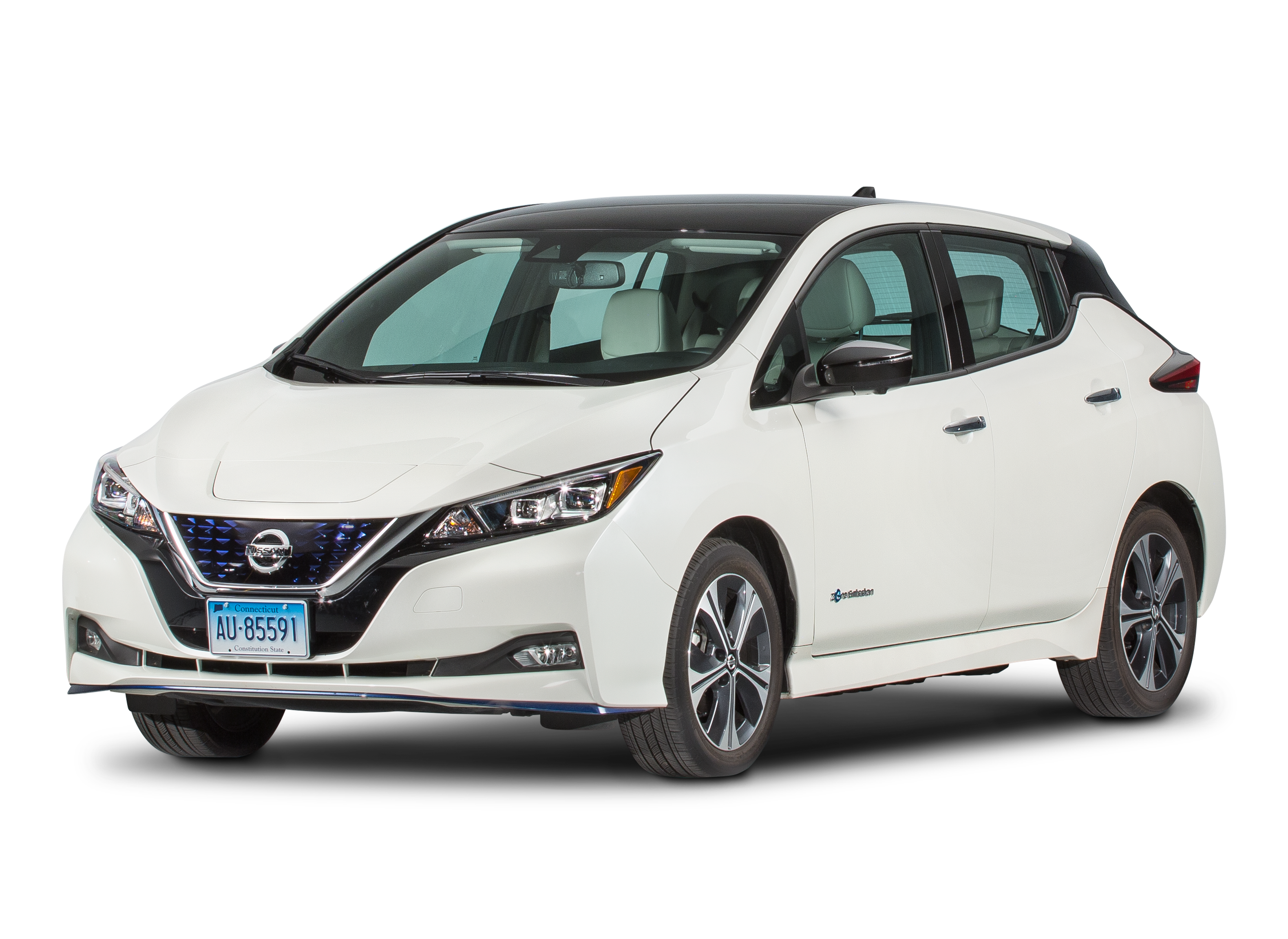
Review and specifications
2023 Nissan Leaf
The second generation Leaf electric car has a 40-kWh battery. We measured its driving range at 149 miles which is shorter than the Chevy Bolt's 250-mile range, but the Leaf is less expensive. The 2019 Leaf Plus, with a 62-kWh battery, has a rated range of 215 miles. It takes eight hours to charge it on a 240-volt connector. The E-Pedal feature decelerates the Leaf quite significantly when the driver eases off the accelerator, sending energy back to the battery. The Leaf accelerates decisively but the ride is stiff. Its handling is mundane but secure. The driving position can be uncomfortable for some drivers because the steering wheel doesn't telescope for reach. The optional ProPilot Assist can help keep the car in its lane and adjust its speed to keep track with surrounding traffic. 2018 brought standard forward collision warning with automatic emergency braking. For 2019, a rear passenger alert system is standard. This feature is designed to prevent forgetting a child in the rear seat. The 2020 model added standard automatic emergency braking with pedestrian detection, lane departure warning, blind spot warning, and automatic high beams. It also added standard Apple CarPlay and Android Auto compatibility. Updates for 2022 brought updated ProPilot Assist software. In 2023, the Leaf received mild exterior styling updates. There were no changes for the 2024 and 2025 model years.
- Market value
- $13,475
- Fuel
- Electric
- Transmission
- Automatic
- Seats
- 5
At a glance
Model data
Overview
- Powertrain
- Electric
- Body style
- 4-door hatchback
- Drive type
- FWD
- Transmission
- Direct, 1-speed
- Category
- Electric cars
- Generation began
- 2018
Pricing
- Current retail median
- $13,475
- Retail value range
- $12,475 - $14,475
- Original MSRP range
- $28,040 - $36,040
- Trade-in range
- $9,825 - $12,140
Ratings
- Road test score
- 59/100
- Owner satisfaction
- 3/5
- Would buy again
- 53%
- Reliability
- 3/5
Fuel economy
- EPA combined
- 109 MPG
- Cruising range
- 215 miles
Road tests
- 0-30 mph
- 3.2 sec
- 0-60 mph
- 7 sec
- 60-0 mph braking
- 139 ft
- Avoidance speed
- 52.5 mph
- Test status
- Test Completed
Dimensions
- Length
- 176 in
- Width
- 71 in
- Height
- 61 in
- Wheelbase
- 106 in
- Weight
- 3,850 lb
- Maximum load
- 860 lb
- Towing capacity
- 0 lb
Interior
- Seating
- 5 people
- Front head room
- 5.5 in
- Front leg room
- 41 in
- Rear head room
- 2 in
- Rear leg room
- 27 in
- Luggage
- 3+0+0
Owner feedback
- Comfort
- 3/5
- Driving
- 4/5
- Styling
- 3/5
- Value
- 3/5
Environmental impact
- Air pollution score
- 10/10
- Greenhouse gas score
- 10/10
- SmartWay
- Elite
Brand context
About Nissan
<p>Nissan's SUVs, pickup trucks, and EVs usually perform well in our road tests, but their Overall Scores can suffer because of up-and-down reliability and average to below-average owner satisfaction. Inconsistent quality across the brand means some Nissans are a better choice than others. Many of its gasoline vehicles use small turbocharged engines and continuously variable transmissions to give owners both competitive fuel economy and sporty performance. Most new Nissans come standard with a full suite of active safety and driver assist systems. Used Nissans typically have average reliability according to our surveys.</p>
Vehicle ID: 24504 First published: November 15, 2022 Updated: June 4, 2026
Values may vary by trim, options, location, and market conditions.
Keep comparing
Related vehicles
2024
Nissan Leaf
$16,413
2022
Nissan Leaf
$11,350
2025
Nissan Leaf
$18,450
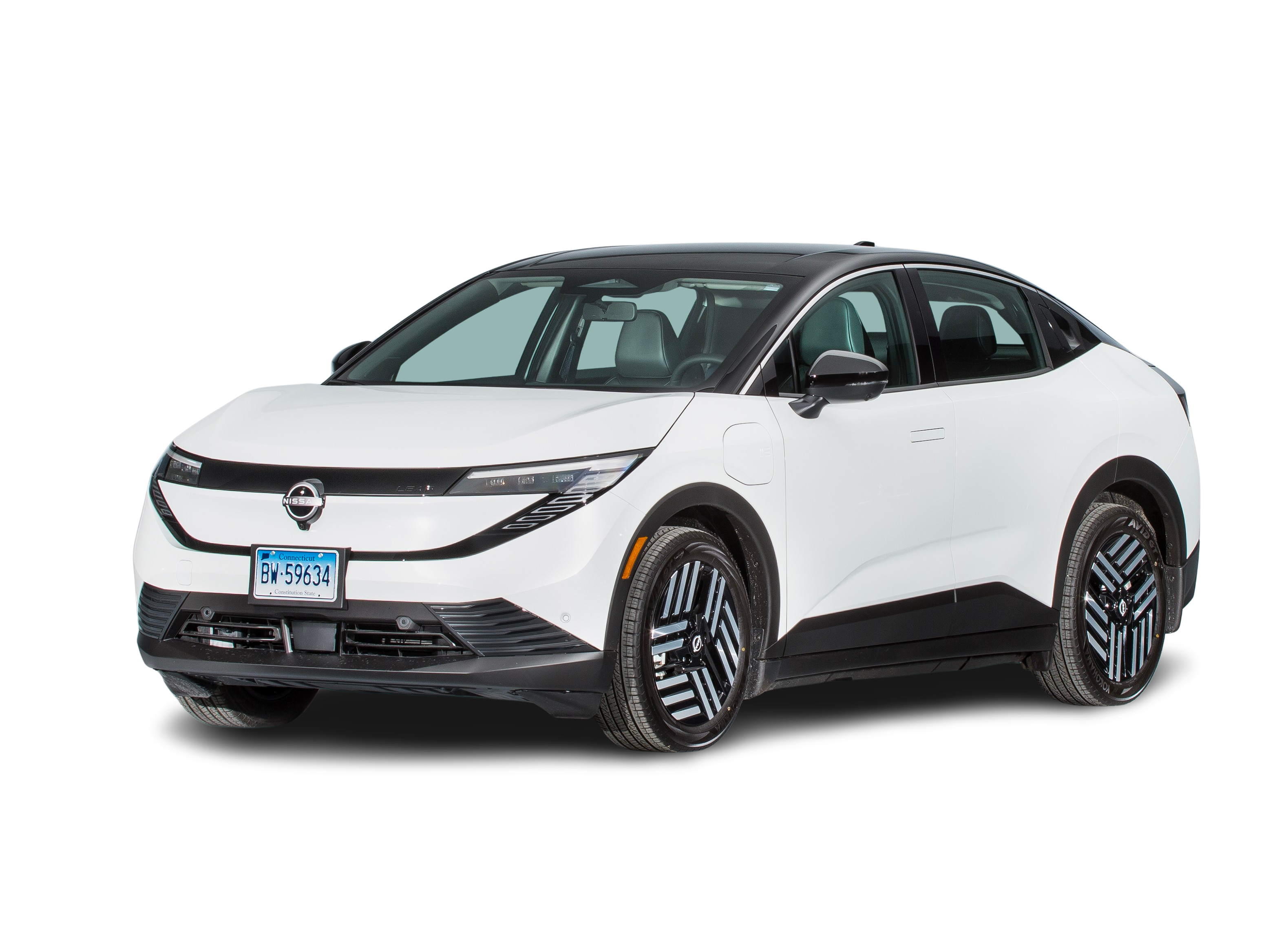
2026
Nissan Leaf
$22,875
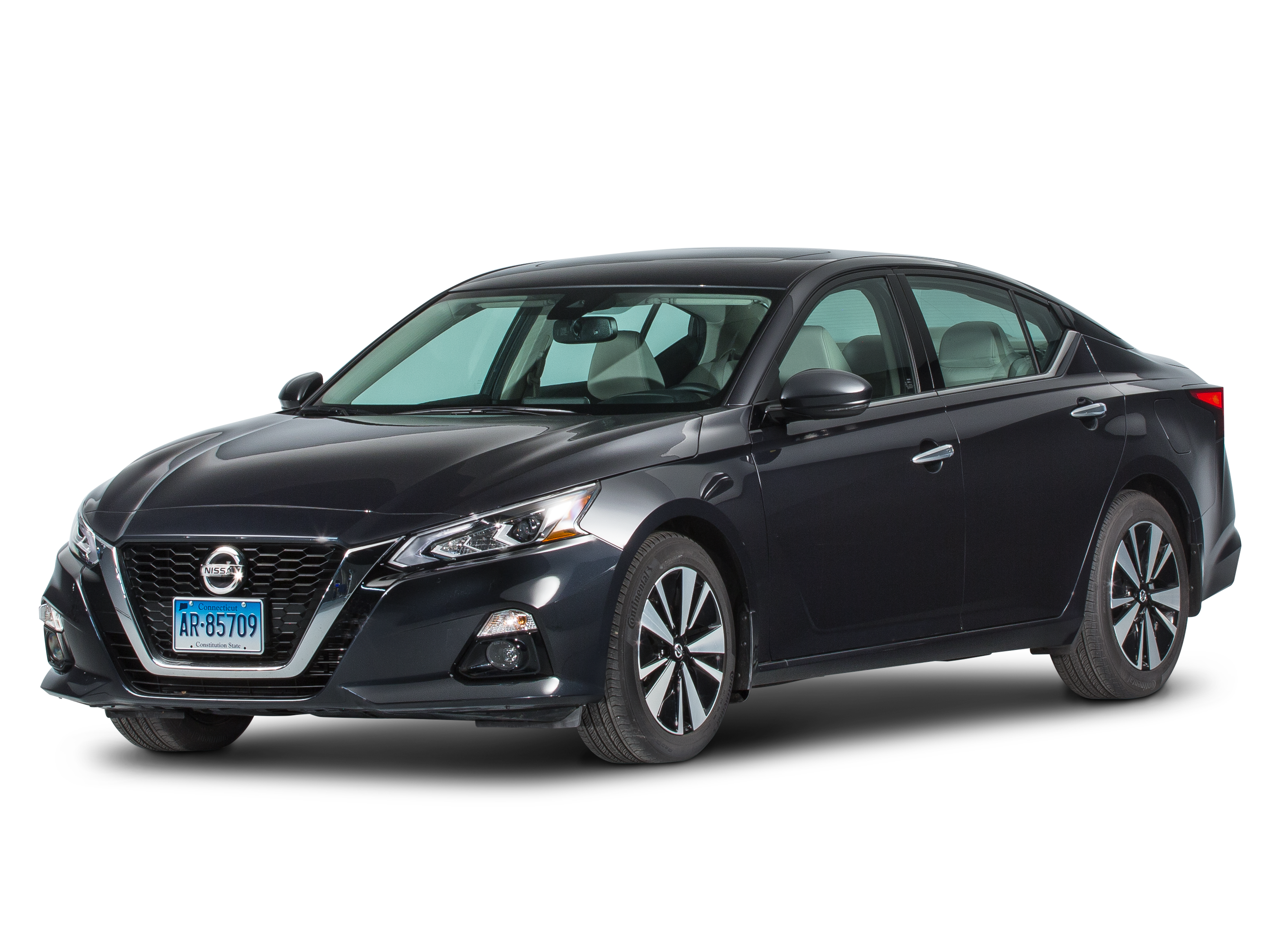
2023
Nissan Altima
$20,388
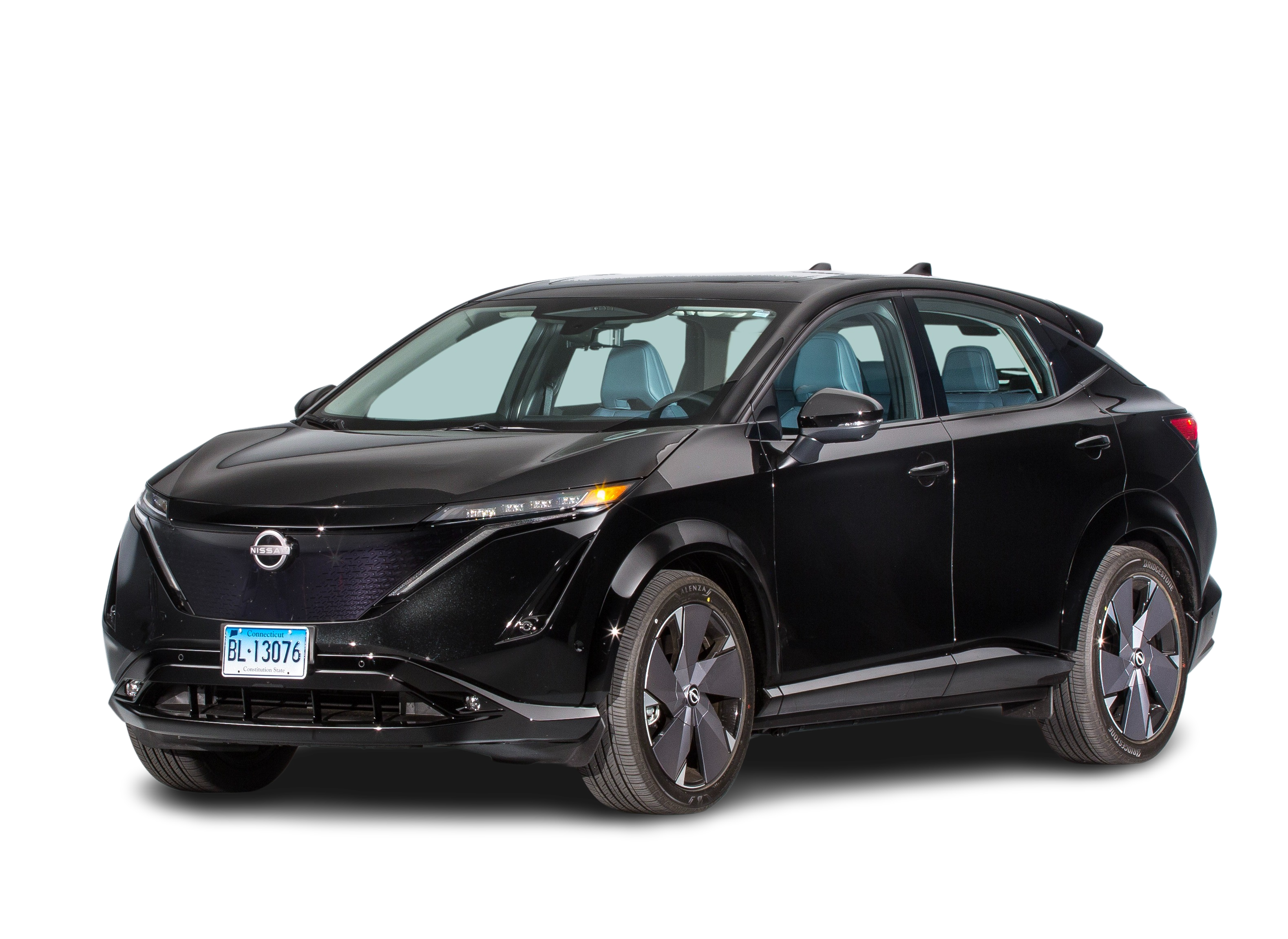
2023
Nissan Ariya
$19,275